En
En

Maha Shivratri 2026 Date
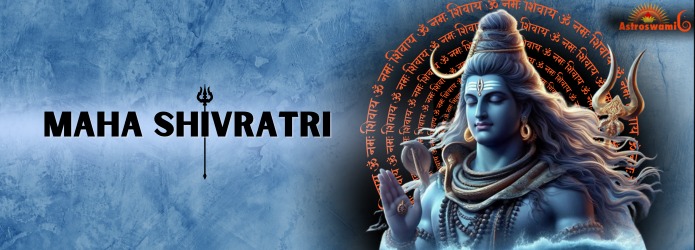
Maha Shivaratri 2026: Date, Puja Timings, Rituals & Spiritual Significance
Maha Shivratri is an important Hindu festival that is celebrated in honor of Lord Shiva, the great ascetic and slayer of evil. Devotees honor this day by observing a fast, meditating, chanting mantras, and participating in worship through the night. This occasion provides millions of devotees with a chance to enhance their spirituality, promote their self-awareness, and receive the blessings of the divine.
If you are wondering when is Shivratri in 2026, this detailed guide covers everything from the Maha Shivratri 2026 date, puja timings, vrat rules, rituals, mantras, and spiritual importance — in a clear and easy-to-understand way.
2026 maha shivaratri date and time (India)
The most awaited information for devotees is the Maha Shivratri 2026 date, which is calculated based on the Hindu lunar calendar.
Maha Shivaratri Date: Sunday, 15 February 2026
This Maha Shivratri 2026 date falls on Phalguna Krishna Paksha Chaturdashi, making it an extremely auspicious day for Lord Shiva worship.
Chaturdashi Tithi:
Tithi Begins: 15 February 2026 at 5:04 PM
Tithi Ends: 16 February 2026 at 5:34 PM
According to the 2026 Maha Shivaratri date and time, devotees should observe fast and perform puja during the night of 15 February.
Nishita Kaal Puja (Most Auspicious Time)
-
12:12 AM – 1:01 AM (16 Feb 2026)
Performing puja during this period on the Maha Shivratri 2026 date is believed to grant maximum spiritual benefits.
Prahar Puja Timings
-
First Prahar: 6:30 PM – 9:33 PM (15 Feb)
-
Second Prahar: 9:33 PM – 12:36 AM (16 Feb)
-
Third Prahar: 12:36 AM – 3:39 AM (16 Feb)
-
Fourth Prahar: 3:39 AM – 6:43 AM (16 Feb)
Devotees who worship Lord Shiva during all four prahars on the Maha Shivratri 2026 date are believed to receive divine protection and blessings.
Why Is Maha Shivaratri So Important?
Maha Shivaratri is not just a festival—it is a night of spiritual awakening. According to Hindu scriptures, this sacred night marks powerful cosmic events associated with Lord Shiva.
The Story of Neelkanth (Poison Episode)
During the Samudra Manthan, a deadly poison (Halahala) emerged from the ocean, threatening the existence of the universe. To protect creation, Lord Shiva drank the poison and held it in his throat, which turned blue—earning him the name Neelkanth.
Worshipping Shiva on the Maha Shivratri 2026 date helps devotees:
-
Good health
-
Protection from negativity
-
Long life and spiritual strength
Marriage of Lord Shiva and Goddess Parvati
Another sacred belief associates Maha Shivaratri with the divine union of Lord Shiva and Goddess Parvati. After Sati’s sacrifice and rebirth as Parvati, this night symbolizes love, devotion, and divine partnership.
This makes the Maha Shivratri 2026 date highly auspicious for:
Marriage
Relationship harmony
Spiritual Significance of Maha Shivaratri 2026
Benefits of worship on the Maha Shivratri 2026 date include:
Deep meditation and self-realisation
Awakening of inner consciousness
Removal of past karmic blocks
Spiritual growth and moksha
Powerful for removing past karmic blockages
Highly auspicious for spiritual growth and moksha
Astrologers believe that planetary energies are at their peak on this night, making it perfect for spiritual remedies.
Know how planets are influencing your life – Get your free Kundali by date of birth now.
Maha Shivratri 2026 Vrat Rules & Guidelines
Fasting on the Maha Shivratri 2026 date purifies the body and mind.
Types of Shivaratri Fast
1. Partial Fast (Phaladhar Vrat)
Devotees can consume items such as:
* Fruits (apples, bananas, pomegranates)
* Milk and milk products (curd, buttermilk)
* Coconut or mineral water
* Vrat-friendly foods (sabudana khichdi, kuttu ka paratha, singhare ka atta)
2. Nirjala Vrat
Complete fast without food or water until next morning.
Vrat Vidhi (Step-by-Step)
Morning (15 February 2026)
Wake up early
Take bath and wear clean clothes
Take sankalp for fast
Daytime
- Chant “Om Namah Shivaya”
- Read Shiva Purana or Chalisa
- Avoid negativity and anger
Night (Main Puja Time)
Perform puja during four prahars
Stay awake in meditation
Focus on devotion
Breaking the Fast (16 February)
-
Break fast after sunrise
-
Consume light food
-
Donate food if possible
Foods to Avoid During Shivaratri Vrat
❌ Rice and wheat
❌ Onion and garlic
❌ Regular salt (use rock salt/sendha namak)
❌ Non-vegetarian food
❌ Alcohol and tobacco
❌ Beans and lentils
Complete Mahashivratri Puja 2026 (Rudrabhishek Vidhi)
Performing puja at home on the Maha Shivratri 2026 date brings divine grace.
Puja Samagri
-
Shivling or Shiva image
-
Bilva leaves
-
Milk, honey, ghee, curd
-
Gangajal
-
White flowers
-
Incense, diya, camphor
Puja Steps
-
Clean puja area
-
Chant Ganesh mantra
-
Perform Panchamrit Abhishek
-
Offer Bilva leaves
-
Chant Shiva mantras
-
Perform aarti
Powerful Mantras for Maha Shivratri 2026
-
Om Namah Shivaya
-
Maha Mrityunjaya Mantra
-
Rudra Gayatri Mantra
-
Shiv Tandav Stotram
Chanting these on the Maha Shivratri 2026 date brings protection, peace, and spiritual upliftment.
Benefits of Observing Maha Shivratri
Spiritual Benefits
-
Removal of sins
-
Kundalini awakening
-
Path to moksha
Material Benefits
-
Career growth
-
Marriage blessings
-
Family harmony
Mental Benefits
-
Stress relief
-
Emotional balance
-
Mental clarity
Maha Shivaratri 2026 Celebrations Across India
Famous Shiva Temples for Shivaratri Darshan
-
Kashi Vishwanath Temple, Varanasi (Uttar Pradesh)
-
Somnath Temple, Gujarat
-
Mahakaleshwar Temple, Ujjain (Madhya Pradesh)
-
Kedarnath Temple, Uttarakhand
-
Sri Kalahasteeswara Temple, Andhra Pradesh
- Umananda Temple, Assam
- Lingaraj Temple, Bhubaneswar (Odisha)
- Bhutnath Temple, Mandi (Himachal Pradesh)
- Matangeshwar Temple, Khajuraho (Madhya Pradesh)
- Amarnath Cave, Jammu & Kashmir
These temples witness grand celebrations as per the maha shivaratri 2026 in India calendar.
Maha Shivaratri vs Masik Shivaratri: What's the Difference?
Masik Shivaratri occurs every month on the 14th day of the dark fortnight (Krishna Paksha Chaturdashi). Devotees who worship Shiva can observe monthly Shivaratri vrat.
Maha Shivaratri is the great Shivaratri that occurs once a year in the month of Phalguna (February-March). It is considered the most auspicious and powerful Shivaratri with maximum spiritual significance.
Health Benefits of Shivaratri Fasting (Scientific Perspective)
Modern science recognizes several health benefits of fasting:
1. Detoxification
Fasting allows the digestive system to rest and helps eliminate toxins from the body.
2. Improved Metabolism
Short-term fasting can boost metabolic rate and help with weight management.
3. Mental Clarity
Fasting has been linked to improved focus, concentration, and mental alertness.
4. Cellular Repair
During fasting, the body initiates autophagy—a process of cellular cleansing and repair.
5. Blood Sugar Regulation
Controlled fasting can improve insulin sensitivity and blood sugar levels.
6. Spiritual Awakening
Fasting combined with meditation enhances spiritual awareness and inner peace.
Important Note: Those with medical conditions, pregnant women, and children should consult a doctor before observing strict fasts.
Do's and Don'ts During Maha Shivaratri 2026
Do's
✓ Wake up early and take a purifying bath
✓ Wear clean, light-colored clothes (white preferred)
✓ Maintain celibacy and purity of thoughts
✓ Visit Shiva temple if possible
✓ Offer Bilva leaves, milk, and sacred water
✓ Chant "Om Namah Shivaya" throughout the day
✓ Stay awake during the night in meditation
✓ Help the needy and donate food
✓ Read Shiva Purana or spiritual texts
✓ Listen to Shiva bhajans and mantras
✓ Maintain positive attitude and kindness
Don'ts ✗
✗ Avoid onion, garlic, and non-vegetarian food
✗ Don't sleep during the night
✗ Avoid alcohol and intoxicants
✗ Don't use harsh words or get angry
✗ Avoid breaking the fast before the prescribed time
✗ Don't offer Tulsi leaves to Shivling (offer to Vishnu only)
✗ Avoid offering coconut water on Shivling
✗ Don't use broken or dried Bilva leaves
✗ Avoid worldly pleasures and entertainment
✗ Don't ignore hygiene and cleanliness
Shivaratri Puja at Home vs Temple: Which Is Better?
Both home puja and temple darshan have their own significance:
Temple Puja Benefits
Powerful collective energy
Expert pandits perform elaborate rituals
Sacred atmosphere enhances devotion
Darshan of ancient and powerful Shivlings
Community celebration and satsang
Home Puja Benefits:
Personal and intimate worship
Flexible timing according to convenience
Entire family can participate
No crowd or rush
Can maintain silence and deep meditation
Common Mistakes to Avoid During Shivaratri Puja
1. Using Tulsi leaves: Tulsi is sacred to Lord Vishnu, not Shiva. Always use Bilva leaves.
2. Offering coconut water on Shivling: While coconuts can be offered, avoid pouring coconut water directly.
3. Breaking the fast carelessly: Break your fast gradually with light food; avoid heavy meals immediately.
4. Sleeping during the night: The night vigil (jagran) is essential for maximum spiritual benefits.
5. Negative thoughts: Maintain purity of mind; avoid anger, jealousy, and negative emotions.
6. Ignoring cleanliness: Both physical and environmental cleanliness are crucial for puja.
7. Performing rituals mechanically: Do puja with devotion and understanding, not just as a ritual.
Those who wish to observe a special fast on Mondays can follow the simple rules of the Somvar Vrat (Monday fast). For the rules, what to eat and what not to eat, and the puja procedure, please refer to our monday fast guide.
Maha Shivaratri 2026 – Frequently Asked Questions
1. Why is Maha Shivaratri celebrated?
Maha Shivaratri celebrates the night when Lord Shiva performed the Tandava, married Goddess Parvati, and consumed the deadly Halahala poison to save the universe. It's a night of spiritual awakening and seeking divine blessings.
2. Can pregnant women observe Shivaratri fast?
Pregnant women can observe a fast by consuming fruits, milk, and light foods. However, it's recommended to consult a doctor before observing strict nirjala vrat during pregnancy.
3. Kya Shivaratri par sona chahiye?
No, sleeping on Shivaratri night is not recommended. Devotees should stay awake (jagran) throughout the night, engaging in meditation, chanting mantras, and worshipping Lord Shiva for maximum spiritual benefits.
4. Which mantra is most powerful for Shivaratri?
The Maha Mrityunjaya Mantra is considered the most powerful mantra for Shivaratri. Other important mantras include "Om Namah Shivaya" (Panchakshar Mantra) and Rudra Gayatri Mantra. Chanting these 108 times brings health, prosperity, and spiritual awakening.
5. Can we fast on Maha Shivaratri?
Yes, devotees observe a day-long fast, consuming fruits, milk, or water. Some observe a strict nirjala vrat for spiritual benefits.
6. Can we offer flowers to Shivling?
Yes, you can offer white flowers like Datura, Aak, and Jasmine to Shivling. However, avoid offering Tulsi leaves (sacred to Vishnu) and Ketaki flowers (cursed by Shiva).
7. Can I do Shivaratri puja without Shivling?
Yes, if you don't have a Shivling, you can worship Shiva's picture or even mentally visualize Lord Shiva during meditation. The devotion in your heart matters more than physical items.
8. Is Shivaratri good for marriage?
Yes, Maha Shivaratri is highly auspicious for marriage-related matters. Unmarried individuals worship Lord Shiva to get an ideal life partner like Goddess Parvati and Lord Shiva. Married couples pray for a strong and happy married life.
9. What should I wear on Shivaratri?
White or light-colored clothes are recommended as they represent purity. Avoid black, red, or dark colors. Both traditional and modern modest clothing is acceptable as long as it's clean and respectful.
10. How to make Panchamrit for Shivaratri?
Panchamrit Recipe: Mix equal parts of milk (1 cup), curd (½ cup), honey (2 tbsp), ghee (2 tbsp), and sugar or jaggery (2 tbsp). Mix well and use for abhishek. After puja, distribute as prasad.
Related Articles
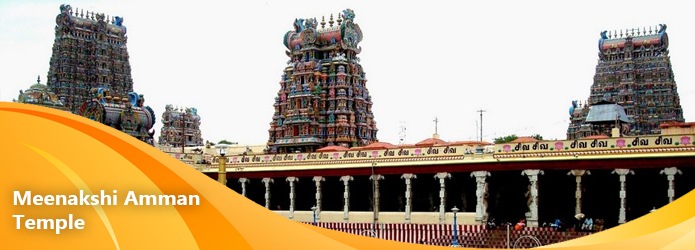
Meenakshi amman temple in Madurai, is one of the beautiful and oldest temple in India....
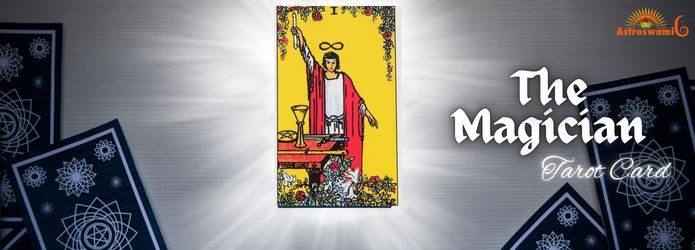
The Magician Tarot card, also known as "The Magus," is a powerful and complex symbol of mastery, manifestation, and transformation....
Rajkummar Rao, a name that has created a unique identity in Bollywood through his unique acting and diverse roles....

The mind is represented by moon, its placement, condition and afflictions in the birth chart. ...
Recently Added Articles

Will Mamata Banerjee win 2026 election? Explore data-backed astrology prediction, voter trends, and real insights on West Bengal election outcome....

Sukanta Majumdar kundli analysis reveals leadership traits, career growth & CM chances. What do planets say about his future? Check full insights now....
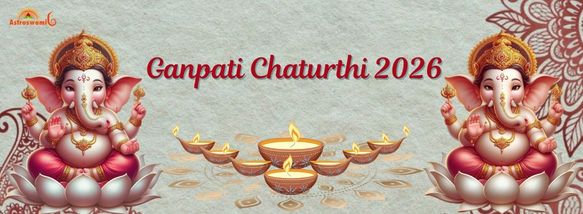
Ganesh Chaturthi 2026 falls on September 14. Check official puja muhurat, Visarjan date, rituals, mantras & astrology significance. Read now....
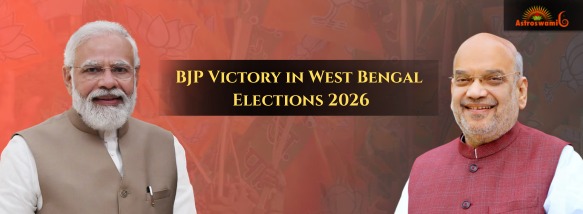
Astrological analysis of BJP’s historic win in West Bengal Election 2026. Explore planetary influences, results, and constituency trends....





.png)
.png)

Download Now



Quick Links
HOROSCOPE
Safe & Secured Payment



Legal
Customer Support
Head office:Call Us On:
WhatsApp On:
 9958787570
If you have face any problem at our Website related to payments Or any other issues then take screenshot and send it on our WhatsApp number mentioned above.
Monday To Sunday | 24/7Get Free Quote!
Submit details and our representative will get back to you shortly.