Sawan Somwar 2026 is one of the most sacred periods for Lord Shiva devotees. The holy Shravan month is fully dedicated to Shiva worship, fasting, Rudrabhishek, and spiritual practices. According to the Hindu calendar, Sawan month 2026 start date in North India is 30 July 2026 (Thursday) and it will end on 28 August 2026 (Friday). During this period, devotees observe Sawan Somvar fast every Monday to seek blessings for marriage, health, career growth, peace, and family happiness.
During this sacred period, Shiva temples across India witness early morning prayers, Rudrabhishek rituals, and Somwar fasting observed with deep devotion. The month is especially important for devotees seeking spiritual discipline, mental peace, and blessings from Lord Shiva.
Shravan month dates differ slightly across regions because North India follows the Purnimanta calendar while many western and southern states follow the Amanta calendar.
|
Event |
Date |
|
Sawan Month 2026 Start Date |
30 July 2026 (Thursday) |
|
Sawan End Date 2026 |
28 August 2026 (Friday) |
The Mondays of Shravan are known as Sawan Somwar, and these days carry special meaning for Shiva worship. Devotees often visit temples early in the morning, offer water on the Shivling, and keep a fast with devotion
|
Sawan Somwar |
Date |
Day |
|
First Somwar of Sawan 2026 |
3 August 2026 |
Monday |
|
Second Sawan Somwar 2026 |
10 August 2026 |
Monday |
|
Third Sawan Somwar 2026 |
17 August 2026 |
Monday |
|
Fourth Sawan Somwar 2026 |
24 August 2026 |
Monday |
Many unmarried women keep Sawan Somvar Vrat for a suitable life partner, while married women observe the fast for family happiness and long married life.
Shravan month has a strong place in Hindu belief because it is linked with Lord Shiva’s act of saving the universe during the Samudra Manthan story. In Shiva worship traditions that Shiva drank poison to protect the world, and because of that divine sacrifice, this month became highly respected for worship and penance.
That is why devotees offer:
on Shivling during Shravan month.
The entire month is considered spiritually powerful for:
According to Shiva worship traditions, Shravan month is considered highly auspicious for prayer, mantra chanting, and devotional discipline. .
Once upon a time, there was a prosperous city where a wealthy man lived. He had wealth, fame, respect, and every comfort, yet his life had one great sorrow — he had no child. This absence always troubled him and his wife.
Both husband and wife were devoted followers of Lord Shiva. With a strong desire for a child, they began observing fasts every Monday and worshipped Bholenath with complete faith. Seeing their sincere devotion and unshakable belief, Goddess Parvati was deeply moved. She prayed to Lord Shiva to bless the couple with a child. Lord Shiva accepted their wish, and soon a son was born in their home.
But at the very moment of his birth, a divine voice declared that the child would have a short life and would live only for twelve years. Hearing this, the parents’ joy turned bittersweet. They were happy to receive a son, but worried about his fate. Still, they named him Amar, as if to challenge destiny itself.
As time passed, Amar grew up. When he became old enough for education, his father decided to send him to Kashi. His maternal uncle accompanied him to ensure safe travel. Amar set out for Kashi with his uncle. On the way, wherever they stopped, they gave alms to Brahmins and continued their journey with a devotional spirit.
After traveling for some time, they reached a city where the wedding of a princess was taking place. At that moment, a problem arose. The groom chosen for the princess was blind in one eye, but his family had hidden this fact from the royal household. They feared that if the truth came out, the marriage would be canceled and their reputation would be damaged.
In this difficult situation, the groom’s family requested Amar to act as the false groom for some time. Amar was so simple-hearted that he could not refuse their request. Thus, under these circumstances, he was married to the princess. However, Amar had a pure heart and did not want to deceive her.
So, showing both intelligence and honesty, he wrote the complete truth on the princess’s veil. When the princess read the message, she learned the full reality. She understood Amar’s honesty and immediately accepted him as her true husband. She asked him to go to Kashi, complete his education, and return, and she promised to wait for him.
After that, Amar and his uncle continued their journey to Kashi. Meanwhile, Amar remained deeply devoted to religion, service, and prayer. He regularly worshipped, offered water and bel leaves to the Shivling, and lived his life with deep faith.
When Amar turned exactly twelve, he was offering bel leaves to Lord Shiva in a temple. At that very moment, Yamaraj arrived to take his life. But Lord Shiva, already pleased with Amar’s true devotion, had granted him a long life. As a result, Yamaraj had to return without taking his soul.
Later, Amar completed his education in Kashi and returned home with his wife. His devotion, truthfulness, patience, and Lord Shiva’s grace gave his life a new path.
People observing Sawan Somvar fast should maintain discipline and devotion throughout the day.
Devotees usually wake up before sunrise and wear clean clothes before Shiva puja.
During Shravan month, devotees avoid:
Offering Gangajal or clean water on Shivling is considered highly auspicious during Sawan.
Commonly chanted mantras include:
The vrat is not only about food restriction but also about controlling anger, ego, and negative thoughts.
You can perform Shiva puja either at home or in a Shiva temple.
In Shiva worship traditions, Rudrabhishek is also performed during Shravan month.
Monday is dedicated to Lord Shiva. That is why every Monday of Shravan month becomes spiritually powerful.
Traditionally Sawan Somwar fasting helps in:
Because of this, Shiva temples witness huge crowds during Shravan month.
Shravan month dates can vary across different regions of India because Hindu calendars are followed differently in North and South India.
In western and southern states, Shravan may begin and end on different dates because the Amanta calendar is followed. This is the reason people searching for Shravan Month 2026 Dates should always check the calendar according to their region.
Apart from Sawan monday, several important festivals fall during Shravan month.
|
Festival |
Expected Date |
|
Shravan Amavasya 2026 |
August 2026 |
|
Sawan Shivratri 2026 |
August 2026 |
|
Shravan Purnima 2026 |
August 2026 |
(Exact timings may vary according to location and Panchang.)
In Hindu tradition, the Sawan Somvar fast is not viewed only as a ritual based on food restrictions. The vrat is associated with discipline, simplicity, and devotional focus toward Lord Shiva.
Regular Monday fasting during Shravan month is traditionally connected with:
Many Shiva devotees also observe this vrat as a form of self-control and inner purification during the holy month.
Maintaining purity and discipline is considered important during Sawan month.
Sawan month 2026 will begin on 30 July 2026 in many North Indian states.
The first Sawan Somwar 2026 falls on 3 August 2026.
There are four Sawan monday vrat dates in Shravan month 2026 for North India.
The month is dedicated to Lord Shiva and considered highly auspicious for fasting, prayer, and spiritual practices.
Yes, many unmarried women observe this fast for a desired life partner.
“Om Namah Shivaya” is the most commonly chanted Shiva mantra during Shravan holidays .
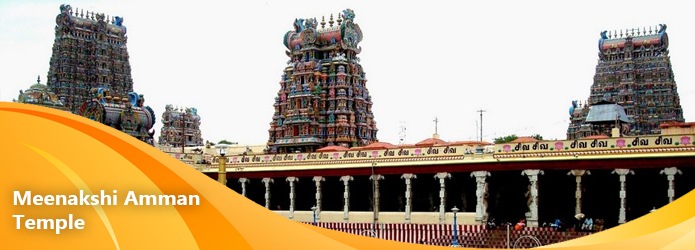
Meenakshi amman temple in Madurai, is one of the beautiful and oldest temple in India....

The Magician Tarot card, also known as "The Magus," is a powerful and complex symbol of mastery, manifestation, and transformation....

Rajkummar Rao, a name that has created a unique identity in Bollywood through his unique acting and diverse roles....

The mind is represented by moon, its placement, condition and afflictions in the birth chart. ...
Download Now





 99587 87570
99587 87570
99587 87570
If you have face any problem at our Website related to payments Or any other issues then take screenshot and send it on our WhatsApp number mentioned above.
Monday To Sunday | 24/7Submit details and our representative will get back to you shortly.
 0124-3659395
 99587 87570
 En
En




.png)
.png)