
Cancer Sign (June 21 – July 22)

Cancer Symbol – The Crab

Cancer Element – Water

Ruler Planet – Moon

Cancer Birthstones – Moonstone

Sanskrit Name – Karka

Compatible Zodiac Signs – Scorpio, Pisces, Cancer

Cancer Sign – Personality Traits

The Cancer Zodiac has water as an element, and natives to this zodiac are greatly impacted by the Moon. Coldness, honesty, being sensitive, emotions are in their nature. Their appearances are often simple but still, they are often very charming.

Cancerian can socialize easily, they are fond of art and passionate about creative work, and fan of a good piece of art or music. Cancerian are deep thinkers, good observers and focused, and tender. They always tend to keep their social stature clean and are always looking forward to intensifying their image socially. The white and yellow colours are considered auspicious for the people of this zodiac.

Cancers are highly instinctive, and their psychic abilities, are able to help them effortlessly pick up the energies between good or bad.

Let’s understand how the position of the planets and constellations would affect natives of Cancer zodiac and what would be the position of different planets and constellations.

Since the day we take birth, our zodiac signs are designated based on the date, time and the place of our birth, and it stays the same throughout their lives In the world of astrology and horoscope, there are different constellations, Nakshatras, which gives their natives auspicious and inauspicious results, based on the positions of different planets and their transitions.

Cancer is given the fourth position in the zodiac and the constellation. It is an inhabited background in the north direction. This amount starts at 91 degrees and takes 120 degrees inside it. The size of Cancer is considered like a crab. It is a variable, cognate and gentle nature, and is considered to be the water element. Moon is the lord of Cancer and its colour is blood white. The place of Cancer is said to be the heartland in the body of the Kaalpurush. The habitations of this zodiac are considered as Bavdi, Pokhara, Tal, all places adjacent to water. Cancer is feminine and gentle.

Cancer Zodiac (Kark Rashi) is placed at fourth within the zodiacal and constellation system. It is a Parstoday Rash‍i (zodiac) which resides in the northern direction. This zodiac begins from ninety-one degrees (91°) and is within one twenty degrees (120°). The shape of the cancer zodiac as mentioned above is like a crab. This zodiac is a motile zodiac, having Cognitive and gentle nature. The lord of the cancer zodiac is the moon and has blood white character (shveet rakth varna).

The cancer zodiac (Kark Rashi) is placed at the heart in the body of the Kaalpurush. The habitat of this zodiac is considered to be as Bavdi, Pokhara, Taal, all these places are correlated with the water, and this zodiac is considered feminine and gentle.

Cancer  Zodiac Sign – Hora, Dreshkana, Saptamaansh

Similar to the other this zodiac also has two Horas. The first hora is of fifteen degrees (15°) and the second hora is of fifteen degrees (15°), which cumulatively completes the thirty degrees (30°) circle. And similarly, there are in total three Draeshkaan, one Draeshkaan is often degrees (10°), which makes a thirty degrees (30°) of the complete zodiac.

The lord of the first Draeshkaan of this zodiac is the moon and the second is Mars, the lord of the third Draeshkaan is Jupiter.

Cancer zodiac has seven Saptamaansh. The lord of the first and the second Saptamaansh is Saturn, Jupiter of the third, Mars of the fourth, Venus of the fifth, Mercury of the sixth, Moon of the seventh.

Cancer  Zodiac Sign – Navamaansh, Dashmansh, Dwadshansh

There are 9 Navamaansh, one Navamaansh is of three degrees (3°) and twenty degrees (20°) respectively. The lord of the first Navamaansh is is Moon, Sun of the second, Mercury of the third, Venus of the fourth, Mars of the fifth, Jupiter of the sixth, Saturn of the seventh and eighth respectively, Jupiter of the ninth.

There are 10 Dashamaansh of Cancer zodiac, and each of these Dashamaansh has three degrees each (3°). Jupiter, the lord of the first tithe, Mars, the lord of the second Dashamaansh, Venus of the third, Mercury of the fourth, Moon of the fifth, Sun of the sixth, Mercury of the seventh, Venus of the ninth, Mars of the ninth, Lord of the tenth is called Jupiter.

There are 12 Dwadshansh in this zodiac, in which each Dwadshansh is considered to be of 2 degrees (2°) and thirty degrees respectively (30°). The lord of the first Dwadshansh is Chandra, the second Sun, Mercury of the third, Venus of the fourth, Mars of the fifth, Jupiter of the sixth, Shani of the eighth, Shani of the ninth, Jupiter of the ninth and Mars the lord of the tenth. The lord of the eleventh is Venus and the lord of the twelfth is Mercury.

Cancer  Zodiac Sign – Shodashaansh, Tr‍ishaansh, Nakshatra

Now let’s talk about the Shodashaansh of cancer zodiac (Kark Rashi). When we talk about the cancer zodiac, there are 16 Shodashaansh in this zodiac, wherein one Shodashaansh is one degree (1°) and 52 Kala and 30 Vikalas.

The lord of the first Shodashaansh is Mars, the second is Saturn, Mercury of the third, Moon of the fourth, Sun of the fifth, Mercury of the sixth, Venus of the seventh, Mars of the eighth, Jupiter of the ninth, Lord of the tenth, Lord of the eleventh. Jupiter of the twelfth, Mars of the thirteenth, Venus of the fourteenth, Mercury of the fifteenth and Moon of the sixteenth Shodashaansh.

Cancer has 5 Trishaansh, the first Trishaansh is for five degrees (5°) and its lord is Venus. The second is seven degrees (7°) and the planet lord is Mercury, the third Trishaansh is eight degrees and the planet lord is Jupiter, the fourth Trishaansh is of five degrees and its lord is Saturn, the fifth Trishaansh is five degrees (5°) and its planet lord is Mars.

In the same sequence, next is Shashtyans there are 60 Shashtyans of Cancer. One Shashtyans is 30 Kala i.e. half a degree. The lords of each Shashtyans are as follows:

The lord of the first Sudhasayo is Indurekha, second is brahman, third is Sudhasayo, fourth is Atishit, the fifth is Ashubh, sixth is Subh, seventh is Nirmal, 8th is Dandayut, 9th is Kalagni, the lord of the 10th Sudhasayo is Praveen.

  • The lord of the 11th Sudhasayo is Indumukh,
  • 12th is Darshan,
  • 13th is Sushant,
  • 14th is Mridu,
  • 15th is Saumy,
  • 16th is Kaalaroop,
  • 17th is Utpaat,
  • 18th is Vanschhaya,
  • 19th is Mukhiya,
  • 20th lord is Kulnash

From 12th Sasthyamsa to 20th Sasthyamsa are as follows:

  • 21st lord is Vishwagadha
  • 22nd is Purnachandra
  • 23rd is Amrit
  • 24th is Sudha
  • 25th is Kantak
  • 26th is Adham
  • 27th is Ghor
  • 28th is Davagni
  • 29th is Kaal
  • 30th is Death

From 31st Sasthyamsa to 40th Sasthyamsa are as follows:

  • 31st is Mandatmaj,
  • 32nd is Malkar,
  • 33rd is Kshitij,
  • 34th is Kalinash,
  • 35th is Ardha,
  • 36th is Dev,
  • 37th is Digambara,
  • 38th is Vanish,
  • 39th is Vishnu,
  • 40th is Pad

From 41st Sasthyamsa to 50th Sasthyamsa are as follows:

  • 41st is Komal,
  • 42nd is Mirdu,
  • 43rd is Chandra,
  • 44th is Amrit,
  • 45th is Sarp,
  • 46th is Kala,
  • 47th is Indra,
  • 48th is Varuna,
  • 49th is Yama,
  • 50th is Maya

From 51st Sasthyamsa to 60th Sasthyamsa are as follows:

  • 51st lord is Agni,
  • 52nd is Garral,
  • 53rd is Kulaghan,
  • 54th is Bhrasht,
  • 55th is Kinnar,
  • 56th is Yaksha,
  • 57th is Kubera,
  • 58th is Dev,
  • 59th is Rakshasa,
  • 60th is Ghor

Based on their names and their characteristics these sixty According to the name, all these Sudhasayo gives auspicious or inauspicious results to the natives of Cancer zodiac.

When we talk about the Cancer Zodiac, there are in total 108 Nakshatras, with 9 phases within 27 constellations from Punavasu to Alesha, in which the last fourth phase of Punavasu constellation is the Varn Akshar. Punarvasu is 4, Pushya 1 Hu, 2 O, 3 Ho, 4 Da, Aashlesha 1 D, 2 Do, 3 Day, 4 Doe. All these phases are of 9 stages, with 3.20° The lord of different stages is different from the moon. Like Gemini and Taurus, Cancer is also strong zodiac at night, hence people of this zodiac are more powerful at night.
Kumbh Mela

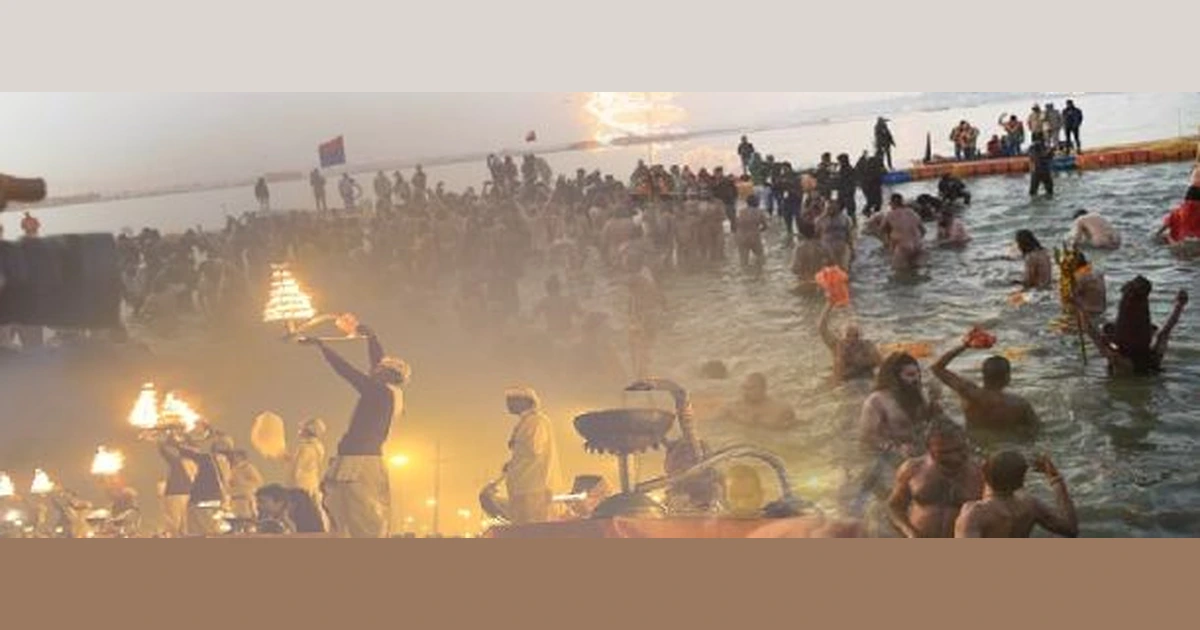
We know that faith and religion have the power to shape our lives in a way that nothing can. Devotees visit the famous Kumbh Mela, by the thousands to seek this very spirituality and faith that can take us close to salvation and free us from the earthly cycle of karma. By enduring hardship, penance, meditation and prayer, the Kumbh represents a space where millions converge to gain their freedom from suffering and pain. The Kumb finds mention in the ancient history of India and the sacred religious texts. 

Kumbh Mela is predominantly a Hindu fair or pilgrimage, but people from different religions from the country and world gather to bathe in the sacred rivers. The largest religious gathering, Kumbh Mela 2019 will be celebrated at Prayagraj or Prayag from January 14th, 2019 to March 4th, 2019. Below is the table mentioning the important dates of Kumbh Mela.

Makar Sankranti (1st Shani bath) 14/15 January 2019;

 Paush Purnima 21 January 2019 

Mauni Amavasya (Second Shani Bath) 04 February  

Basant Panchami( Third Shani bath) 10 Feb 2019

Maghi Poornima 19 Feb 2019

Maha Shivratri 04 Mar 2019

According to legend, there was a terrible war between gods and demons to attain the nectar of youth. Drops of the elixir fell at four places, making them pure and powerful Prayag, Haridwar, Nasik and Ujjain. To gain the benefits of these spiritual powers, Kumbh Mela or fair is celebrated in each of the four places.

The Kumbh Mela is celebrated once in 3 years, Half Kumbh Mela, once in six years at Haridwar and Prayag, Full Kumbh Mela once in twelve years. The biggest fair or the Maha Kumbh happens at Prayag in Allahabad once in144 years. Out of these four places, where the fair will be held depends on the position in the zodiacs of Sun, Moon, and Jupiter(Shani) during the period. 

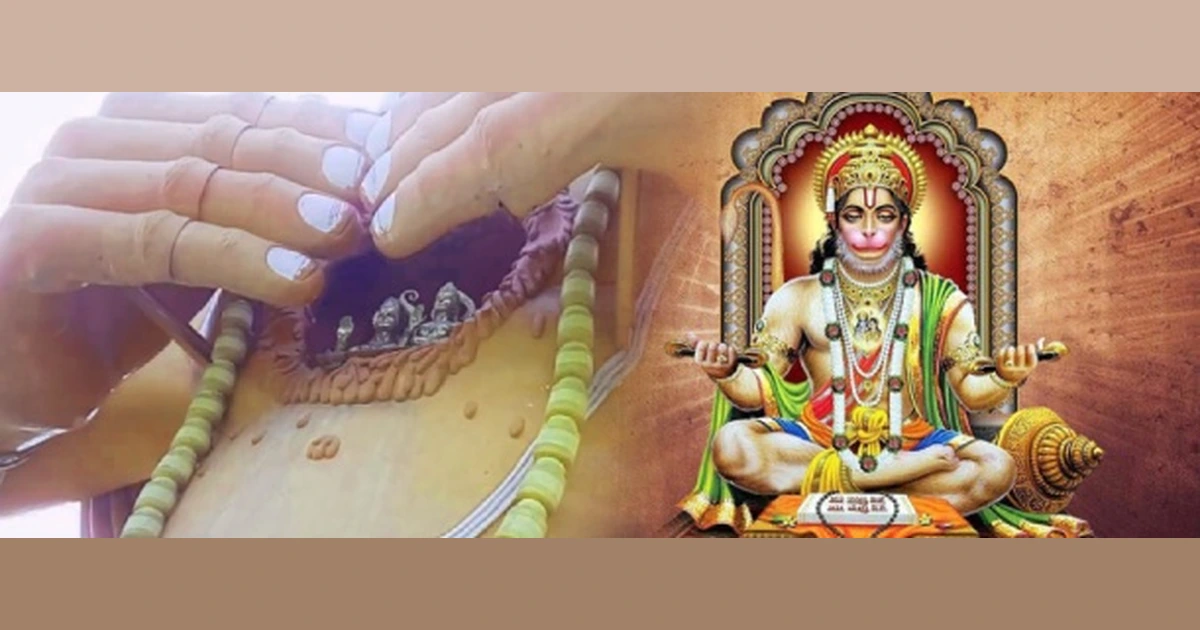
Jakhu ji Hanuman Mandir

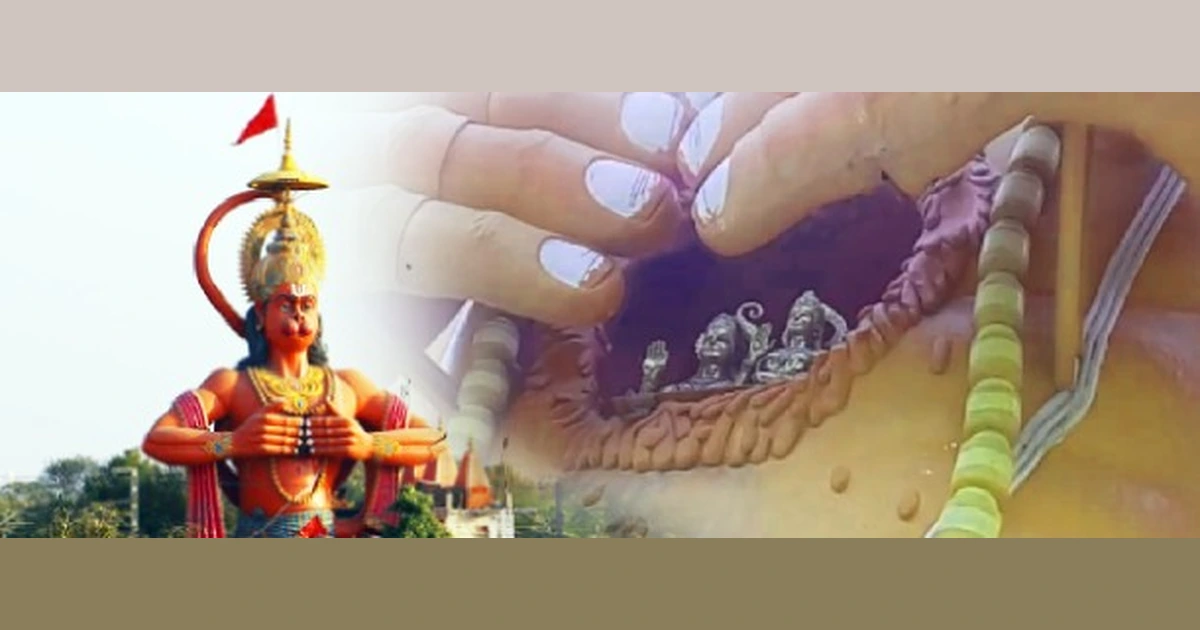
All of us must have heard of Jakhu ji Mandir but if someone doesn’t know about it let us know you that this temple is in Shimla and it is believed that Lord Hanuman resides there. The temple is 108 feet tall which is almost 21 times the height of a normal person. One of the most popular temples of Shimla, it is surprising that it is not an ancient temple and it was built in 2010 only.It is said that the whole Shimla is visible from the peak of this temple. Jakhu Temple is situated in the mountains of Jakhu which is 8048 meters above the sea level. One can see beautiful nature and snowy mountains from here. As per the Hindu mythology when Lord Ram and Ravana were fighting and Meghanad injured Lakshmana with his arrow. Then his cure wasn’t available anywhere except the Sanjeevni Herbs which were only found in Himalays. Lord Hanumanaji then promised Rama to bring the herb for him. And then Hanuman went on to get the herbs and meet a saint named “Yaku” in one of the hills. It’s said that Hanuman couldn’t fly properly and landed on the Yaku hill which caused the land to slide a bit after which it was named “Jakhu” instead of “Yakhu”.And after that Hanuman collected the Sanjeevni herb which saved the life of Lakshman. According to beliefs if u pay visit to the Hanuman in jakhu temple then you will get rid of your problems and will achieve success, happiness and peace. Because of this large number of devotees gather here to visit Lord Hanuman and offer their prayers. The feet of Lord Hanuman is made of marbles in this temple. According to some myths Lord Hanuman himself resides in this temple and some devotees have felt his presence and witnessed him there. However there is no proof of this and it’s debatable whether it’s true or not.

Pataleshwar Temple

In this miraculous temple, Lord Shiva is offered broom instead of sweets, milk and holy water. You will be shocked to know the reason behind it. Definitely after reading the headline of this article, one must be wondering if it is a joke or some mistake, so for clarification no, it’s not.

For your information, there’s indeed a temple where Lord Rama is offered brooms as a special offering, unlike other temples where sweets and milk are offered. Here the devotees present Lord Shiva brooms instead of sweets, coconuts and flowers. This temple is popularly known as Pataleshwar temple and it is situated at a small village on Agra highway near Muradabad city.

There is a large idol of Lord Shiva where the devotees offer him brooms. It is said that people gather from all over the country to visit the Lord to gain his blessings and to get rid of any sort of skin disease. Every Monday a large number of devotees gather here to visit their Lord. According to mythology if the devotee visits this 150-year-old temple and offers the broom at the Shivaling which is at the centre of the temple then Shivji heals their skin problems and blesses them with health, wealth and peace.

This ritual is being performed since decades and the devotees feel that there are some holy vibes around the temple which help them get cured of their disease. According to myths, once there lived a man in the nearby village whose name was Bhikari Das. He was a trader and was the richest man in the whole village but unfortunately, he was suffering from skin diseases and no doctor could help him.

While visiting the doctor, once he saw an Ashram and visited it to get some water as he was thirsty. But when he entered the ashram, the saint there touched him with the broom and miraculously all his skin disease and pain disappeared. The surprised Bhikhari asked the saint the mystery around it and the saint told him that he is a true devotee of Lord Shiva and due to his blessings only his disease got cured. In return, the trader offered the saint gold coins but he denied 

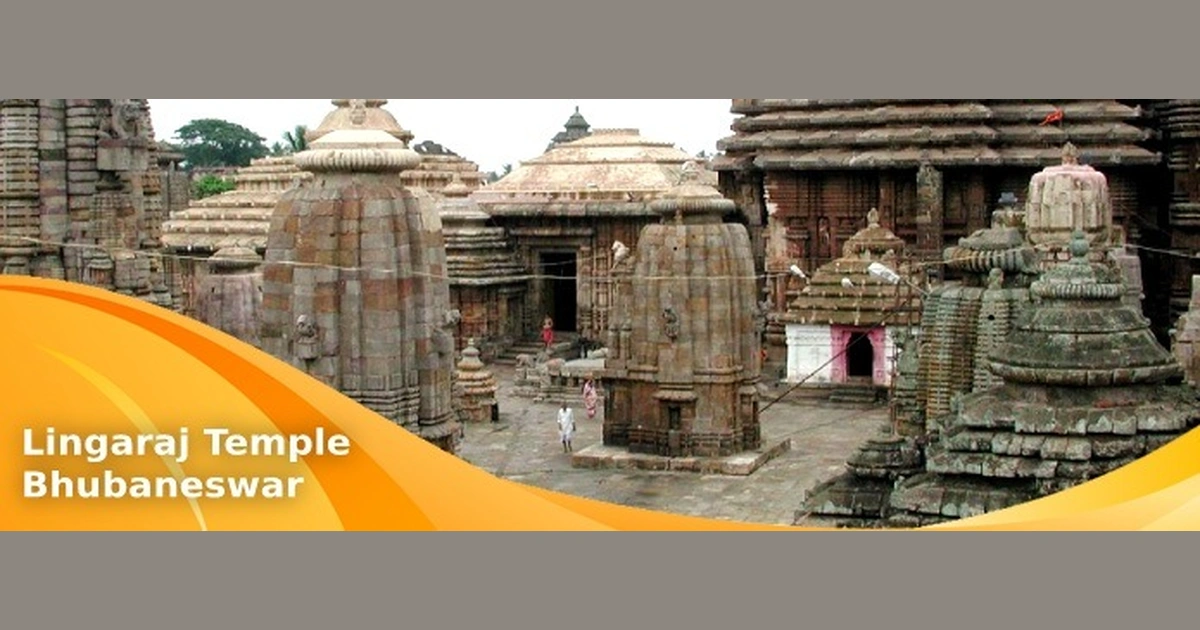
Lingaraj Temple Bhubaneswar – Noentry for non – Hindus

There is no dearth of temples, mosques, and gurus in India. Because culture and civilization have been at the top and will always be there. The reason behind this is that we are the hands of the elderly behind the Indians. Those who teach us to preserve our civilization by giving rites. In the new era of technology, we must never forget our God. Its example is good in India. This is the reason that people are always making faith in the temples. Today we are telling you about the largest temple that is spread in about 150 meters and the peak of the temple is 180 feet high. Actually, this temple is in the famous Bhubaneswar city, named as Lingaraj Temple. As it is the capital of the state of Orissa. Where devotees keep on straining. Lingaraj Temple Bhubaneswar is the source of most faith and prestige for devotees.

Prohibition of entry of non-Hindus in Lingaraj Temple

Actually, Lingaraj temple has been given the special status of Hindu temple so only people of Hinduism can enter the temple. Non-Hindus are not allowed to enter the temple. To see the composition and beauty of this temple, non-Hindus come here and hence, a platform has been built in front of the temple for them. People from other religions can see the temple.

The history of the Lingaraj temple

It is said that this temple is also included in 6th Century articles. By the way, this temple is very old but its present form is considered in the 11th century. Meanwhile, Somvanshi King Jajati constructed the temple.

Near the temple, there is the dot-Sagar lake. In which the water of every waterfall and ponds of India is gathered. The devotee who comes here and takes a bath in this pond. He definitely finds salvation from sins. A story behind the lake is also hidden. It is said that the goddess Pworshippedarvati had slaughtered two fierce monsters name Sagard LT and FAS at this place. After the war, the mother felt terrible thirst and for which to quench Lord Shiva called for the contribution of all the holy rivers and the lake was built. Thus, Mother Parvati quenched her thirst with the water of Mother Sarovar.

Let us tell you that in this temple, the miraculous statue of Lord Bhubaneswar is worshipped. Visitors come from far and wide to see this miraculous idol and complete their desire. Shri Bhuvaneshwar is the incarnation of Lord Shiva. In this temple, people come from distant places to see the miraculous statue of Bhubaneswar. Tourist who visits Odisha must visit this temple to witness the divine presence of almighty.

Here, the celebration of Shivratri is celebrated with great enthusiasm. Let us tell you that there are three small temples in the courtyard of the temple which are idols of Lord Ganesha, Kartikeya, and Mata Gori. That is, Lord Shiva lives here with the whole family. That is why it is said that whoever wants to fulfil the wishes of his mind must go to Lord Shri Bhubaneswar’s temple.

Akshardham Temple Delhi

You will know about the glory of Delhi. Delhi is famous not only in India but also in old places and heritage sites, but also in pilgrim centres around the world. If you have heard about Akshardham temple in Delhi, why not take complete information about it, so that this time you can plan to go to Akshardham during summer holidays. Surely you will like it. So here you go, start preparations.

Akshardham Temple History

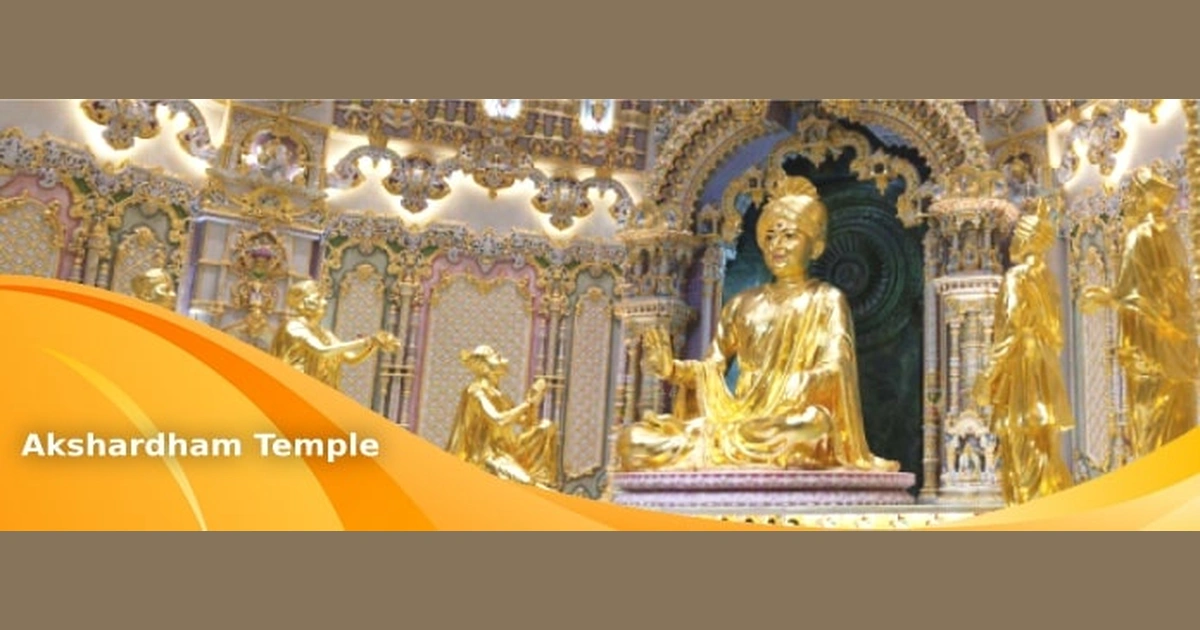
Although Akshardham Temple is two, one in Gujarat and one in Delhi but today we will give you full information about the Akshardham temple of Delhi. Indeed, its full name is Swaminarayan Akshardham Temple. This is included in the magnificent Hindu temples in India. Well, let us tell you that this temple was fully constructed in 2005 and it was officially opened on 6th November. Since then 70% of the people in Delhi come to see the glory of the temple. Also, according to its beauty, it was designed according to Maharishi Vastu architecture. Which is 141 feet high and 356 feet wide. Along with the flowers in its decoration, the walls are decorated with animals and musicians and followers.

Know your Astrology horoscope predictions from our best astrologers in India. To talk click here.

Interesting facts about Akshardham Temple

It is designed in a ritual manner with Rajasthani pink stone and Italian Carrara marble. The idol of Pilar, 9 domes and 20,000 followers of 234 gold coins have been erected in the temple. Gajendra Peeth is also included in the temple and a pillar is also made for the elephant. Let us tell you that in the Akshardham temple 148 huge elephants have been built. Who weighs around 3000 tons.

Many Gods statues were also made in Akshardham temple. Please tell that the statue of Swaminarayan God, 3.4 m below the temple, is immovable. Along with Lord Shiva-Parvati and Sita-Ram, Krishna-Radha, along with idols of Lakshmi Mata and Lord Narayana, the Akshardham temple is well-decorated. People whose holiness and beauty come from far and away.

Here, devotees get a chance to roam along with the pilgrimage. Which is why tourists visit this temple.

Characteristic of Akshardham Temple

1. Tell you that there is a garden named Kamal Bagh in the temple. Its size is similar to lotus, which makes it look very adorable.

2. The beautiful beauty of the temple is famous all over the world and not only its name is included in Guinness Book and World Records.

3. A Kund is also built in the temple which is called Yagankund. On the one hand, this Kund is also called Shabe Bund Kund by another name.

4. Narayana Sarovar also enhances the beauty of the temple here. The temple is surrounded by Narayan Sarovar. Water is taken from 151 lakes in it and faces of 108 cows have been made around it. There are 1,152 pillars and 145 windows in this lake, whose structure is like two stories. Let me tell you it’s 3,000 feet orbiting circus.

We told you about this so-called place and hopefully, you will definitely like the Akshardham Temple.

Murugan temple Sydney

Let us know about the history of Sydney Murugan Temple in Australia and some interesting facts about the temple through this article. This temple is widely believed to be one of the most famous temples of Hindus in Australia.

History Of Murugan Temple

Murugan Temple is considered to be one of the most auspicious temples by the Hindus, the followers of Sanatan and the devotees from all over the world who flock to this temple to seek blessings of God Murugan. This temple is dedicated to Shri Murugan – the God of War who is prayed mainly in the Southern region of India, the Sydney Murugan Temple is one of the most famous Hindu temples in Australia. The enhanced designs of the temples along with the idols, the reviving scent of sandalwood, and the devoted chanting of the priests which makes Sydney Murugan one of the most-visited temples in Sydney. Visitors strongly claim that they found peace in the atmosphere of this temple.

Due to being one of the most famous temples in Sydney, this temple serves as a base not only for the Murugan fellowship by the devotees but also as a foundation to the life of any devotee who seeks a better spiritual connection.

God Murugan Temple in Sydney was founded by Hindu Society

The foundation of this temple was laid way back in 1994. During 1985 a Hindu society, the Saiva Manram, was founded to construct a temple for Lord Murugan. Since its inception, Lord Murugan has been called ‘Sydney Murukan.’ The Saiva Manram has laboured hard for nearly ten years to build this temple for Lord Murugan. Lord Murugan’s worship in Sydney was originally started by Mr Sivajoti Danikai Skandakumar and a Sri Lankan Tamil who brought a statue of Murugan built of five metals,  gold, iron, copper, lead and silver, from Jaffna, Sri Lanka during 1983. He invited a large number of devotees, and then he commenced worshipping the Lord at his residence in Sydney and later on Fridays in 1986 this Sydney Murugan enshrined in his sanctum. Murugan statue was brought by him and his family to the senior standard room of the Strathfield Girls’ High School for worship, which is still a central place for the Tamil community.

The main shrine of the temple has three chambers; the middle one for the main deity, ‘Sydney Murukgan’ and either side is for Lord Sivan and Lord Ambal. In other words, in the temple of the Sydney Murugan Temple, the statue of Murukan is enshrined as the main deity.

Puja Rituals at Murugan Temple Sydney

Every day the Puja in the temple is organized 3 times for the visitors. 

The first Puja ritual happens early in the morning at 7 am which goes till 10 am. The 2nd Puja ritual happens precisely at noon. The third and the final Puja of the day is scheduled at 5:00 -7:00 pm every day.

BAPS Shri Swaminarayan Mandir London

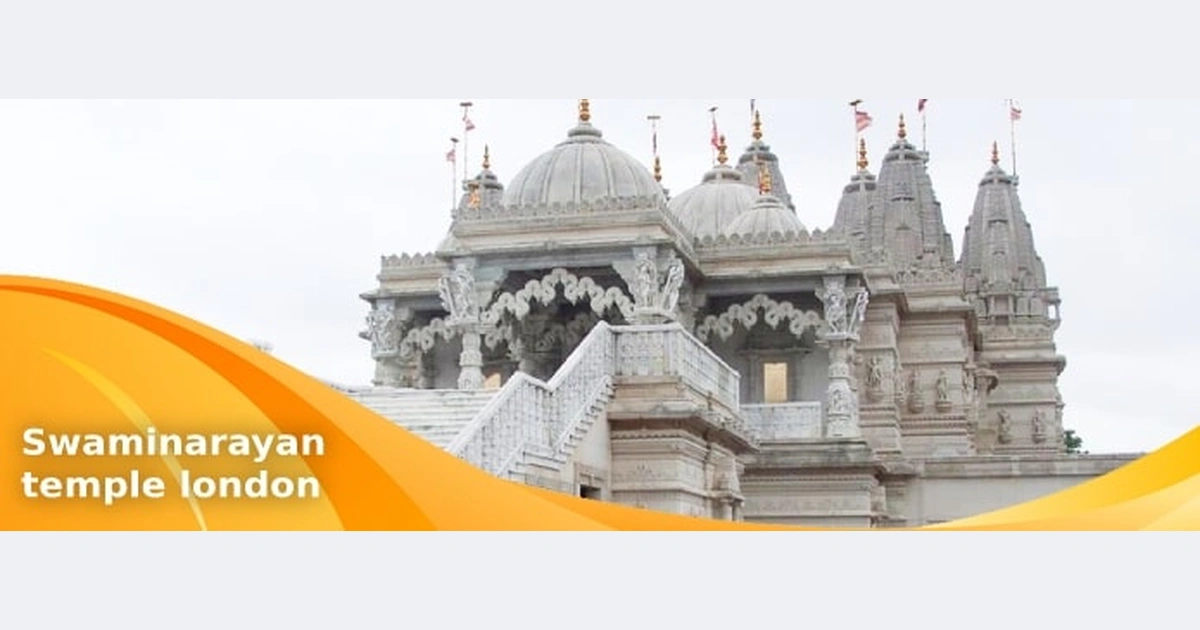
BAPS Shri Swaminarayan Mandir knew as the Neasden Temple is a Hindu temple in Neasden, London. Constructed totally using traditional methods and ingredients, the Swaminarayan Mandir has been claimed as being Britain’s first authentic Hindu or Sanatan temple. It is also Europe’s first true traditional Hindu stone temple, as distinct from converted secular buildings. The templ2 is a branch of the Bochasanwasi Shri Akshar Purushottam Swaminarayan Sanstha (BAPS) organisation and was founded inaugurated in 1995 by Shri Pramukh Swami Maharaj.

Swaminarayan Mandir complex consists of three subparts 

A traditional Hindu temple (Mandir), which is built mainly from hand-carved Italian Carrara marble and Bulgarian limestone. The temple is the main focus of this complex.

The second one is a permanent exhibition entitled “Understanding Hinduism”; and the third one is the acultural centre, known as the BAPS Shri Swaminarayan Haveli, designed in traditional Gujarati haveli style architecture, consisting of an assembly hall, gymnasium, bookshop, and offices.

Daily Aarti Rituals in Shri Swaminarayan Mandir 

Before sunrise, the Murtis which are worshipped in their night attire are wakened by the sadhus and the shrine doors are opened for the Mangala Aarti, which is the first of the daily five Aarti rituals offered during the day. Aarti is a ritual wherein a specific prayer is rare wakenedecited in a poetic manner with music while the sadhus wave a lighted lamp in front of the idols of God. The sadhus recite some shlokas (prayers), serve the almighty, offer them food sweets and bathe them, and close the shrine doors. The shrines are then opened again for the second aarti known as Shankar Arti. The shrines then remain open from 9:00 am to approximately 11:00 am when the shrines are closed and offered that, the daily lunch food. At 11.45 am, the shrines are opened for the midday art which is called Rajbhog Arti, and the thal (offering hymn) is recited before the idol of the Gods. The shrines are then closed after this to allow the Deities to rest during the afternoon. 

The shrines then once again re-open at 4:00 pm (3:30 pm on weekends) until 6:30 pm for darshan for visitors. The Sandhya Aarti then follows at 7:00 pm. Thereafter, a selection of prayers is recited by the devotees including dhun where the names of God are chanted and verses of praise are sung. The shrines are then closed again for approximately one hour so they can be offered their final meal by the priests.

After all this, the deities are now prepared for the night and adorned in their evening attire by the sadhus. The shrines are opened the last time for the Shayan Aarti (nighttime Aarti), with the lights dimmed and music lowered. The devotees recite only a few hymns, gently sending the Deities to sleep before the shrines are finally closed for the night.

This popular temple is open to people of all faiths and none are restricted. Entrance is free, except for the ‘Understanding Hinduism’ exhibition where there is a £2 fee.

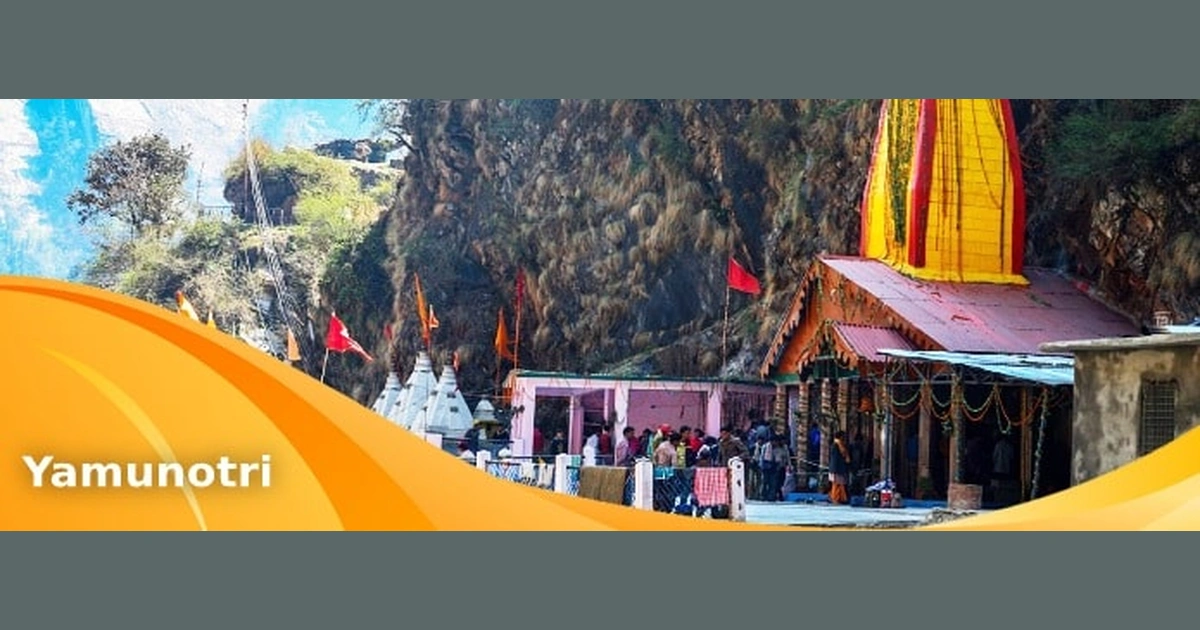
Yamunotri Dham – History and Opening Hours

The water of the river Yamuna flows on the water, but do you know where exactly is its place, that is, where is the mother Umana going? To know about their existence, you have to support us. Let us now give complete information about the history associated with Yamunotri’s holy Dham.

Indeed Yamunotri Dham has great recognition in itself. Which is a part of the Char Dham pilgrimages From here it starts the journey of Char Dhams. Tell us that the source of Yamuna River lies in Garhwal in Uttarkashi and it is located at a height of 3,293 meters in the Garhwal The Himalayas.

The history of the temple

Before telling us the history of the temple of Maa Yamanote, let us tell you that the Yamunotri temple is situated at a very high elevation from the sea level of the Garhwal Himalayas. Explain that it is located at a height of about 3235 meters. Initially, the temple was built by the Tiger King in 1839 but unfortunately, the flood of Yamunotri came into the limb. After which the temple was fully completed in the 19th century by Maharani Guleria of Jaipur and King Pratapgarh of Tehri Garhwal with complete devotion and devotion.

Importance of Yamunotri Char Dham Yatra

There are many reasons and stories hidden behind any travel. The importance of such a visit to the temple of Yamunotri is important. According to which it is said that Yumna, the daughter of Sun God and son Yamraaj. When the mother started flowing on the earth in the form of Yamuna River, her brother Yama Raj was given death. Mother Yamuna celebrated Brother Duj’s festival and Yama Raj told mother Ganga to ask for a boon. Yamraj heard the matter of sister Yamuna and gave a boon to anyone who would bat in your holy water. He will never see the path of Yamalok. Therefore it is said that any person who batts in the holy water of Yamuna, then the famine gets away from the fear of death and salvation is attained. Therefore, there are more than thousands of devotees inside.

Yamunautra’s cupboard opening hours

The time to arrive and visit the Yamunotri temple in the mountains is fixed. It is not at all that no one can come at any time. Therefore, the timing of opening the cup of the temple is fixed, let the devotees of the temple open on the sacred festival of Akshaya Tritiya i.e. the karats are opened in the month of April-May. The journey begins. The valves of the temple are closed in October and November.

Yamunotri Dham (Char Dham) Yatra Begins

As far as the thing has begun to travel. Let us know that the Pandavas first started the journey. Even before Pandavas came to Uttarakhand on pilgrimage, even before Yamunotri came, they moved towards Gangotri and then Kedarnath and Badrinath. From then on, the journey of four Dhams started. Since then millions of devotees are passionate about here and all of them complete the journey of the four dharmas by commencing the journey from Yamunotri to complete their fondness.

Man makes many sins in his life. Those who are saved by bathing in Yamunotri water. Devotees come here every year to get rid of sin. Find salvation from the sins done in Kali Yuga.

To Read about Yamunotri Dham in Hindi Click Here. To know about your Personalised horoscope prediction talk to our best astrologers and get 100% genuine remedies.

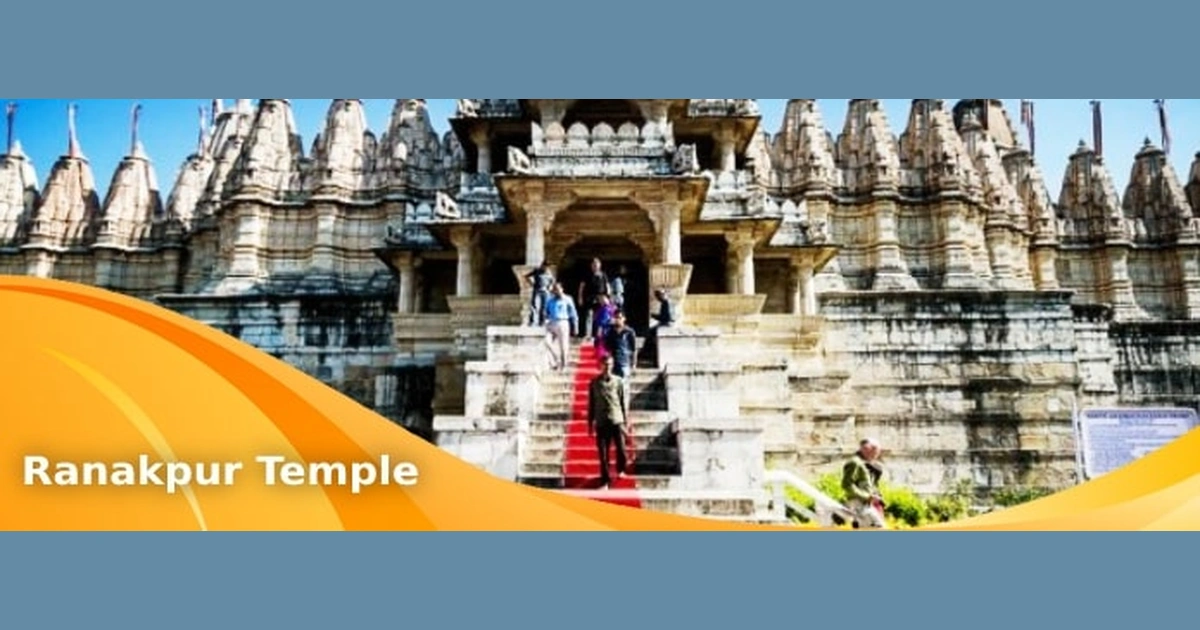
Ranakpur Jain Temple

Knowing about the temples is like the same religious work which is included in those deeds which have experienced the devotion of God. In the temple of millions of people in the country, of which we find something in our life. Because all of us live in carnage and the reason is that the famous temple, but still many temples are quite far away. But we can help you reach them till you sit at home.

Let us present you to a famous temple which is present in Rajasthan. There is a huge temple named Ranakpur on the valleys of the Aravali Mountain in Rajasthan. It is one of the most famous tourist attraction in Rajasthan where a number of Jain and other devotees visits every year. The magnificence of Ranakpur Jain Temple is quite popular. Jain trader Seth Dhana and Rana Kumba, ruler of Mewar, extend their devotion to the Lord. This temple is one of the five Jain temples. In the temple, the statue of Lord Adinath of the first Jain Tirthankara is displaced and the statue of Lord Rishabh Dev is also installed in the temple.

A glance to the history of the Ranakpur Jain Temple

It is said that this temple was started in 1446 Vikram Samvat and the temple work lasted for 50 years and spent a lot of money and built Ranakpur Jain temple. Tell that at that time this temple was prepared at the expense of about Rs. 1 crore.

At the same time, the responsibility of this temple was given to a trust in 2010. Since then the trust only caters to all the needs of the Ranakpur temple.

For your personalized horoscope prediction talk to our best astrologers in India and get instant solution of your every life-related problem. To talk click here

The Attractiveness of the temple

The most important feature of this temple is that there were 1,444 pillars in the temple which is set around the temple. There is a speciality in it that, despite having so many pillars in the Ranakpur temple, there is no obstacle in seeing God. The pillars have been decorated with special shapes. Thereby, the beauty of the temple takes four moons.

Let us tell you that the people who come to the temple for liberation, they get liberation from 84 kanyas and the heart of the Lord goes to this temple.

Here on the marble, there are also the postmarks of Lord Rishabh Dev. People whose eyes only look for. Statue of Lord Adinath in Ranakpur is made of 50 ft on a marble stone. The four doors of the temple, which is why this temple is called the Chaturmukhi Temple.

The story behind Ranakpur temple Name

The story behind the name of this temple is hidden, it is said that Lord Rana Kumbha appeared in a night and in the night, Lord decided to build his temple after seeing the blessings of Rishabh, and hence the temple was named after Rana Kumbha.

People of other religions also come with Jainism to see this holy temple. To see its beauty, take the time in a busy life and be sure to take it.
For your personalized horoscope prediction talk to our best astrologers in India and get instant solution of your every life-related problem. To talk click here