2025 Gudi Padwa Gudi (Ugadi) Padva 2025 Date Timing and Muhurat

Gudi Padwa or Gudi Padva or Ugadi festival is celebrated on the first day of the first Chaitra month in the nearby regions of Maharashtra and Goa which marks the beginning of the New year as per the Lunisolar Hindu calendar. Natives of Andhra Pradesh and Karnataka celebrate Gudi Padwa as Ugadi. Both the festivals are celebrated on the same day. Gudi Padwa in 2025 will be celebrated on 30 March 2025 Sunday.

What is the Gudi Padwa Festival 2025

Gudi Padwa also is known as Gudi Padova and Sanvsar Padvo in Konkani is a festival celebrated in spring-time which also marks the typical New Year for Konkani and Marathi Hindus. The word Padova or Padavo or Paddva/Paddvo originated from the Sanskrit word Pratipada, which indicates to the first (1st) day of a lunar fortnight.

How Gudi Padwa 2025 is celebrated

Gudi Padwa is celebrated with great enthusiasm and passion. People observed the festival of Gudi Padwa by decorating their floors with Rangoli; multicoloured floor decorations made with varying colours), a unique Gudi flag (which is garlanded with different flowers, along with the leaves of Neem and Mango tree, topped with upside-down silver or a copper container). Processions are carried out on the streets, people dance and make special festive foods. Maharashtrian people observe this festival by making different kinds of popular cuisines like Pooran Poli, Shrikhand and poori.

Significance of Gudi Padwa festival

Gudi Padwa purports the arrival of the springtime and the reaping of crops; Rabi crop. The festival is associated with a mythical day in which the Hindu creator god Hindu god Brahma created Universe and time. In few parts, it honours the crowning of Lord Rama in Ayodhya after his victory over King Ravana of the golden Lanka and also the beginning of the Shalivahan calendar. As per Anne Feldhaus in rural parts of Maharashtra the festival Gudi Padwa is also linked to Shiva’s dance and Gudi Kavads which was carried together to a Shiva temple celebrated by a large community.

To make Gudi Padwa festival more special consult the best online astrologers of India.

Gudi Padwa 2025 Festival Date and Muhurat

Gudi Padwa in 2025 will be celebrated on 30 March 2025 Sunday.

The date begins from 29 March 2025 Saturday at 04:27 PM. 

The date ends on 30 March 2025 Sunday at 12:49 PM.

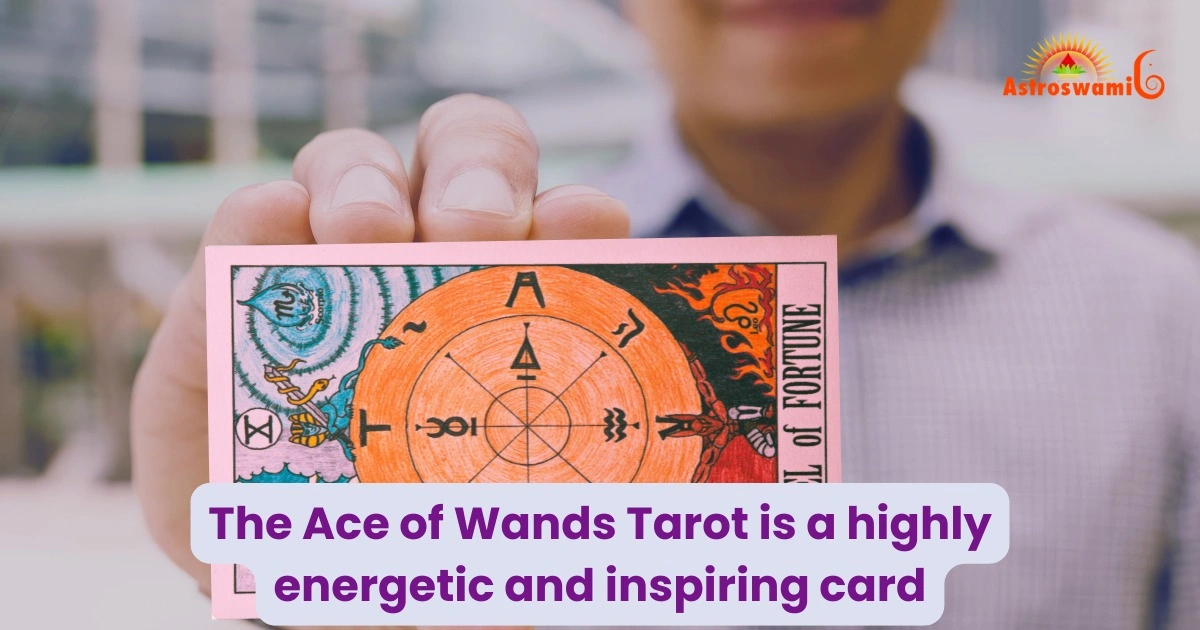
The Ace of Wands Tarot is a highly energetic and inspiring card

The Ace of Wands is a highly energetic and inspiring card in the Tarot deck, representing the birth of new ideas, inspiration, and the potential for personal growth and achievement. As the first card of the Wands suit, it sets the tone for the journey ahead, filled with ambition, creativity, and the passionate pursuit of goals. The Ace of Wands is a symbol of beginnings—particularly in the realms of creativity, business ventures, and personal transformation.

This article will explore the symbolism, astrological associations, and various interpretations of the Ace of Wands card, shedding light on its significance in different aspects of life, from career and relationships to spirituality and personal growth.

Symbolism of the Ace of Wands

The Ace of Wands features a single wand, typically depicted in the imagery of the Tarot card as sprouting leaves or flourishing at its tip. The wand is often shown being offered or held by a divine hand emerging from the clouds, symbolizing that the opportunity for new growth and potential is being bestowed upon the querent.

Key Symbols and Their Meanings

  • The Wand: Represents the potential for new beginnings, creative energy, and a surge of motivation or passion.
  • Leaves or Blossoms on the Wand: Symbolize growth, vitality, and the beginning of something new that has the potential to flourish.
  • Divine Hand: Suggests that the opportunity for new inspiration or success is divinely given or supported by higher forces.
  • Clouds: Indicate the mystical or spiritual nature of the energy surrounding the opportunity—suggesting that it may appear suddenly or from an unexpected source.

These symbols point to a time when the querent is about to embark on a new journey, fueled by passion and a sense of divine purpose. The card marks the early stages of creation, whether it be a project, idea, or venture that has the potential to bring about personal and professional growth.

Astrological Associations of the Ace of Wands

Element: Fire

The Ace of Wands is associated with the Fire element, which represents action, passion, creativity, and transformation. Fire is energetic, dynamic, and impulsive—qualities that align well with the themes of the Ace of Wands. The Fire element connects to new beginnings that are fueled by strong motivation and the desire to create something impactful. The energy of Fire pushes us forward, encouraging action, enthusiasm, and the courage to take risks.

Planetary Influence: Mars

Mars, the planet of action, energy, and initiative, plays a significant role in the Ace of Wands. Mars governs assertive action, courage, and the desire to initiate change. It infuses the Ace of Wands with its dynamic, forward-moving energy, encouraging bold steps toward new opportunities and challenges. Mars also embodies the drive for success, and this card reflects that drive in its pursuit of goals and ambitions.

Zodiac Signs: Aries, Leo, Sagittarius

The Fire signs of the zodiac—Aries, Leo, and Sagittarius—are naturally aligned with the Ace of Wands, as they share its bold, adventurous, and energetic qualities. Each of these signs brings its unique energy to the Ace of Wands:

  • Aries (Initiation): Aries is known for its pioneering spirit and willingness to take risks. The Ace of Wands embodies the fresh start that Aries thrives on.
  • Leo (Creativity): Leo is the creative force, bringing forth artistic vision and leadership. The Ace of Wands channels Leo’s drive to express creative ideas and take the lead in projects.
  • Sagittarius (Expansion): Sagittarius is associated with exploration and growth. The Ace of Wands reflects Sagittarian energy in its desire to expand horizons and reach new heights.

Numerology of One

The number one in numerology symbolizes new beginnings, leadership, and independence. It represents the start of a journey, where all potential is still untapped. The Ace of Wands, as a “one,” reflects the birth of an idea, the initial spark that will lead to something significant. One is also the number of ambition and self-reliance, as it emphasizes individual drive and determination.

Interpretations of the Ace of Wands

Upright Meaning

When the Ace of Wands appears upright in a reading, it signals the beginning of a new phase, one filled with potential and the promise of growth. It is a card of inspiration, creativity, and motivation. The querent may feel a surge of energy or an influx of ideas that compel them to take action toward their goals.

Key Upright Themes:

  • New Beginnings: The start of a new project, venture, or creative endeavor.
  • Inspiration and Creativity: A sudden burst of ideas or inspiration that ignites passion and motivation.
  • Action and Initiative: The courage to take bold steps and initiate new endeavors.
  • Opportunity: The arrival of a fresh opportunity that has the potential to lead to significant success.

The upright Ace of Wands suggests that the querent is in a prime position to harness new opportunities and take action toward their goals. It’s a card that encourages moving forward with enthusiasm and a sense of adventure.

Reversed Meaning

When the Ace of Wands appears in reverse, it may indicate a blockage or hesitation regarding a new opportunity. The energy that normally flows freely in the upright position may be stifled, causing delays or a lack of confidence in pursuing new ventures. This reversal can suggest that the querent is struggling to ignite their passion or has doubts about whether they should take a certain step forward.

Key Reversed Themes:

  • Lack of Direction: Feeling stuck or unsure about the next steps.
  • Missed Opportunities: Failing to recognize or act upon new opportunities.
  • Creative Blocks: Struggling to find inspiration or motivation.
  • Hesitation: Lack of confidence or fear of failure preventing action.

The reversed Ace of Wands encourages the querent to reassess their approach and address any internal blocks that may be preventing them from taking bold action. It may also suggest that more preparation is needed before diving into a new venture.

The Ace of Wands in Various Contexts

Career and Finances

In the context of career and finances, the Ace of Wands is an exciting omen. It suggests the arrival of a new opportunity, such as a fresh job, promotion, or business venture, that aligns with the querent’s passions and creative abilities. It signals a time to take bold actions and pursue endeavors with enthusiasm.

Career Advice:

  • Take initiative and seek out new opportunities.
  • Follow your passions and creative inspirations.
  • Be proactive in advancing your career or launching new projects.

Financial Advice:

  • Embrace new financial opportunities that align with your long-term goals.
  • Take calculated risks to invest in your future.
  • Stay open to innovative ideas or entrepreneurial ventures.

Love and Relationships

In love readings, the Ace of Wands represents the spark of new love, passion, or chemistry. It signifies the early stages of a relationship where attraction and excitement are high. For those already in relationships, it suggests the potential for rekindling passion or injecting new energy into the partnership.

For Singles:

  • New romantic prospects may appear.
  • Be open to new connections that ignite your passion.
  • Trust your instincts and take the initiative in pursuing a new relationship.

For Couples:

  • Rekindling of passion and excitement in a long-term relationship.
  • Opportunities for personal growth and deepening the connection.
  • Bringing fresh energy into the relationship, leading to a revitalized bond.

Spirituality and Personal Growth

In spiritual readings, the Ace of Wands reflects a new chapter in the querent’s spiritual journey. It can represent an awakening, a new direction, or an influx of spiritual insight. It’s a card that encourages the querent to embrace their inner power, intuition, and potential for growth.

Advice for Spiritual Growth:

  • Embrace the new opportunities for spiritual exploration.
  • Trust in your ability to manifest your goals.
  • Take inspired action toward personal transformation and enlightenment.

Life Lessons from the Ace of Wands

The Ace of Wands teaches us about the importance of passion, action, and new beginnings. It encourages us to pursue our dreams with enthusiasm and not to be afraid of starting fresh. Even when faced with uncertainty, this card reminds us that we have the power within to create and manifest our desires.

Key Life Lessons:

  • Harness the power of inspiration and creativity.
  • Take bold action toward new opportunities.
  • Trust in the process of growth and transformation.
  • Be open to new ideas, ventures, and personal growth.

The Ace of Wands in Modern Life

In today’s fast-paced, goal-oriented world, the Ace of Wands serves as a reminder to follow our passions and take decisive action. Whether it’s in our career, relationships, or personal projects, the Ace of Wands encourages us to start new ventures with enthusiasm and confidence. It invites us to embrace the excitement of new beginnings, knowing that we hold the power to shape our future.

The Ace of Wands is a powerful card of initiation, creativity, and action. It encourages new beginnings and ignites the spark of inspiration that can lead to success and fulfillment. Through its astrological associations with the Fire element, Mars, and the Fire signs of Aries, Leo, and Sagittarius, the Ace of Wands brings with it the promise of excitement, transformation, and the courage to take risks.

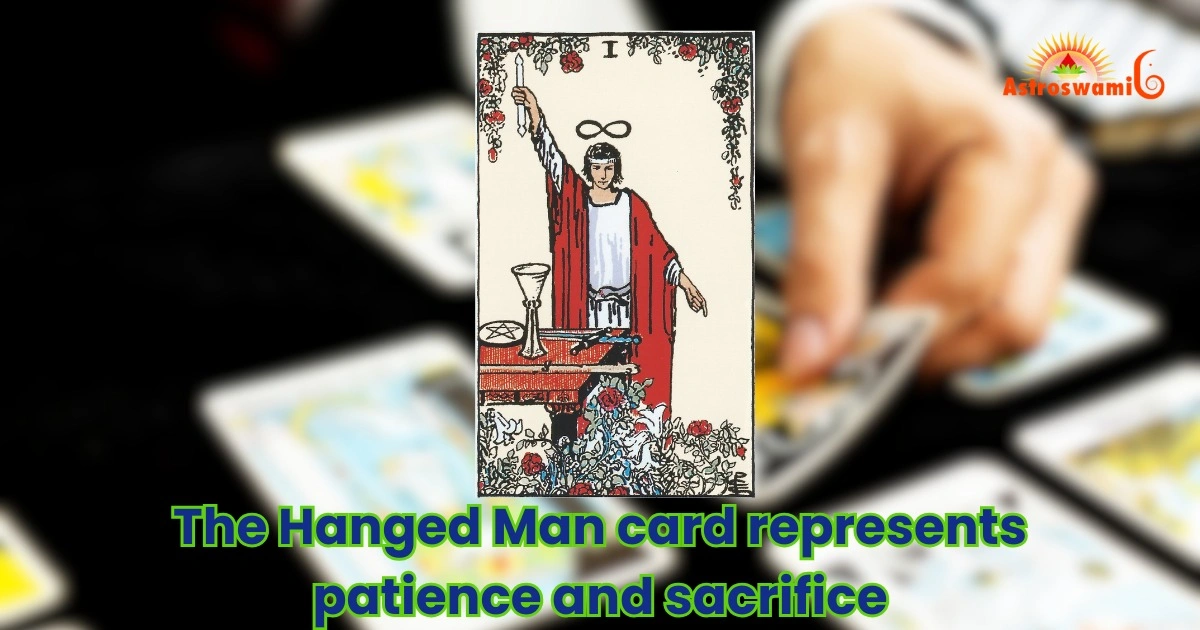
The Hanged Man card represents patience and sacrifice

The Hanged Man Tarot card, numbered 12 in the Major Arcana, is one of the most spiritually profound and thought-provoking cards in the deck. With its image of a man hanging upside down, this card represents the power of surrender, the necessity of changing perspective, and the invitation to seek inner enlightenment. Though its symbolism can initially appear confusing, The Hanged Man offers us valuable lessons on patience, sacrifice, and the beauty of embracing a period of pause for deep personal growth.

This article provides a comprehensive exploration of The Hanged Man Tarot card, focusing on its symbolism, interpretations, and applications. We will delve into the card’s significance in various aspects of life, such as relationships, career, and spiritual growth, as well as its meanings when it appears upright or reversed. Additionally, we will examine how this card’s message aligns with themes in astrology and numerology.

If you want to understand how these themes play out in your own life, you can explore free astrology by date of birth to see how your planetary placements reflect similar lessons

The Structure of the Tarot Deck and The Hanged Man’s Position

The Tarot deck consists of two main sections: the Major Arcana and the Minor Arcana.

The Major Arcana

The Major Arcana consists of 22 cards, each representing significant life themes, spiritual journeys, or transformative lessons. These cards capture the soul’s journey from innocence to wisdom, depicting important milestones along the path to self-awareness and enlightenment. The Hanged Man, being part of the Major Arcana, is associated with deep, often spiritual insights, and reflects moments in life where a shift in perspective or attitude is necessary.

The Minor Arcana

The Minor Arcana, with its 56 cards divided into four suits (Cups, Pentacles, Swords, and Wands), focuses on everyday events, challenges, and smaller life details. The Hanged Man, as part of the Major Arcana, therefore speaks to broader life themes and lessons rather than daily situations.

The Hanged Man is unique within the Major Arcana for its focus on stillness, patience, and surrender to a higher perspective. Let’s explore the symbolism in more detail.

Symbolism of The Hanged Man Card

The Hanged Man Tarot card is filled with powerful symbols that reveal its deeper meaning. Let’s break down each aspect and uncover the messages they hold.

1. The Man Hanging Upside Down

The image of a man hanging upside down is the most defining feature of this card. Although the figure is in an unusual position, he appears calm, serene, and unbothered. This symbolizes the idea of relinquishing control and trusting in the greater forces of life. The upside-down position indicates a change in perspective, as the man is literally viewing the world from a new angle. It encourages the seeker to consider a different viewpoint or to see things in a way they might not have considered before.

2. The Halo Around the Man’s Head

The figure in The Hanged Man card often has a halo or a glowing aura around his head. This is a symbol of enlightenment and spiritual understanding. Despite his unusual and vulnerable position, the man has reached a state of clarity and peace. This glow signifies that the process of surrender and reflection can lead to profound insights and wisdom. The halo represents the idea that true understanding often comes when we step back, let go of our preconceived notions, and allow inner illumination to guide us.

3. The Tree or Beam

In many versions of the Tarot, The Hanged Man is depicted hanging from a tree or beam, which is sometimes referred to as the Tree of Life. This tree symbolizes growth, knowledge, and the interconnectedness of all things. In mythological and spiritual traditions, trees often represent grounding and wisdom, and hanging from it signifies that The Hanged Man has connected to a deeper level of awareness by placing himself in this position. It’s also a reminder that sacrifice and patience are often required for growth.

4. The Crossed Legs

The man’s legs are usually crossed in a way that forms an upside-down number 4. This number is associated with stability, structure, and order. However, because it is upside down, it suggests that the stability The Hanged Man finds is unconventional and may be achieved by embracing uncertainty. This posture is a reminder that true balance and inner peace are sometimes found when we break free from rigid structures and open ourselves to alternative paths.

5. The Calm Expression

The man’s calm, serene expression is essential to the card’s meaning. Despite his vulnerable position, he is at peace. This suggests acceptance and serenity, an invitation to let go of resistance and embrace stillness. His expression reinforces the idea that a state of calm acceptance can lead to greater clarity and insight.

The Meaning of The Hanged Man Card

The Hanged Man is a powerful card, often indicating that a period of waiting, reflection, or letting go is necessary. Unlike cards that suggest action, The Hanged Man encourages us to pause, reassess, and gain new perspectives. Let’s explore some of the primary themes associated with The Hanged Man.

1. Surrender and Letting Go

The Hanged Man teaches us the power of surrender. In life, we often try to control situations and force things to happen according to our desires. However, The Hanged Man suggests that there are times when letting go and surrendering to the flow is the best approach. By relinquishing control and accepting that we cannot influence everything, we open ourselves to new opportunities and insights.

2. Patience and Waiting

The Hanged Man is closely associated with patience and the need to wait for the right moment. It encourages us to embrace stillness and avoid rushing forward impulsively. This card can signify a time in life when things may feel stagnant or on hold, but rather than becoming frustrated, it suggests using this time for introspection and growth. The Hanged Man reminds us that patience can often lead to a better outcome than forcing immediate action.

3. A New Perspective

One of the most prominent themes of The Hanged Man is the importance of changing perspective. By turning his world upside down, the Hanged Man is able to see things from a different angle. This card urges us to question our assumptions, release fixed mindsets, and be open to new ideas or ways of seeing. When The Hanged Man appears, it’s often a call to consider alternative viewpoints, explore new beliefs, or look at situations with fresh eyes.

4. Sacrifice and Selflessness

The Hanged Man is sometimes interpreted as a card of sacrifice. It suggests that we may need to let go of something, whether it’s a belief, habit, or attachment, to achieve a greater sense of peace or understanding. This card can also indicate acts of selflessness and service to others. The Hanged Man invites us to consider how releasing attachments and acting for the greater good can lead to personal transformation.

5. Inner Peace and Enlightenment

The Hanged Man ultimately points toward inner peace and a deep level of self-awareness. It suggests that the process of surrender and stillness leads to a more profound sense of understanding. The halo around the man’s head symbolizes enlightenment and spiritual growth, and this card encourages us to trust that the answers we seek will come from within, once we release resistance and embrace a higher level of consciousness.

The Hanged Man in a Reading

The Hanged Man’s interpretation in a reading depends on its position within the spread, as well as whether it appears upright or reversed. Let’s explore how this card functions in various aspects of life.

Upright Position

When The Hanged Man appears in the upright position, it generally suggests a period of pause, reflection, and letting go. The card invites the seeker to step back, reconsider, and allow events to unfold without force. The upright Hanged Man can represent:

  • A need for patience and acceptance in the face of delays or uncertainty
  • An invitation to change one’s perspective or view a situation differently
  • A call to embrace a time of non-action, allowing inner insights to emerge
  • The potential for self-discovery and spiritual growth through stillness

In relationships, the upright Hanged Man may indicate that patience and understanding are needed, suggesting that things cannot be rushed. In career readings, it could point to a time of reassessment or even temporary stagnation, but with the promise that new ideas or opportunities will eventually emerge.

Reversed Position

When The Hanged Man appears in the reversed position, it can signify resistance to letting go, impatience, or an unwillingness to see things from a new perspective. Reversed, The Hanged Man might suggest:

  • Feeling stuck or unwilling to accept a necessary pause in progress
  • Clinging to old beliefs, habits, or situations out of fear of change
  • A reluctance to sacrifice something, even though it may be holding you back
  • The need to examine why you are resisting change or stillness

In relationships, the reversed Hanged Man might indicate that one or both partners are unwilling to make necessary sacrifices, resulting in stagnation or misunderstandings. In career readings, it may suggest a need to break free from a limiting situation but a reluctance to take the required steps.

The Hanged Man and Its Connections to Astrology and Numerology

In astrology, The Hanged Man is often associated with Neptune, the planet of intuition, dreams, and spirituality. Neptune’s influence aligns with The Hanged Man’s themes of surrender, introspection, and spiritual growth, as well as its call to let go of illusions and see the truth from a higher perspective.

Just as a kundli maps the position of your planets at birth, The Hanged Man mirrors how those energies invite you to pause, surrender, and grow from within

Numerologically, The Hanged Man is connected to the number 12. When reduced (1 + 2), it becomes 3, a number symbolizing creation, growth, and expansion. This reduction reveals that, though The Hanged Man speaks of stillness, its underlying message is one of growth and enlightenment.

The Hanged Man Tarot card reminds us of the transformative power of patience, surrender, and introspection. By allowing ourselves to pause and see life from a new perspective, we open doors to wisdom and inner peace. This card is a profound teacher of letting go, trusting the process, and embracing a journey that ultimately leads to growth and enlightenment.

If you feel called to study your life path in more depth, ordering a detailed janampatri can help you connect The Hanged Man’s message with the concrete events and patterns in your own story.

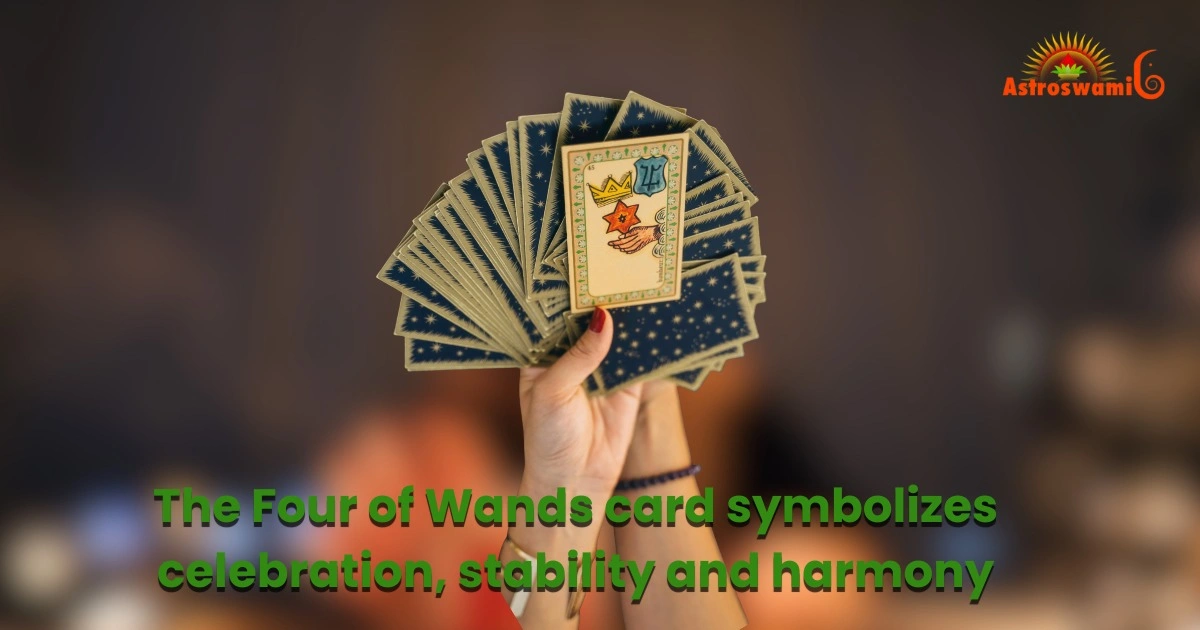
The Four of Wands card symbolizes celebration, stability and harmony

The Four of Wands, part of the Minor Arcana in the Tarot deck, is a card that radiates joy, harmony, and celebration. Known for its uplifting energy, the Four of Wands marks milestones, achievements, and the harmonious coming together of people, whether in personal relationships, families, or communities. It serves as a beacon of stability and balance after a period of effort and hard work, encouraging us to take a moment to celebrate life’s victories.

Ruled by the element of Fire, the suit of Wands represents passion, inspiration, and the pursuit of creativity. The Four of Wands embodies these qualities by signaling a time to pause, recognize success, and embrace unity and happiness. It can often represent celebrations such as weddings, homecomings, reunions, or the successful completion of a major life project.

In this article, we will delve deep into the Four of Wands, exploring its symbolism, astrological significance, and its meanings in various aspects of life such as love, career, finances, and personal growth.

1. Symbolism of the Four of Wands

The imagery of the Four of Wands in Tarot is vibrant, carrying multiple layers of meaning. Each element of the card contributes to its uplifting message of celebration and harmony.

The Four Wands and Garland

The card typically depicts four wands firmly planted in the ground, topped with a garland of flowers or leaves. The garland symbolizes abundance, growth, and the fruits of your hard work. The four wands form a stable structure, representing security and strong foundations.

The People Celebrating

In many depictions, people in the background are seen rejoicing, holding flowers or celebrating under the wands. This represents communal joy, unity, and harmony. It signifies relationships thriving and achievements being shared with loved ones.

The Castle or Home

In the distance, a castle or home often appears, symbolizing stability, safety, and the completion of a goal. It can represent returning home, creating a new home, or building something secure and lasting in your life.

The Bright Sky

The clear and bright sky signifies optimism, peace, and positivity. It shows that the clouds of difficulty have passed, and the path ahead is one of happiness and fulfillment.

Together, the symbols in the Four of Wands illustrate a time of rest, celebration, and reflection, reminding us to cherish our victories and acknowledge the strong foundations we have built.

2. Astrological Correspondence

The Four of Wands is linked to the planet Venus in Aries, blending the loving, harmonious energy of Venus with the bold, dynamic qualities of Aries.

Venus in Aries Influence:

  • Harmony and Love: Venus is the planet of love, beauty, and harmony, bringing warmth, connection, and joy into relationships and celebrations.
  • Initiative and Boldness: Aries, a Fire sign ruled by Mars, adds a sense of drive, passion, and initiation. It encourages us to take bold steps toward creating stability and fulfillment.
  • Celebration of Achievements: This combination highlights the joy of seeing efforts come to fruition and the importance of celebrating success with others.

The Four of Wands also resonates with the energy of other Fire signs like Leo and Sagittarius, which bring vitality, enthusiasm, and a sense of adventure to this card’s message.

3. Upright Meaning of the Four of Wands

When the Four of Wands appears upright in a reading, it brings with it an uplifting message of joy, stability, and harmony. It signifies a time when things are falling into place, and celebrations are in order.

Key Upright Themes

  • Celebration and Joy
    The Four of Wands marks a time of celebration, happiness, and shared success. It may represent milestones like weddings, engagements, anniversaries, or the successful completion of a project.
  • Harmony and Stability
    The card reflects a period of balance and security, both emotionally and materially. It encourages you to enjoy the strong foundations you’ve created in your life.
  • Community and Togetherness
    This card often signifies the importance of connection and unity. It highlights joyous gatherings, family reunions, or strengthening bonds with friends and loved ones.
  • Rest and Reflection
    The Four of Wands reminds you to take a break and reflect on your journey. Celebrating small and big achievements alike can recharge your spirit and inspire further growth.

Upright Interpretation in Different Contexts

  • Love and Relationships:
    In love readings, the Four of Wands is a powerful symbol of commitment, harmony, and shared joy. It can represent marriage, engagement, or a deepening of your relationship. For singles, it indicates a positive connection or meeting someone through celebrations or social gatherings.
  • Career and Finances:
    In career matters, the Four of Wands signals success, teamwork, and the completion of a major project. It indicates a stable work environment and rewards for your hard work. Financially, it suggests stability, security, and enjoying the fruits of your labor.
  • Personal Growth:
    The Four of Wands encourages you to acknowledge your progress and appreciate the stability you’ve created. It’s a time to celebrate your achievements and express gratitude for the journey so far.

4. Reversed Meaning of the Four of Wands

When the Four of Wands appears reversed, it often points to instability, tension, or a delay in celebrations or progress. However, it also serves as a reminder to address underlying issues and realign your efforts.

Key Reversed Themes

  • Delays and Disruptions
    The reversed Four of Wands may indicate delays in plans, such as postponed celebrations, projects, or milestones. It urges patience and flexibility.
  • Instability in Relationships
    This card can reflect disharmony or tension within a relationship, family, or community. Misunderstandings or lack of communication may be disrupting the flow of happiness.
  • Insecure Foundations
    Reversed, the card warns of shaky foundations in your life, whether emotional, financial, or professional. It’s a call to reassess your goals and ensure they are grounded in reality.
  • Lack of Recognition
    The reversed Four of Wands may indicate that your efforts or achievements are not being acknowledged. It encourages you to find fulfillment within yourself rather than seeking external validation.

Reversed Interpretation in Different Contexts

  • Love and Relationships:
    In relationships, the reversed card may point to conflict, delays in commitment, or tension within partnerships. It calls for open communication and addressing any issues that threaten stability.
  • Career and Finances:
    Professionally, it suggests workplace instability or delays in achieving your goals. Financially, it’s a reminder to re-evaluate spending and ensure your foundations are secure.
  • Personal Growth:
    The card urges you to address any internal doubts or insecurities that may be preventing you from celebrating your progress. It encourages you to realign your focus and rebuild confidence.

5. Lessons from the Four of Wands

The Four of Wands offers profound lessons about stability, celebration, and the importance of community:

  • Celebrate Your Achievements: Taking time to recognize your successes can inspire further growth and motivate you to keep going.
  • Build Strong Foundations: The card reminds us of the importance of creating stability in all areas of life—relationships, career, and home.
  • Connect with Others: Joy is amplified when shared with others. The Four of Wands highlights the value of community, harmony, and togetherness.
  • Trust the Journey: Even when delays or obstacles arise, the Four of Wands assures you that harmony and success are achievable with patience and effort.

6. The Four of Wands in Tarot Readings

The Four of Wands is a card of positivity and hope, often appearing in readings to remind you to celebrate life’s blessings and trust in the stability you’ve built.

  • In love readings, it signals commitment, harmony, and joyful milestones.
  • In career readings, it marks success, teamwork, and the completion of projects.
  • In spiritual readings, it highlights the importance of gratitude, reflection, and alignment with your purpose.

The Four of Wands is a card that radiates positivity, celebration, and stability. It encourages us to pause, appreciate our achievements, and connect with loved ones. Whether it signifies a joyous event, a harmonious relationship, or the successful completion of a goal, the card reminds us of the importance of strong foundations and shared happiness.

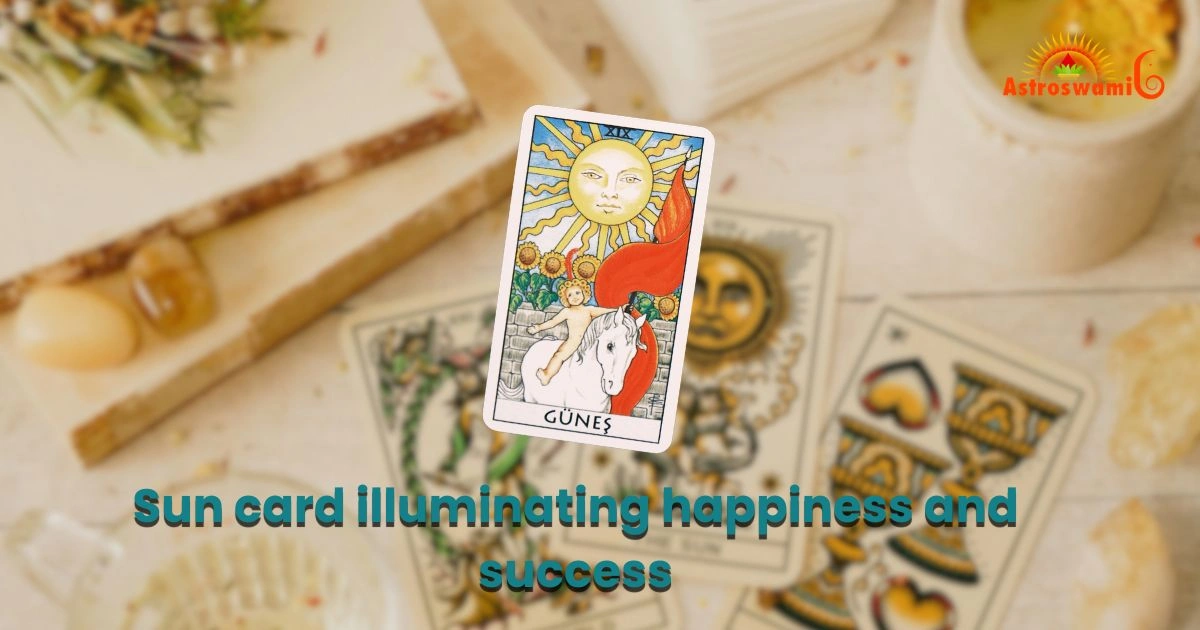
Sun card illuminating happiness and success

The Sun Tarot card shines as one of the most positive cards in the Major Arcana, symbolizing joy, clarity, success, and personal fulfillment. As the 19th card in the Tarot deck, The Sun represents the powerful illumination that brings growth, abundance, and vitality. From an astrological perspective, The Sun governs the self, creativity, and our inner light, encouraging us to embrace our uniqueness and radiate confidence.

Whether it appears in a Tarot spread upright or reversed, The Sun card brings optimism and a renewed sense of purpose. This article explores the card’s symbolic imagery, interpretations in various life areas, and its astrological associations.

1. Symbolism of The Sun Tarot Card

In most Tarot decks, The Sun card presents a bright, joyful image that conveys warmth, energy, and vitality. The symbolism in the card’s imagery reveals layers of meaning that speak to the heart of happiness, personal freedom, and enlightenment.

Key Symbols in The Sun Card:

  • The Sun: Central to the card’s imagery is the Sun itself, which shines brightly, representing life force, clarity, and energy. Its light dispels darkness, symbolizing truth and awareness. The Sun is the ultimate source of illumination and warmth, guiding us toward self-acceptance and joy.
  • The Child: Often depicted as a young child riding a white horse, the child symbolizes innocence, purity, and a sense of wonder. This figure encourages us to embrace life with the openness and trust of a child, approaching each experience with curiosity and joy.
  • The White Horse: Representing freedom, strength, and purity, the horse in The Sun card is untethered and full of vitality. It reminds us to move forward without fear, propelled by clarity and a strong sense of purpose.
  • Sunflowers: Four sunflowers are often seen blooming in the background, representing growth, positivity, and the cyclical nature of life. The number four reflects stability and a balanced foundation, signifying that the joy of The Sun is grounded in real, lasting experiences.
  • The Wall: Some interpretations include a wall behind the child and horse, suggesting a boundary that separates past challenges from the present joy. The wall represents a barrier overcome, indicating that the happiness depicted in The Sun is built upon lessons learned and inner resilience.

2. Numerology and Astrological Associations of The Sun

Numerology: The Sun is the 19th card in the Major Arcana. In numerology, 1 + 9 reduces to 10, and further to 1 (1 + 0), a number associated with new beginnings, creation, and individual power. The number one is about initiation, originality, and leadership, all qualities that The Sun embodies, urging us to celebrate our uniqueness.

Astrological Association: Astrologically, The Sun Tarot card is associated with the Sun itself, the ruler of Leo. In astrology, the Sun represents our core self, ego, creativity, and the life force that drives us. Like Leo, The Sun card is about self-expression, confidence, and the courage to shine authentically. It encourages us to be proud of who we are, express ourselves freely, and bask in the warmth of personal fulfillment.

3. The Sun Tarot Card in Readings: Upright Meaning

When The Sun appears upright in a Tarot reading, it brings a powerful message of positivity, success, and clarity. This card indicates that a period of joy, abundance, and vitality is at hand, illuminating every aspect of one’s life.

Key Upright Meanings:

  • Success and Achievement: The Sun is a card of triumph, suggesting that success is either within reach or already in hand. This success is grounded in authenticity and confidence, highlighting accomplishments that stem from being true to oneself.
  • Happiness and Joy: The Sun brings radiant happiness, symbolizing a time of celebration and enjoyment. Whether it’s in relationships, career, or personal pursuits, the card suggests a period of joy and fulfillment.
  • Clarity and Understanding: The Sun reveals hidden truths and brings clarity to situations that may have been clouded or uncertain. With The Sun’s illumination, one can see things clearly, making decisions confidently and with purpose.
  • Childlike Wonder and Innocence: This card invites us to approach life with curiosity and openness, shedding the doubts and fears that may have accumulated over time. The Sun encourages the pure enjoyment of life, embracing experiences with a sense of adventure.
  • Optimism and Positivity: The Sun card amplifies a sense of hope and optimism, symbolizing a time when everything feels aligned and possibilities are endless. It’s a reminder to embrace positivity, as it will attract even more joy and abundance.

4. The Sun Tarot Card in Readings: Reversed Meaning

When The Sun card appears reversed, its positive energy is still present, though it may be slightly diminished or blocked. The reversed Sun suggests that happiness, clarity, or success may be delayed, and it encourages finding ways to overcome self-doubt or limitations.

Key Reversed Meanings:

  • Temporary Setbacks or Delays: The reversed Sun can indicate that while success and happiness are on the horizon, there may be temporary obstacles. This may be a time to practice patience and resilience, trusting that good things are coming.
  • Self-Doubt: When reversed, The Sun can signal self-doubt or hesitation about moving forward. It’s an encouragement to believe in oneself and embrace self-confidence rather than allowing doubts to diminish one’s inner light.
  • Overlooking Joy: Sometimes, the reversed Sun suggests that one may be missing out on life’s joyful moments due to stress or overthinking. It’s a reminder to focus on the present and reconnect with the simple pleasures that bring happiness.
  • Seeking Validation: The reversed Sun can also indicate a tendency to seek external validation rather than finding joy within. It encourages focusing on self-acceptance, finding happiness that isn’t dependent on others’ opinions or approval.
  • Overemphasis on Ego: The Sun reversed may signify an overemphasis on ego, pride, or a need for control. This is a call to focus on authentic joy and connection rather than proving oneself to others.

5. The Sun in Relationships

In relationship readings, The Sun is a beautiful and affirming card, symbolizing happiness, harmony, and mutual joy. It suggests that relationships will flourish with positivity, open communication, and shared fulfillment.

  • Harmonious Connection: The Sun indicates warmth, affection, and understanding between partners. It suggests that the relationship is entering or experiencing a period of mutual joy and appreciation.
  • Clarity and Honesty: The Sun encourages open and honest communication, allowing both partners to feel seen, heard, and valued. It signifies a relationship where transparency is valued, and both individuals feel comfortable being themselves.
  • A Time of Celebration: Whether it’s reaching a milestone, enjoying shared experiences, or deepening the connection, The Sun suggests a time of celebration and gratitude. This is a period to savor and appreciate the relationship’s positive aspects.
  • Renewed Passion and Playfulness: The Sun often brings a childlike playfulness and energy into relationships, reminding both partners to have fun together, express love openly, and find joy in shared experiences.

6. The Sun in Career and Finances

In career and financial readings, The Sun is a highly positive card that signals success, recognition, and fulfillment. It suggests that one’s hard work and creativity will bring rewards and that the path ahead is bright.

  • Professional Success and Recognition: The Sun indicates that one’s career efforts will lead to success and possibly public recognition. It’s a time to enjoy the rewards of one’s hard work and embrace new opportunities.
  • Positive Work Environment: The Sun suggests that the work environment is harmonious, supportive, and energizing. Colleagues and leaders are likely to be cooperative, making it an ideal time to work toward shared goals.
  • Financial Abundance: This card signifies a time of financial growth, abundance, and stability. The Sun encourages wise financial decisions and suggests that prosperity is possible with clarity and confidence.
  • Inspiration and Creativity: The Sun encourages embracing one’s creativity in work, allowing for personal expression and innovation. It’s a great time for pursuing ideas, projects, or roles that align with one’s passions and values.

7. The Sun and Personal Growth

The Sun Tarot card is a powerful guide for personal development, encouraging self-expression, inner joy, and confidence. It urges one to shine their authentic light and pursue paths that lead to fulfillment.

  • Self-Expression: The Sun encourages embracing one’s unique qualities, talents, and desires. It’s a reminder that true joy comes from honoring and celebrating who you truly are.
  • Inner Child Healing: By inviting us to reconnect with childlike wonder, The Sun encourages healing wounds from the past and learning to approach life with renewed enthusiasm. This process of “inner child” healing can lead to profound joy and self-acceptance.
  • Cultivating Confidence: The Sun teaches that confidence stems from self-acceptance and authenticity. It suggests that when one feels proud of who they are, they naturally attract joy, love, and success.
  • Positive Mindset and Manifestation: The Sun card inspires a positive mindset and reminds us that optimism can lead to abundant outcomes. Embracing a mindset of gratitude and belief in one’s potential can manifest new opportunities and blessings.

The Sun Tarot card is a beacon of hope, joy, and confidence, encouraging us to embrace our uniqueness, follow our passions, and celebrate life’s moments of happiness. Whether it appears in a reading upright or reversed, The Sun brings warmth, clarity, and a reminder of the light that resides within each of us.

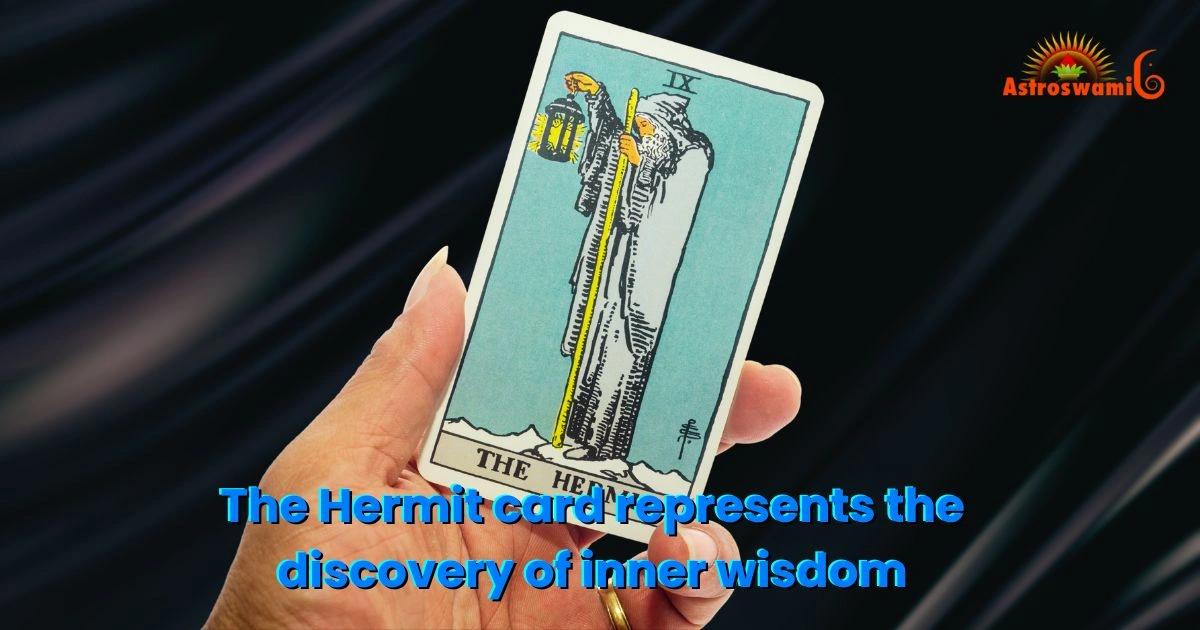
The Hermit card represents the discovery of inner wisdom

The Hermit card is the ninth card in the Major Arcana of the tarot deck. It represents a deep journey into solitude, introspection, and the quest for inner wisdom. Unlike other cards in the tarot, which often emphasize external action and relationships, The Hermit invites us to turn inward and reflect on our true selves. This article will explore the symbolism of The Hermit card, its meanings in various contexts, its astrological associations, and how it can guide us on our journey toward self-discovery and enlightenment.

Understanding the Structure of Tarot

Before diving into the specifics of The Hermit card, it’s essential to grasp the overall structure of the tarot:

Major and Minor Arcana

  • Major Arcana: Comprising 22 cards, the Major Arcana reflects significant life lessons, spiritual themes, and archetypal experiences. Each card represents a crucial aspect of our journey through life, and Many seekers today explore these deeper meanings through online astrology consultation to understand how tarot insights align with their life path.
  • Minor Arcana: This consists of 56 cards divided into four suits (Cups, Pentacles, Swords, and Wands) that explore everyday experiences and challenges.

The Hermit occupies a pivotal position in the Major Arcana, signifying a transitional phase in one’s spiritual journey.

Visual Symbolism of The Hermit Card

The Hermit card is rich in symbolism, with each element contributing to a deeper understanding of its meanings.

1. The Hermit Figure

At the center of the card is an elderly figure, often depicted as a wise man with a long beard. His age symbolizes wisdom, experience, and the accumulation of knowledge over time. This figure represents the seeker of truth, someone who has ventured far in their journey and now seeks deeper understanding. much like individuals who consult Free online kundli to reflect on their spiritual direction.

2. The Lantern

The Hermit carries a lantern, which symbolizes guidance, illumination, and the search for truth. The light emanating from the lantern represents the inner wisdom that the Hermit has cultivated, suggesting that true enlightenment comes from within. It also signifies the need to seek clarity and insight in times of darkness or confusion.

3. The Mountain

The Hermit is often depicted standing on a mountain or a high peak, symbolizing the journey of ascension and the pursuit of higher understanding. The mountain represents the challenges one must overcome to attain wisdom and enlightenment. It serves as a metaphor for the obstacles that individuals face on their spiritual journey.

4. The Cloak

The Hermit wears a cloak, symbolizing protection and the sacredness of his journey. The cloak represents the desire for solitude and reflection, shielding the seeker from the distractions of the outside world. It also signifies the importance of introspection in the quest for knowledge.

5. The Color Palette

The colors used in The Hermit card often include muted tones, such as grays, browns, and dark blues. These colors evoke feelings of tranquility and contemplation, reinforcing the card’s themes of introspection and inner exploration.

The Meaning of The Hermit Card

The Hermit card encompasses a variety of meanings, primarily centered on introspection, solitude, and the search for inner wisdom. Let’s explore its core themes:

1. Introspection and Self-Discovery

At its essence, The Hermit card signifies a time of introspection and self-discovery. It encourages individuals to take a step back from the chaos of daily life and reflect on their true selves. This card emphasizes the importance of understanding one’s thoughts, feelings, and desires before making significant life decisions, similar to how Kundli Matching is used to gain clarity before major life commitments.


2. Solitude and Retreat

The Hermit card often indicates a need for solitude and retreat. It suggests that individuals may benefit from withdrawing from social engagements and distractions to connect with their inner selves. This card encourages the exploration of one’s thoughts and emotions in a peaceful and quiet environment.

3. Seeking Guidance and Wisdom

The Hermit embodies the pursuit of knowledge and wisdom. This card encourages individuals to seek guidance from within, as well as from trusted mentors or spiritual leaders. The Hermit suggests that true enlightenment comes from a combination of self-reflection and external learning.

4. Spiritual Awakening

The Hermit card is often associated with spiritual awakening and enlightenment. It signifies a period of profound inner transformation, where individuals are invited to explore their spiritual beliefs and seek a deeper understanding of their life purpose. This card encourages individuals to embrace their spiritual journey, no matter how challenging it may be. Many seekers turn to a detailed birth chart analysis to uncover deeper spiritual patterns and life lessons hidden in their horoscope.

5. Patience and Reflection

The Hermit card teaches the value of patience and reflection. It encourages individuals to take their time in their search for knowledge and understanding. Rushing into decisions or actions without careful consideration may lead to confusion and regret. This card serves as a reminder that personal growth often requires time and patience.

The Hermit Card in Different Positions

In tarot readings, the position of The Hermit card can significantly influence its interpretation. Let’s explore what it means when The Hermit card appears in various positions:

1. Past Position

When The Hermit card appears in the past position, it often signifies a time when the querent underwent a period of introspection or self-discovery. This card suggests that past experiences have shaped the querent’s current beliefs and values. Reflecting on these experiences can provide valuable insights into their present situation.

2. Present Position

In the present position, The Hermit card indicates that the querent is currently in a phase of introspection and self-exploration. This card encourages individuals to take time for themselves and seek clarity in their thoughts and emotions. It may also signify the need for solitude to gain perspective on a particular issue or challenge.

3. Future Position

When The Hermit card appears in the future position, it suggests that the querent will enter a phase of introspection or spiritual awakening. This card indicates that the individual may need to retreat from the chaos of life to seek inner wisdom. It serves as a reminder to trust in their journey and embrace the lessons that will arise during this time.

Reversed Hermit Card: Isolation and Loneliness

When The Hermit card appears reversed in a reading, it signals themes of isolation, loneliness, and disconnection.

1. Feelings of Isolation

A reversed Hermit card often indicates feelings of isolation or loneliness. The querent may feel cut off from others or struggle to connect with those around them. This card serves as a reminder to seek social connections and reach out for support during challenging times.

2. Avoidance of Introspection

The reversed Hermit card can also suggest a reluctance to engage in self-reflection or introspection. The querent may be avoiding the deeper questions about their life or emotions, leading to confusion or stagnation. This card encourages individuals to confront their feelings and seek clarity within themselves.

3. Lack of Direction

When The Hermit card appears reversed, it may signify a lack of direction or purpose. The querent might feel lost or unsure about their path in life. This card serves as a reminder to take the time to evaluate one’s goals and aspirations and to seek guidance from within.

4. Overindulgence in Solitude

A reversed Hermit card can also indicate an overindulgence in solitude, leading to withdrawal from the world. The querent may be spending too much time alone, neglecting social interactions and relationships. This card encourages individuals to find a balance between solitude and connection with others.

Astrological and Spiritual Associations

The Hermit card is closely linked to the astrological sign of Virgo, symbolizing intellect, analysis, and a desire for purity and perfection.

Virgo: The Sign of Introspection and Service

Virgo, ruled by Mercury, embodies qualities of analytical thinking, practicality, and attention to detail. The association with Virgo reinforces The Hermit card’s themes of introspection and the pursuit of knowledge. Just as Virgo seeks to refine and improve, The Hermit encourages individuals to explore their inner selves and strive for personal growth.

Practical Applications of The Hermit Card’s Lessons

The Hermit card offers valuable guidance on how to incorporate its principles of introspection and self-discovery into daily life:

1. Embrace Solitude

The Hermit card serves as a reminder to embrace solitude and take time for introspection. Engaging in quiet activities such as meditation, journaling, or nature walks can provide the space needed for self-reflection and personal growth.

2. Seek Inner Wisdom

The Hermit encourages individuals to seek inner wisdom and trust their intuition. Engaging in practices such as mindfulness, yoga, or spiritual exploration can help individuals connect with their inner selves and gain clarity on their life path.

3. Foster Self-Reflection

Making self-reflection a regular practice can enhance personal growth. Setting aside time to evaluate one’s thoughts, emotions, and life choices allows individuals to gain insight into their values and beliefs.

4. Connect with Nature

Spending time in nature can facilitate introspection and healing. Nature offers a serene environment for contemplation, providing individuals with the opportunity to connect with their surroundings and reflect on their journey.

5. Find a Mentor or Guide

The Hermit card encourages individuals to seek guidance from mentors, teachers, or spiritual leaders. Learning from those with experience can provide valuable insights and support on one’s path to self-discovery.  Many spiritual seekers also explore supportive tools and sacred items from an astro store to enhance their meditative and introspective practices.

The Hermit tarot card represents the profound journey of self-discovery, introspection, and the search for inner wisdom. Its themes of solitude, patience, and spiritual awakening resonate deeply with the human experience. Whether in the context of personal challenges, relationships, or spiritual growth, The Hermit serves as a powerful reminder that true enlightenment comes from within.If you want deeper insight into your spiritual journey and relationships, you can check your kundli for marriage compatibility to understand planetary influences in your life.

The Chariot card symbolizes victory willpower and control

The Chariot card is the seventh card in the Major Arcana of the tarot deck, representing a powerful archetype of victory, determination, and control. This card encapsulates the themes of ambition, discipline, and the drive to overcome obstacles through willpower. In this comprehensive exploration, we will delve into the visual symbolism of the Chariot card, its meanings in various contexts, its astrological associations, and its implications in tarot readings.

Understanding the Structure of the Tarot

Before diving into the Chariot card specifically, it’s essential to understand the overall structure of the tarot and the role of the Major Arcana:

  • Major Arcana: This consists of 22 cards that represent significant life themes, archetypes, and spiritual lessons. The Major Arcana provides profound insights into personal and universal growth, reflecting the journey of the self.
  • Minor Arcana: Comprising 56 cards, this section is divided into four suits (Cups, Pentacles, Swords, and Wands) and deals with everyday experiences and smaller themes.

As the seventh card in the Major Arcana, the Chariot card focuses on the themes of willpower, triumph over adversity, and the journey toward achieving one’s goals. 

If you want deeper clarity on tarot insights, you can also explore Vedic Astrology perspectives for broader spiritual understanding.

Visual Symbolism of the Chariot Card

The Chariot card is rich in symbolism, and each element within the card holds significant meaning that enhances our understanding of its interpretations.

1. The Charioteer

At the forefront of the card is the charioteer, who stands confidently in a chariot. This figure represents control, determination, and mastery over one’s circumstances. The charioteer embodies the essence of the card—assertive leadership and the ability to direct one’s life with purpose. If such symbolism feels confusing, you can always talk to astrologer experts who guide how tarot interpretations match your life path.

2. The Chariot

The chariot itself symbolizes the journey and the means by which the charioteer travels toward their goals. Often depicted as a vehicle adorned with intricate designs, it represents the path to success and the power of will. The chariot signifies the triumph of the spirit and the ability to harness one’s energy and resources.

3. The Sphinxes

In many representations of the Chariot card, two sphinxes (or horses) pull the chariot. They often appear to be of contrasting colors (black and white), symbolizing the duality of forces at play—light and dark, conscious and unconscious, or opposing aspects of oneself. The charioteer’s ability to control and balance these opposing forces is a crucial aspect of the card’s meaning.

4. The Stars and Armor

Above the charioteer, the card often features stars or celestial imagery, signifying guidance from the universe and the potential for victory. The charioteer’s armor reflects strength and resilience, suggesting that success is achieved through preparedness and determination.

5. The Landscape

The landscape in the background of the Chariot card may depict a path leading toward the horizon, symbolizing the journey ahead and the challenges yet to come. This scenery encourages the querent to recognize that while they may face obstacles, they have the power to navigate through them.

The Meaning of the Chariot Card

The Chariot card encompasses a variety of meanings, primarily focused on determination, control, and the pursuit of goals. Let’s explore its core themes:

1. Willpower and Determination

At its essence, the Chariot card represents the power of will and determination to achieve one’s goals. It signifies a time when an individual is ready to take action, overcome obstacles, and push forward with confidence. This card encourages individuals to harness their inner strength and focus on their ambitions.

2. Control and Direction

The Chariot emphasizes the importance of control over one’s circumstances and decisions. It suggests that individuals must take charge of their lives, directing their energy and resources toward their objectives. The card highlights the need for discipline and strategic planning to achieve desired outcomes.

3. Victory and Success

The Chariot is a card of triumph, representing success achieved through effort and perseverance. It suggests that victory is within reach, but it may require hard work, dedication, and a clear vision. This card encourages individuals to stay committed to their goals, as their determination will lead to positive results.

4. Conflict Resolution

The presence of the sphinxes symbolizes the need to balance opposing forces and resolve conflicts. The Chariot indicates that overcoming challenges may require diplomacy, compromise, and the ability to harmonize different aspects of one’s life. It encourages individuals to find common ground and navigate through disputes effectively.

5. Journey and Progress

The Chariot card represents the journey toward personal and professional growth. It signifies movement and progress, indicating that individuals are on the right path to achieving their aspirations. This card encourages individuals to remain focused on their destination and to embrace the journey itself. If you want personalized insights on your own progress and life journey, you can get your kundali free prediction to understand how cosmic energies support your goals.

The Chariot Card in Different Positions

In tarot readings, the position of the Chariot card can significantly influence its interpretation. Let’s explore what it means when the Chariot card appears in various positions:

1. Past Position

When the Chariot card appears in the past position, it often signifies a period of triumph or significant progress in the querent’s life. This card suggests that previous efforts and determination have led to success, shaping the current circumstances. Reflecting on past victories can provide insights into future endeavors.

2. Present Position

In the present position, the Chariot card indicates a time of action and determination. It suggests that the querent is in a phase of moving forward and may need to take control of their circumstances. This card encourages individuals to harness their willpower, focus on their goals, and embrace the journey ahead.

3. Future Position

When the Chariot card appears in the future position, it often indicates the potential for victory and success in upcoming endeavors. This card suggests that if the querent remains focused and committed, they will overcome challenges and achieve their desired outcomes. It encourages individuals to maintain their momentum and drive.

Reversed Chariot Card: Lack of Control and Direction

When the Chariot card appears reversed in a reading, it signals themes of imbalance, lack of control, and indecision.

1. Loss of Control

A reversed Chariot card often indicates a loss of control over circumstances or emotions. It may suggest that the querent feels overwhelmed or unable to direct their energy effectively. This card encourages individuals to reflect on their priorities and regain their sense of agency.

2. Indecision and Confusion

The reversed Chariot may also represent indecision or confusion regarding the path forward. It can indicate that the querent is struggling to make choices or is unsure of their direction. This card urges individuals to take a step back, reassess their goals, and clarify their intentions.

3. Obstacles and Delays

When the Chariot appears reversed, it can signify obstacles or delays in achieving goals. The querent may encounter unexpected challenges that hinder their progress. This card encourages patience and adaptability in the face of setbacks, emphasizing the importance of perseverance.

4. Lack of Balance

The reversed Chariot may suggest a lack of balance between opposing forces or aspects of life. It indicates that the querent may be neglecting important areas or struggling to find harmony. This card encourages individuals to address imbalances and work toward achieving equilibrium.

Astrological and Spiritual Associations

The Chariot card is closely linked to Cancer, the astrological sign associated with emotions, intuition, and nurturing.

Cancer: The Sign of Emotion and Nurturing

Cancer, ruled by the Moon, embodies qualities of sensitivity, intuition, and a strong connection to home and family. The association with Cancer reinforces the Chariot card’s themes of emotional strength and the ability to harness one’s feelings to propel forward. Just as the charioteer must control the opposing forces of the sphinxes, individuals born under Cancer often navigate their emotional landscape to achieve their goals.

Practical Applications of the Chariot Card’s Lessons

The Chariot card offers valuable guidance on how to incorporate its principles of willpower, control, and determination into daily life:

1. Set Clear Goals

One of the primary messages of the Chariot card is the importance of setting clear, achievable goals. This card encourages individuals to define their objectives and create a roadmap to success. By knowing where they want to go, individuals can channel their energy effectively.

2. Harness Willpower

The Chariot emphasizes the power of will and determination. Individuals are encouraged to cultivate resilience and stay committed to their goals, even in the face of challenges. Developing a strong mindset and a positive attitude can help individuals overcome obstacles and achieve success.

3. Maintain Control

Taking control of one’s circumstances is a vital aspect of the Chariot card. This card encourages individuals to take charge of their lives, make intentional choices, and direct their energy toward their aspirations. Being proactive in decision-making fosters a sense of empowerment.

4. Balance Opposing Forces

The presence of the sphinxes highlights the importance of balancing opposing forces in life. Individuals are encouraged to recognize and harmonize different aspects of their lives, such as work and personal relationships, or ambition and emotional well-being. Striving for balance can lead to greater overall fulfillment.

5. Embrace the Journey

The Chariot card serves as a reminder to embrace the journey toward achieving one’s goals. While the destination is important, the experiences, lessons, and growth that occur along the way are equally valuable. Individuals are encouraged to stay present, learn from their experiences, and appreciate the process.

The Chariot tarot card represents the dynamic interplay of willpower, control, and determination in the pursuit of success. Its themes of triumph over adversity and the importance of harnessing one’s energy to achieve goals resonate deeply with the human experience. Whether in the context of personal ambitions, professional endeavors, or spiritual growth, the Chariot card serves as a powerful reminder that success is attainable through focus, resilience, and the courage to navigate life’s challenges.


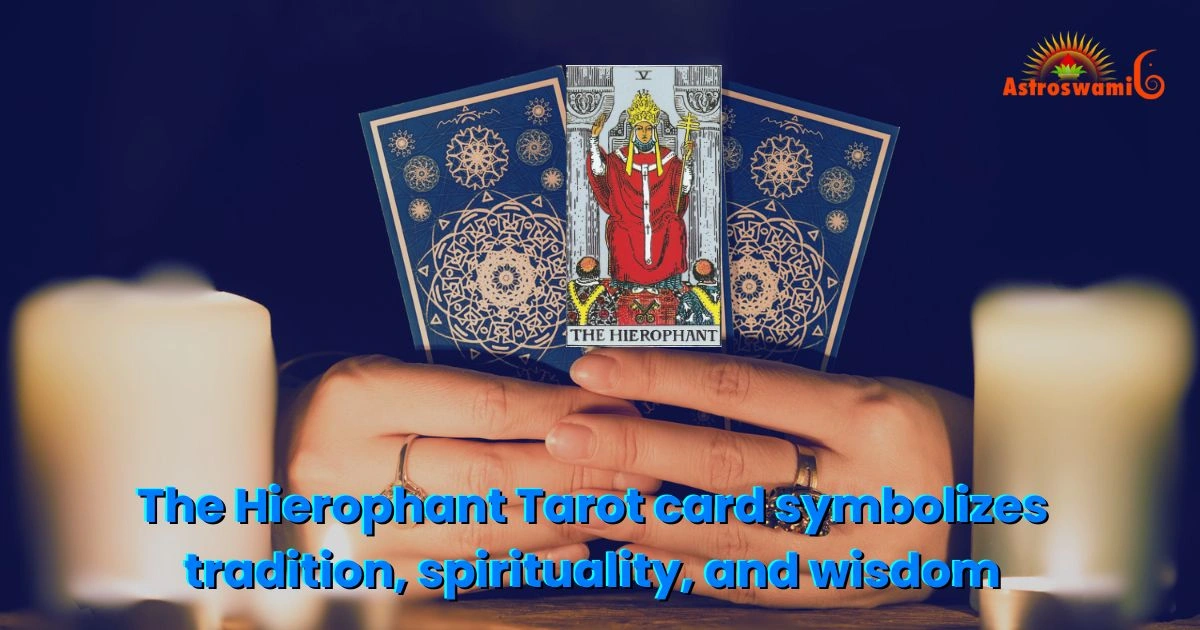
The Hierophant Tarot card symbolizes tradition, spirituality, and wisdom

The Hierophant tarot card, the fifth card in the Major Arcana, represents tradition, conformity, spiritual wisdom, and institutional knowledge. Often referred to as “The Pope” or “The High Priest” in some tarot decks, the Hierophant embodies teachings from established belief systems, acting as a bridge between divine wisdom and human understanding. In this article, we’ll explore the Hierophant’s symbolism, its spiritual and astrological associations, and what it reveals when it appears in various positions in a tarot reading.

The Structure of the Tarot and the Role of the Major Arcana

Before delving into the details of the Hierophant card, it’s essential to understand the structure of the tarot and the significance of the Major Arcana:Many people who study tarot alongside Vedic Astrology also prefer learning both systems together to understand deeper spiritual connections.

  • Major Arcana: Made up of 22 cards, the Major Arcana reflects life’s major themes, pivotal experiences, and spiritual archetypes. Each card offers profound insights into personal and universal growth.
  • Minor Arcana: Consisting of 56 cards divided into four suits (Cups, Pentacles, Swords, and Wands), the Minor Arcana deals with everyday experiences, challenges, and smaller themes.

As the fifth card of the Major Arcana, the Hierophant stands as a figure of spiritual wisdom, echoing universal truths through established systems of faith, culture, and morality. His teachings emphasize learning through tradition and adhering to values that provide a structured path toward spiritual growth. When seekers feel confused about spiritual decisions, they often prefer to talk to astrologer for clarity along with their tarot readings.

Visual Symbolism of the Hierophant Card

Each detail in the Hierophant card is rich with symbolism, carrying meanings that deepen our understanding of his role and message.

1. The Hierophant’s Pose and Robe

Typically depicted sitting on a throne in formal, often ecclesiastical attire, the Hierophant exudes a sense of authority and sacred wisdom. His robe often bears intricate patterns symbolizing knowledge, ritual, and spiritual discipline. This attire signifies his role as a teacher and moral guide, bridging the realms of the divine and the mundane.

2. The Triple Cross Staff

The Hierophant holds a triple cross staff, symbolizing his authority over the three realms: the physical, mental, and spiritual. The three bars on the staff also represent the Holy Trinity, highlighting his connection to religious doctrines and established spiritual truths. This staff serves as a symbol of divine authority and alignment with the cosmic laws that govern creation.

3. The Keys

Two crossed keys are often depicted at the Hierophant’s feet, representing access to spiritual knowledge and wisdom. These keys, commonly understood Some seekers also compare this symbolism with the unlocking of one’s destiny through kundali free prediction based on planetary energies.

4. The Supplicants

At the foot of the Hierophant, two supplicants (often monks or followers) kneel in reverence. This imagery reflects the tradition of passing down knowledge and the respect for those who have committed themselves to a spiritual path. Their presence represents the hierarchy of spiritual learning and the role of mentorship.

5. The Throne and Pillars

The Hierophant sits between two gray pillars, symbolizing stability and duality. These pillars echo the two contrasting forces of life, similar to the pillars seen in the High Priestess card. However, unlike the High Priestess, the Hierophant’s role is to teach, guide, and offer structure, emphasizing learning through established systems rather than intuitive wisdom.

The Meaning of the Hierophant in a Reading

The Hierophant’s primary role in a reading is as a messenger of traditional values, spiritual guidance, and formalized knowledge. His presence in a reading often suggests that a situation calls for structure, established practices, and guidance from conventional wisdom.

1. Tradition and Conformity

One of the central themes of the Hierophant card is tradition. This card encourages individuals to respect established systems, whether in the form of family traditions, religious beliefs, or cultural practices. The Hierophant suggests that there may be strength in following a conventional path, as these structures are built on time-tested wisdom.

2. Spiritual Guidance and Wisdom

As a spiritual leader, the Hierophant brings messages of divine wisdom and guidance. When this card appears, it may signify a need to seek counsel from a mentor, teacher, or spiritual advisor. It encourages individuals to learn from others’ experiences, acknowledging that spiritual growth often requires guidance from those with deeper knowledge.

3. Learning and Education

The Hierophant is also a card of education, representing formal learning and the pursuit of knowledge. This card may appear when a person is embarking on a journey of study, such as enrolling in a program, joining a group, or seeking to deepen their understanding of a specific topic. It signifies that learning within a structured setting can lead to valuable insights and personal growth.

4. Rules and Structure

The Hierophant is a symbol of the structures that provide order and stability in life. His appearance may indicate that a situation requires adherence to rules, social norms, or legal frameworks. It suggests that following established procedures may be beneficial, especially when facing uncertainty.

5. Religious and Moral Beliefs

On a deeper level, the Hierophant card represents a person’s moral and religious beliefs. It invites reflection on one’s values, ethics, and beliefs, encouraging alignment with core principles. This card calls for integrity, urging individuals to stay true to their spiritual beliefs while navigating life’s challenges.

The Hierophant Card in Different Positions

In tarot readings, the placement of the Hierophant card in a spread can significantly affect its interpretation.

1. Past Position

When the Hierophant appears in the past position, it often indicates that traditional beliefs or teachings have shaped one’s current circumstances. This card suggests that previous experiences with authority figures, family traditions, or educational institutions have influenced present-day decisions. Reflecting on how these influences shaped your current perspective can offer clarity and insight.

2. Present Position

In the present position, the Hierophant indicates that guidance from an established source or a need for structure may be relevant now. It encourages individuals to seek wisdom, embrace formal education, or consult a mentor to help navigate current challenges. This placement suggests that adherence to traditional methods and respect for time-honored practices could lead to positive outcomes.

3. Future Position

In the future position, the Hierophant signifies an upcoming period of learning, mentorship, or spiritual growth. This card suggests that guidance from a teacher or joining an organization may lead to valuable experiences. The Hierophant invites individuals to be open to guidance and recognize that growth may come from learning within a structured environment.

Reversed Hierophant: Breaking Free from Tradition

When the Hierophant appears reversed in a reading, it signals a departure from tradition, rebellion against conformity, or a challenge to established norms.

1. Questioning Authority and Tradition

A reversed Hierophant may suggest a questioning of authority or traditional beliefs. This card indicates a time when an individual may feel constrained by established structures and desires to break free. It encourages examining whether certain beliefs align with personal values or are imposed by societal expectations.

2. Seeking Personal Freedom

The reversed Hierophant reflects a need for personal freedom and authenticity. This card may indicate a time of exploring unconventional paths, experimenting with alternative beliefs, or embracing spiritual practices outside mainstream traditions. It suggests that an individual is seeking independence from conventional structures.

3. Rebellion Against Conformity

In some cases, the reversed Hierophant represents rebellion against societal norms and rules. It may signify resistance to authority or a challenge to traditions that no longer serve personal growth. This card encourages finding new ways to express individuality and standing firm in one’s beliefs.

Astrological and Spiritual Associations

The Hierophant card is closely linked to Taurus, the astrological sign known for stability, loyalty, and adherence to tradition.

Taurus: The Sign of Earthly Values

Taurus, ruled by Venus, is associated with grounded energy, stability, and an appreciation for the finer aspects of life. The association with Taurus reinforces the Hierophant’s themes of consistency, loyalty to established values, and an appreciation for rituals and structured practices. Taurus values persistence and dedication, which align with the Hierophant’s encouragement to follow a structured path for spiritual or personal growth.

Practical Applications of the Hierophant Card’s Lessons

The Hierophant card offers valuable guidance on how to incorporate its principles of structure, tradition, and wisdom into daily life:

1. Embrace Learning and Seek Mentorship

The Hierophant encourages individuals to pursue formal education, mentorship, or spiritual guidance. Whether through enrolling in a course, consulting a trusted advisor, or exploring spiritual teachings, learning from established sources can enrich your understanding and personal growth.

2. Find Strength in Tradition

The Hierophant’s message of tradition invites you to find strength in practices and beliefs passed down through generations. Engaging in rituals, whether family traditions, religious practices, or cultural celebrations, can provide a sense of belonging, continuity, and stability.

3. Align with Core Values

Reflecting on your moral and spiritual beliefs and aligning your actions with these core values is a key lesson from the Hierophant. This card encourages integrity, reminding you that staying true to your values enhances personal fulfillment.

4. Create Structure in Your Life

The Hierophant emphasizes the importance of structure and routine. Establishing a daily or weekly routine, setting goals, or creating a plan of action can provide stability and promote productivity. Structure brings clarity, reduces stress, and helps achieve long-term objectives.

5. Respect Authority and Rules

The Hierophant card underscores the value of respecting authority and following rules, particularly when these rules protect the well-being of a larger community. Recognize when following established guidelines can lead to positive results, and learn from those in positions of wisdom and authority.

The Hierophant is a symbol of tradition, wisdom, and the guidance found in structured teachings and institutions. This card emphasizes the importance of learning from established knowledge and understanding how traditional practices can foster spiritual and personal growth. Whether through education, mentorship, or adherence to one’s beliefs, the Hierophant guides individuals to honor their values and seek wisdom within established frameworks.


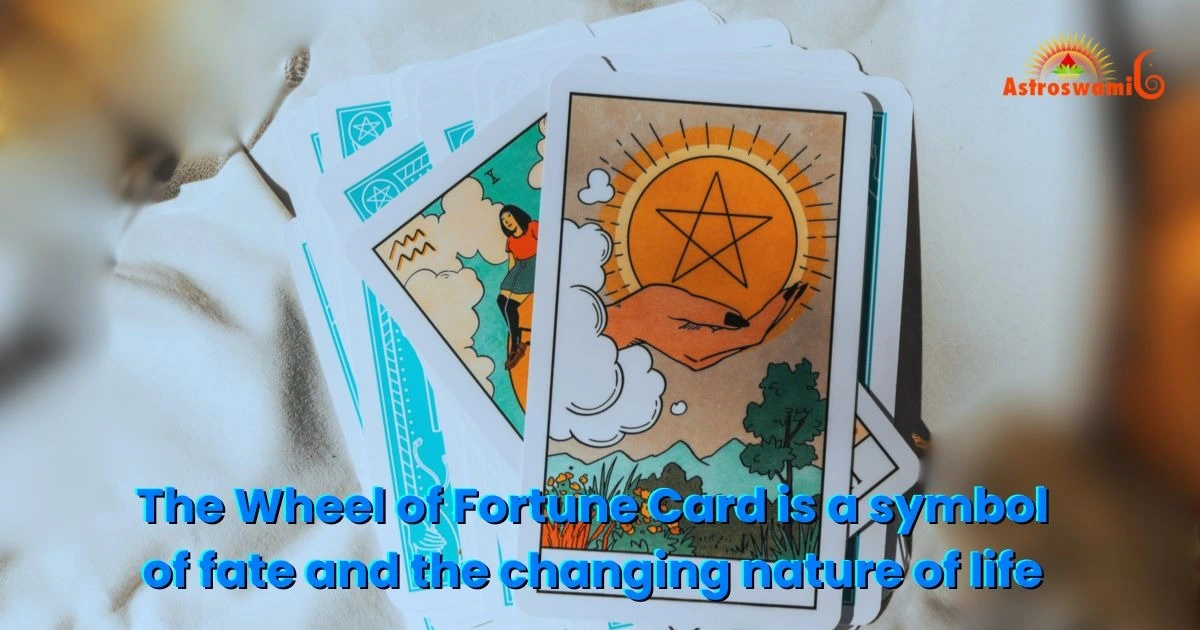
The Wheel of Fortune Card is a symbol of fate and the changing nature of life

The Wheel of Fortune is the tenth card in the Major Arcana of the Tarot deck. It is a powerful symbol of cycles, fate, and the ever-changing nature of life. The card represents the constant motion of the universe and reminds us of the unpredictability of life’s outcomes. As we explore the symbolism, interpretations, and deeper meanings behind this card, we will uncover its significance in various life situations and how it can guide us on our journey.

In this article, we will delve into the symbolism of The Wheel of Fortune, its meanings in different positions in a tarot reading, its astrological associations, and how it can provide valuable insights into how we interact with the forces of fate and destiny.  If you ever feel confused about these energies, you can explore guidance through astro chat for instant clarity.

Understanding the Structure of the Tarot Deck

Before we dive into the specifics of The Wheel of Fortune card, it’s helpful to understand the overall structure of the tarot deck. Many people even prefer to talk to astrologer while learning tarot because it connects cosmic energies with card meanings.

Major Arcana and Minor Arcana

  • Major Arcana: The Major Arcana consists of 22 cards, each representing a significant life event, spiritual lesson, or archetypal energy. These cards offer guidance on profound, transformative experiences.
  • Minor Arcana: The Minor Arcana consists of 56 cards divided into four suits—Cups, Pentacles, Swords, and Wands. These cards reflect the day-to-day experiences and challenges that shape our lives.

The Wheel of Fortune belongs to the Major Arcana, symbolizing fate, destiny, and the natural order of life.

Symbolism of The Wheel of Fortune Card

The Wheel of Fortune card is rich in symbolism, each element reflecting the themes of fate, cycles, and the forces that govern the universe. Understanding these symbols is key to unlocking the deeper meanings of the card.  Spiritual seekers often match this symbolism with their lagna kundali online to understand how fate cycles affect their personal journey.

1. The Wheel

The central image in the Wheel of Fortune card is, of course, the wheel itself. The wheel often appears as a large, circular shape, with spokes radiating outward. This wheel represents the cyclical nature of life—the constant turning of time, events, and circumstances. The wheel reminds us that life is in constant motion, and nothing remains stagnant for long.

The wheel can also represent the circle of life, emphasizing that our experiences, good or bad, are part of a larger, eternal cycle. Just as the wheel turns, so too do our fortunes, and life’s cycles come and go.

2. The Sphinx

Often depicted at the top of the wheel, a sphinx is a mythical creature that symbolizes knowledge and mystery. The sphinx’s presence on the Wheel of Fortune card is a reminder that fate is often an enigma. We can try to understand the cycles of life, but some things remain beyond our comprehension. The sphinx challenges us to embrace the mystery of life, rather than trying to control or predict every outcome.

3. The Four Creatures

In many depictions of the Wheel of Fortune card, four creatures—each representing the four fixed signs of the zodiac (Taurus, Leo, Scorpio, and Aquarius)—are shown around the wheel. These creatures represent the four corners of life, the four seasons, and the balance of the elements.

  • Taurus symbolizes stability and the grounding force in life.
  • Leo represents vitality, courage, and the energy of action.
  • Scorpio symbolizes transformation and rebirth.
  • Aquarius embodies change, innovation, and the unpredictable forces of the universe.

These four creatures signify the interconnectedness of all things and the cyclical nature of existence.

4. The Tapestry of Life

The Wheel of Fortune card often features intricate designs that resemble a tapestry or intricate pattern. This represents the interconnectedness of all events, emphasizing that our lives are part of a greater fabric that is constantly weaving new experiences. Every action, decision, and event in life creates ripples that affect the larger picture.

5. The Clouds and the Planets

In some tarot depictions, the Wheel of Fortune is surrounded by clouds and planets, emphasizing the role of divine influence and cosmic forces in shaping the flow of events. The presence of planets suggests that our fate is not entirely within our control, and external forces, such as time and destiny, play a significant role in shaping our lives.

The Meaning of The Wheel of Fortune Card

The Wheel of Fortune card is traditionally associated with change, cycles, and the concept of fate. It represents the ebb and flow of life’s fortunes, reminding us that life is not static but rather ever-changing. Whether the wheel turns in our favor or against us, it is a constant reminder that change is inevitable.

Let’s explore the main themes of The Wheel of Fortune card in detail:

1. Cycles and Change

At its core, The Wheel of Fortune is a card of cycles and change. Life is in constant motion, and circumstances are always shifting. This card emphasizes that both good and bad times are temporary, and we should learn to accept the ebb and flow of life.

When The Wheel of Fortune appears in a reading, it often signals that a new cycle is beginning or an existing one is coming to a close. The wheel turning represents a significant change, a turning point in life, or a time of transition. It is a reminder that life is dynamic, and we must be adaptable to the inevitable changes that come our way.

2. Fate and Destiny

The Wheel of Fortune card is strongly associated with fate and destiny. It suggests that there are forces at play beyond our control that shape the course of our lives. This can be both empowering and humbling. On one hand, it reminds us that there are aspects of life that we cannot control; on the other hand, it shows us that we are part of a larger cosmic plan.

The Wheel of Fortune can indicate that destiny is at work in a situation, guiding events in a way that is beyond our comprehension. This can be a time when opportunities present themselves unexpectedly, and we are asked to trust the flow of events, even if we don’t fully understand them.

3. Luck and Fortune

This card is often associated with luck, fortune, and chance. It can represent a fortunate turn of events, a breakthrough, or the end of a period of bad luck. When the Wheel of Fortune appears in a positive position in a reading, it can suggest that the wheel is turning in your favor, and opportunities are coming your way.

However, the card also serves as a reminder that luck can be fleeting. Just as the wheel can bring good fortune, it can also bring challenges. This card invites us to be prepared for the cycles of fortune, accepting both the highs and the lows that come our way.

4. Karma and The Law of Cause and Effect

The Wheel of Fortune is also associated with the concept of karma and the law of cause and effect. The actions we take today create the conditions for our future, and this card reminds us of the interconnectedness of our decisions.

In a reading, The Wheel of Fortune can signify a time when the consequences of past actions are being realized. If you have worked hard and made positive decisions, this card can signify a time of reaping rewards. Conversely, if you have made negative choices, the wheel may bring challenges or lessons to help you grow and learn from those experiences.

5. External Forces and Cosmic Timing

While The Wheel of Fortune is associated with change, cycles, and karma, it is also linked to the concept of cosmic timing. Sometimes, things happen at the right moment in time, as if guided by a higher force. This card suggests that there are external influences, whether they are divine, cosmic, or universal, that are in control of timing and unfolding events.

When The Wheel of Fortune shows up in a reading, it may indicate that the universe is aligning to bring about a new chapter in your life. It’s a reminder to trust that things are happening for a reason, even if you can’t see the full picture right now.

The Wheel of Fortune in Different Positions

In tarot readings, the position of the Wheel of Fortune card can influence its meaning. Let’s explore what The Wheel of Fortune might mean when it appears in different positions of a tarot spread.

1. Past Position

When The Wheel of Fortune appears in the past position, it often indicates that you have experienced a significant change or turning point in your life. This could be a pivotal moment that set the course for your current path. It may also suggest that your past actions or decisions have led to the current situation you find yourself in.

2. Present Position

In the present position, The Wheel of Fortune suggests that change is happening now, or is about to occur. It indicates that you are in the midst of a transition, and the wheel is turning in your favor. The card may suggest that now is a time to embrace the flow of events and allow yourself to be guided by the forces of fate.

3. Future Position

When The Wheel of Fortune appears in the future position, it signifies that a major shift is on the horizon. This can represent a time of transformation, when a new cycle of life begins. The card suggests that you should be open to the upcoming changes, as they could bring new opportunities or insights into your life.

Reversed Wheel of Fortune: Resistance to Change

When The Wheel of Fortune card appears in reverse, its meaning can take on a different tone. While the upright card suggests change and fortune, the reversed Wheel can indicate resistance to change, a lack of control, or a period of bad luck.

1. Resistance to Change

The reversed Wheel of Fortune can suggest that you are resisting the changes that are taking place in your life. You may be holding on to old habits, beliefs, or situations, preventing you from moving forward. This resistance can block your growth and cause frustration.

2. Bad Luck or Setbacks

The reversed Wheel of Fortune can also indicate a period of bad luck or misfortune. You may be experiencing a time when things aren’t going as planned, and the forces of fate seem to be working against you. However, this card is a reminder that, like all cycles, this period will eventually pass.

3. Delays and Timing Issues

In the reversed position, The Wheel of Fortune may also point to delays or issues with timing. You may be feeling like things are not happening according to plan or that opportunities are slipping through your fingers. Patience and understanding of divine timing can help you navigate this period.

The Wheel of Fortune tarot card is a profound symbol of the cycles of life, the forces of fate, and the ever-changing nature of existence. It teaches us that life is in constant motion, and every experience, whether good or bad, is part of a larger pattern of growth and transformation.
Astrological analysis of Shivam Dube horoscope

Shivam Dube, born on June 26, 1993, is an exceptional talent in Indian cricket, known for his all-rounder capabilities and his fearless approach. His journey reflects resilience and the spirit of overcoming hurdles. Through astrology, we can explore the planetary influences that have shaped Shivam’s personality, strengths, and career trajectory. This article delves into the astrological facets that influence Shivam Dube’s life and cricketing prowess.

Birth Chart Overview

Shivam’s natal chart highlights his personality and his drive to push boundaries. With the Sun in Cancer and significant planetary influences across various signs, Shivam’s chart reflects a blend of ambition, emotional depth, and intellectual curiosity. Each celestial body in his chart contributes to his skills, determination, and approach to life.

Sun in Cancer: Sensitivity and Loyalty

Shivam Dube’s Sun in Cancer contributes key qualities that make him a unique personality on and off the cricket field. Cancer, a water sign ruled by the Moon, brings a strong intuitive, nurturing, and resilient energy. These traits shape Shivam’s approach to teamwork, his ambition, and his interactions.

  1. Protective and Supportive Nature
    Cancer individuals are naturally protective, and Shivam carries this quality into his cricketing career. His loyalty toward his team and his desire to contribute meaningfully to his team’s success is evident in his game. He puts the team’s goals above his own and values the support of his teammates.
  2. Emotional Strength
    Cancer is known for its emotional depth, and Shivam’s Sun here gives him resilience. This allows him to face challenges with determination, especially in high-pressure games. Emotional strength is a key component of his personality, helping him handle the highs and lows of a cricket career.
  3. Adaptability
    Cancer, being a cardinal sign, encourages Shivam’s ability to initiate change when needed. This makes him adaptive, allowing him to handle different roles, whether as a powerful batsman or a disciplined bowler.

Moon in Scorpio: Intensity and Determination

The Moon represents our inner emotions, instincts, and what we need for emotional fulfillment. Shivam’s Moon in Scorpio, a water sign ruled by Mars and Pluto, gives him a profound intensity, tenacity, and the drive to confront challenges head-on.

  1. Passionate and Driven
    A Scorpio Moon fuels Shivam’s passion for his sport, often giving him an edge when it comes to perseverance and resilience. His deep commitment to cricket reflects his desire to rise above any obstacles that come his way.
  2. Inner Resilience and Emotional Toughness
    The Scorpio Moon offers the capacity to rebound from setbacks. When faced with challenges, Shivam’s emotional resilience allows him to overcome disappointments and keep pushing forward, making him a formidable opponent.
  3. Powerful Intuition
    Scorpio is also known for intuition, and Shivam’s Moon in this sign enhances his ability to read situations and understand his opponents’ strategies. This intuition allows him to make split-second decisions, enhancing his performance.

Mars in Aries: Drive and Action-Oriented Approach

Mars, the planet of energy, drive, and aggression, finds its natural home in Aries, a fire sign it rules. Shivam’s Mars in Aries enhances his boldness, confidence, and fearless attitude on the cricket field.

  1. Aggressive Play Style
    Mars in Aries brings a competitive edge, making Shivam a powerful and fearless player. Whether it’s hitting big shots or delivering decisive balls, this placement fuels his willingness to take risks and play with intensity.
  2. Determination and Self-Motivation
    Aries energy pushes Shivam to pursue his goals with dedication. He thrives on challenges and constantly seeks to outdo himself. His desire to be at his best is driven by Mars in Aries, a placement known for ambition and self-assurance.
  3. Fast Recovery
    Aries, being a fire sign, also supports a quick recovery from physical exertion and emotional strain. This serves Shivam well, allowing him to bounce back quickly from both physical demands and game setbacks.

Mercury in Gemini: Quick-Witted and Strategic Thinker

Mercury, the planet of communication and intellect, is placed in Gemini, an air sign known for its adaptability, curiosity, and quick thinking.

  1. Tactical and Strategic Mindset
    Mercury in Gemini gives Shivam an analytical mind, allowing him to strategize effectively. He can quickly adapt to new strategies on the field, which is vital in a game that demands fast thinking and strategic adjustments.
  2. Effective Communication
    Gemini is an expressive sign, and Mercury’s influence here grants Shivam strong communication skills. This ability to communicate helps him work well with teammates, sharing insights and feedback that benefit the team’s dynamics.
  3. Curiosity and Willingness to Learn
    Gemini’s intellectual curiosity ensures that Shivam is always learning and adapting. He is likely interested in studying opponents’ playing styles and enhancing his skills, making him versatile and prepared for various cricketing challenges.

Jupiter in Virgo: Practicality and a Growth-Oriented Mindset

Jupiter, the planet of expansion and growth, finds itself in Virgo in Shivam’s chart. Virgo is an earth sign known for its precision, diligence, and methodical approach.

  1. Focus on Improvement
    Jupiter in Virgo encourages a detail-oriented and practical mindset. Shivam’s dedication to constant improvement is seen through his disciplined approach to practice, working on every aspect of his game with diligence.
  2. Emphasis on Physical Fitness
    Virgo emphasizes health and physical well-being, and Jupiter here highlights Shivam’s commitment to fitness. This focus on staying in peak physical condition is essential for a demanding cricket career and contributes to his agility and endurance on the field.
  3. Analytical Abilities
    Virgo’s influence makes Shivam meticulous and analytical. He is able to assess his performance and identify areas for improvement, which helps him make significant strides in his cricketing career over time.

Venus in Taurus: Strong Values and Determination

Venus, the planet of values, relationships, and aesthetics, is placed in Taurus, an earth sign ruled by Venus itself. This placement provides Shivam with stability, dedication, and a practical approach to his career.

  1. Loyalty and Reliability
    Taurus is known for its loyalty and dependability, and Venus in this sign makes Shivam a trustworthy teammate. He values strong relationships and is dedicated to building connections with his team and support network.
  2. Financial Savvy
    Venus in Taurus also indicates an appreciation for financial stability. Shivam is likely mindful of his earnings and approaches financial matters with care, ensuring that his career provides long-term security.
  3. Appreciation for the Finer Aspects of Life
    Taurus appreciates comfort and beauty, which suggests Shivam enjoys life’s pleasures outside of cricket. This balance between work and personal life adds depth to his character, helping him stay grounded.

Saturn in Aquarius: Discipline and Vision for the Future

Saturn, the planet of discipline and responsibility, is placed in Aquarius, an air sign associated with innovation, humanitarianism, and a vision for the collective good.

  1. Commitment to Discipline
    Saturn’s influence in Aquarius enhances Shivam’s dedication to discipline, instilling a strong sense of responsibility toward his career. His work ethic is driven by a desire to contribute meaningfully and leave a lasting impact on the sport.
  2. Open-Minded and Forward-Thinking
    Aquarius is known for its innovative spirit, and Saturn here makes Shivam receptive to new ideas and approaches. He is likely interested in adopting new strategies, using technology, and remaining open to progressive methods that can improve his game.
  3. Focus on Collective Success
    Aquarius energy is associated with collective success, and Shivam’s Saturn here encourages him to work not just for personal achievement but for the greater good of the team. He values collective growth, which makes him an ideal team player.

Rahu in Aries: Quest for Personal Achievement

Rahu, the North Node of the Moon, is positioned in Aries in Shivam’s chart. Rahu represents desires, ambition, and often unconventional paths.

  1. Bold Ambitions
    Rahu in Aries amplifies Shivam’s ambition, pushing him to pursue success aggressively. This placement fuels his desire to make a mark in cricket, encouraging him to aim for new heights.
  2. Unconventional Path
    Rahu’s influence often leads individuals down unique paths. Shivam’s journey in cricket, marked by challenges and breakthroughs, reflects Rahu’s energy, which inspires a fearless approach and a willingness to take calculated risks.
  3. Desire for Recognition
    Aries’ influence on Rahu also suggests a desire for recognition. Shivam strives to establish himself as a notable player, driven by a need for acknowledgment and appreciation in the cricket world.

Shivam Dube’s astrological chart provides valuable insights into his journey, strengths, and motivations. His Sun in Cancer imbues him with emotional depth and loyalty, making him a supportive team player. The Scorpio Moon fuels his intensity and resilience, allowing him to face challenges head-on, while Mars in Aries drives his bold and fearless approach.