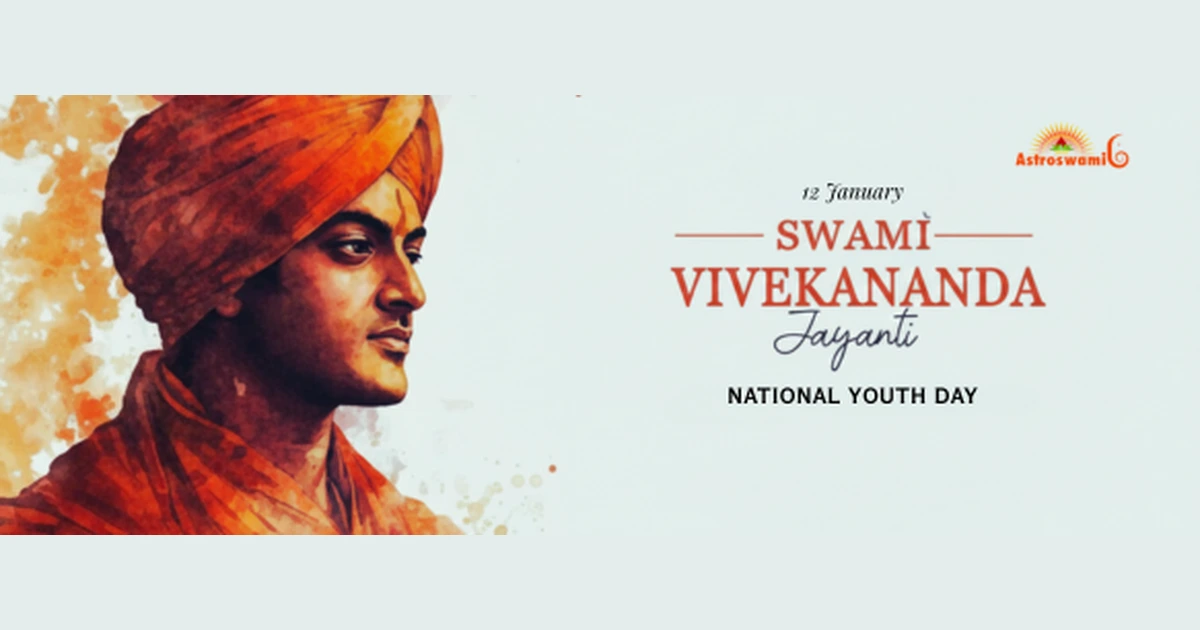
Swami Vivekananda Horoscope

Swami Vivekananda Jayanti is observed annually on January 12 commemorating the life of an esteemed Indian philosopher and spiritual leader. Than merely marking his birth, people also acknowledge his influence on concepts related to religion, community and selfhood. He was an advocate of Vedanta and Yoga, promoting ideas of human unity, self-awareness and patriotism. Many people even explore Swami Vivekananda horoscope to understand the astrological significance of his extraordinary intellect and spiritual depth. Since his teachings continue to inspire people globally, this day serves as an opportunity to reflect, contemplate or simply experience a sense of connection.

Early Life and Spiritual Awakening

Swami Vivekananda was born Narendranath Datta on January 12, 1863 in Kolkata, previously known as Calcutta, growing up in a Bengali family. His father, Vishwanath Datta, was a lawyer while his mother, Bhuvaneshwari Devi, was deeply religious and devoted. From an early age Narendra was notable for his keen intellect and thirst for knowledge. Due to his intellect combined with a profound passion for inner development, he explored numerous topics including historical events, significant concepts, literature and spiritual matters. Today individuals researching notable personalities like him examine their free janam kundali to uncover insights about character, life journey and spiritual tendencies, and many also search for details such as Swami Vivekananda zodiac sign to understand the astrological traits associated with his remarkable personality..

Narendra began his journey at the age of eighteen upon encountering his guru, Swami Ramakrishna Paramahamsa. Regarded as a mystic, Ramakrishna significantly influenced Narendra’s perspectives. Encouraged by his mentor, Narendra realized that all religions have an essence the firsthand encounter with the divine. This profound change altered his course, transforming him into Swami Vivekananda. Before long, he journeyed extensively, spreading his teacher’s teachings while emphasizing strength, compassion and the pursuit of truth. Even today, people studying his life often explore Swami Vivekananda horoscope to understand the spiritual depth and destiny reflected in his remarkable journey.

The Chicago Parliament of Religions (1893)

A major milestone for Swami Vivekananda took place in 1893 when he delivered an address at a religious conference in Chicago. That speech gained notoriety due, to its insight, inclusivity and emotional impact. Than starting abruptly he began with “Sisters and brothers of America ” immediately engaging the audience. What came next emphasized mutual respect among beliefs embracing all and valuing each religious tradition.

During that speech Vivekananda revealed to the audience the true essence of Hinduism on a spiritual plane. He emphasized that every person holds an element within. Additionally he pointed out the connections among various religions. Than pursuing material riches he advocated for personal spiritual development. His message resonated immediately with listeners facilitating a bridge, between Western philosophies. Consequently he rapidly earned esteem in the global spiritual community.

Philosophy and Teachings

Swami Vivekananda conveyed ideas that proved effective in everyday life. Since he emphasized understanding your self, he was convinced that individuals could accomplish remarkable feats. Regarding confronting difficulties, he valued bravery above all. These concepts summarize the essence of his teachings, and many scholars today even explore Swami Vivekananda birth chart analysis to understand the spiritual strength and fearless nature reflected in his life.

1. Unity of All Religions

Vivekananda advocated for honoring all religions. He viewed each faith as a path leading to a single truth. Whenever he could he would express that no religion is superior to another long as it is grounded in kindness, compassion and truthfulness. In essence: while differences may be present fundamentally everyone possesses the core. Embracing this unity, within diversity defined his teachings.

2. Self-Reliance and Strength

One of Vivekananda’s most famous quotes is, “Arise, awake, and stop not until the goal is reached.” However he wasn’t merely promoting motivation. He firmly believed in determination. Than relying on assistance he encouraged people to discover bravery inside themselves.. Success? He believed these should not depend on another person. During that era while governed by the British Indians frequently questioned their capabilities. Thus his words ignited a flame at the crucial moment. 

His words ignited a crucial flame, and even today people explore Swami Vivekananda horoscope to understand the inner strength and destiny reflected in his life.

3. Service to Humanity

Vivekananda conveyed that spiritual growth involved more than quiet reflection or introspection it equally required aiding others. According to him genuine faith is demonstrated through your actions toward those who are facing hardships or are marginalized. For Vivekananda finding your lifes mission involved dedicating your time to assist those in distress. This principle of helping without anticipating any reward became a core value of the Ramakrishna Mission, the organization he founded which continues its support, for communities today.

4. The Power of Yoga

Vivekananda brought Yoga into prominence again in times. It wasn’t, about physical stretches Yoga involved calming the mind acting ethically towards others and maintaining dedication. By emphasizing peace or selfless service he demonstrated how Yoga integrates into everyday life. His interpretation changed how people globally perceived Yoga.

5. Education and Nation-Building

Swami Vivekananda viewed the progress of the nation as deeply connected to the empowerment of people. For this reason he advocated education grounded in India’s traditions and values. He emphasized not intellectual development but also the importance of moral character. Along with enhancing the mind fostering the soul was crucial. At the 1897 Congress gathering, in Madras. Chennai. He gave a compelling speech encouraging youth to spearhead reform initiatives.

 

Impact on India and the World

Swami Vivekananda’s impact on India was profound. In a time when the country was under British colonial rule, Vivekananda’s teachings ignited a sense of pride and self-respect in the hearts of millions of Indians. His message was not just one of spirituality but also of social change, calling for the eradication of social evils such as untouchability, caste discrimination, and gender inequality.

His reflections on education, self-reliance and national pride impacted personalities like Subhas Chandra Bose, Aurobindo Ghosh well as Mahatma Gandhi. Established by Vivekananda the Ramakrishna Mission contributed to uplifting marginalized communities via initiatives in addition, to educational programs. Today it runs health centers, schools and disaster relief operationsnot only within India but internationally as well. Even today, people refer to Swami Vivekananda horoscope to gain insight into the qualities and destiny that guided his remarkable life.

Vivekananda gained recognition as a prominent spokesperson for Asian philosophy and wisdom. During the World Parliament of Religions his speeches along with his writings and presentations introduced Indian concepts such as Vedanta, Yoga and Buddhist principles to Western audiences in Europe and America. Many regard him as a bridge between two civilizations fostering respect, among cultures and encouraging personal development.

Swami Vivekananda Jayanti Today

January 12 is celebrated as Swami Vivekananda Jayanti across the country and internationally. Schools and institutions organize events honoring his life and teachings. Spiritual organizations conduct lectures or meditation sessions centered around his philosophy, and many people are already looking forward to Swami Vivekananda Jayanti 2026 to celebrate his timeless wisdom with even greater enthusiasm.

This day is designated National Youth Day by the government because Vivekananda was profoundly concerned with empowering young people. His thoughts remain relevant today as modern youth face challenging personal and societal problems. His confidence, in the potential of minds continues to motivate new generations to take initiative.

Swami Vivekananda Jayanti is not merely a celebration of the birth of a spiritual leader. Rather, it serves as an opportunity to contemplate his impact on India’s mindset, ethos and community, as well as his worldwide influence. His path provided guidance in periods, demonstrating to people how to overcome uncertainties and aspire for greatness. Due to his emphasis on service, embracing all faiths, and believing in the inner strength of each individual, countless individuals continue to draw inspiration from him today. Many also explore Swami Vivekananda horoscope to gain insight into the astrological aspects behind his extraordinary personality. When this day comes around, it brings back why his words never fade they nudge us toward meaning, kindness, and quiet courage.

Also Read :-Yearly Horoscope 2026 Astrology Predictions for 12 Zodiac Signs
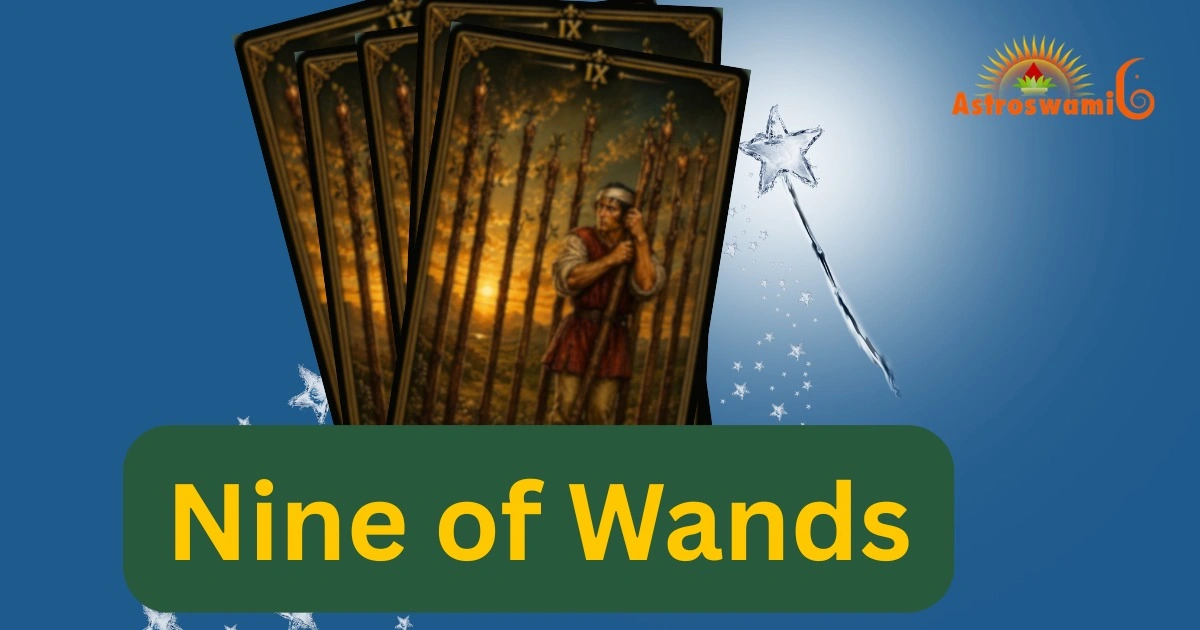
The Nine of Wands symbolizes determination and persistence in challenges

The Nine of Wands is a card that embodies resilience, determination, and the power to persevere despite challenges. As the ninth card in the Wands suit, it reflects the essence of the Fire element, representing energy, willpower, and creativity. This card tells a story of struggle and the strength required to overcome obstacles, often showing a figure battered but not defeated. It encourages us to hold our ground, stay vigilant, and trust in our inner fortitude.

Astrologically, the Nine of Wands aligns with the traits of Fire signsAries, Leo, and Sagittarius—and planetary energies such as Mars and Saturn, which govern endurance and discipline. This card’s message is universal, speaking to our ability to rise above adversity, protect what we’ve built, and prepare for the final push toward success.

In this article, we will delve into the Nine of Wands’ symbolism, astrological connections, and interpretations in various life contexts, including career, relationships, and spiritual growth.

Symbolism of the Nine of Wands

The Nine of Wands typically depicts a wounded figure standing guard with a wand in hand, surrounded by eight wands in the background. Despite their injuries, the person is vigilant and ready to face any further challenges.

Key Symbols and Their Meanings:

  • The Wounded Figure: Represents strength in adversity, showing that past struggles have built resilience.
  • The Wands: Stand for the lessons learned, experiences gained, and the barriers erected for protection.
  • Bandage: Symbolizes past battles and the scars that serve as reminders of resilience.
  • Defensive Posture: Indicates caution, vigilance, and preparedness for what’s to come.

The imagery encapsulates the themes of perseverance, inner strength, and the determination to stand firm even when faced with repeated challenges.

Astrological Associations of the Nine of Wands

Element: Fire

The Fire element governs the Nine of Wands, emphasizing passion, drive, and the energy needed to face obstacles. Fire’s dynamic nature highlights the courage and determination required to push forward, even when the odds seem daunting.

Zodiac Signs: Aries, Leo, and Sagittarius

Each of the Fire signs adds its unique energy to the Nine of Wands:

  • Aries: The Warrior
    Aries represents courage, initiative, and the will to fight through adversity. The Nine of Wands embodies Aries’ relentless energy and refusal to back down from a challenge.
  • Leo: The Protector
    Leo, ruled by the Sun, brings the qualities of loyalty, pride, and the drive to safeguard what is cherished. The Nine of Wands mirrors Leo’s protective instincts and determination to defend accomplishments.
  • Sagittarius: The Visionary
    Sagittarius contributes optimism and the ability to see the bigger picture. This sign’s influence encourages resilience by focusing on long-term goals rather than immediate struggles.

Planetary Influences: Mars and Saturn

  • Mars governs courage, action, and the drive to confront challenges. Its influence highlights the card’s themes of bravery and defense.
  • Saturn, the planet of discipline and endurance, emphasizes perseverance and the lessons learned through hardship.

Numerology of the Nine

In numerology, the number nine represents completion and the final stages of a cycle. It signifies the culmination of effort and the preparation for a new beginning. The Nine of Wands reflects this energy by symbolizing the last push before achieving a goal or reaching closure.

Interpretations of the Nine of Wands

Upright Meaning

When the Nine of Wands appears upright in a Tarot reading, it serves as a message of resilience, determination, and vigilance. It acknowledges past struggles while encouraging the querent to hold their ground and prepare for the final challenge.

Key Upright Themes:

  • Resilience: Drawing on inner strength to face challenges.
  • Preparedness: Being vigilant and ready for potential obstacles.
  • Courage: Standing firm despite past hardships.
  • Protection: Safeguarding what you’ve worked hard to achieve.

Reversed Meaning

In its reversed position, the Nine of Wands can signify burnout, overwhelm, or a sense of hopelessness. It may also point to unnecessary defensiveness or reluctance to let go of past wounds.

Key Reversed Themes:

  • Exhaustion: Feeling drained or unable to continue.
  • Overdefensiveness: Building walls that prevent growth or connection.
  • Reluctance: Struggling to release past pain or experiences.
  • Fear of Failure: Doubting one’s ability to overcome challenges.

The Nine of Wands in Various Contexts

Career and Finances

In career readings, the Nine of Wands often appears during challenging times, signaling the need to persevere and stay committed. It encourages resilience and preparation for potential hurdles.

Career Advice:

  • Stay vigilant in the face of workplace challenges or competition.
  • Reflect on past experiences to find solutions to current issues.
  • Protect your achievements but remain open to growth opportunities.

Financial Advice:

  • Be cautious with financial decisions, especially during uncertain times.
  • Learn from past mistakes and avoid unnecessary risks.
  • Maintain a budget and build a safety net for unforeseen expenses.

Love and Relationships

In love readings, the Nine of Wands highlights the importance of resilience and mutual support in relationships. It can indicate the need to overcome past wounds to build a stronger connection.

For Singles:
The card may point to lingering trust issues or emotional scars from previous relationships. It encourages healing and cautious optimism in pursuing new connections.

For Couples:
The Nine of Wands suggests that a relationship may be going through a tough phase. It advises partners to work together to overcome challenges and strengthen their bond.

Spirituality and Personal Growth

Spiritually, the Nine of Wands signifies the importance of perseverance on the path to enlightenment. It reminds you to trust in your strength and continue seeking growth, even when the journey feels difficult.

Advice for Spiritual Growth:

  • Draw strength from past lessons and experiences.
  • Protect your energy from negativity and distractions.
  • Cultivate patience and trust in your spiritual journey.

Astrological Houses and the Nine of Wands

The Nine of Wands resonates with certain astrological houses that emphasize struggle, resilience, and the will to overcome:

  • 1st House: Self and Identity
    Represents personal resilience and the courage to face life’s battles.
  • 6th House: Work and Health
    Highlights perseverance in daily routines and managing challenges related to work or well-being.
  • 8th House: Transformation and Endurance
    Reflects the transformative power of struggle and the strength gained through adversity.

Life Lessons from the Nine of Wands

The Nine of Wands teaches us that resilience is a cornerstone of success and growth. It reminds us that while challenges may be exhausting, they also build strength, character, and wisdom.

Key Takeaways:

  • Every struggle is an opportunity to grow stronger.
  • Vigilance and preparedness can prevent unnecessary setbacks.
  • Past wounds should guide us, not define us.
  • Perseverance is the key to triumph.

Relevance of the Nine of Wands in Modern Life

In today’s fast-paced and demanding world, the Nine of Wands serves as a reminder to pause, protect our energy, and remain steadfast in the face of challenges. Whether in career, relationships, or personal growth, this card emphasizes the importance of resilience and vigilance.

The Nine of Wands is a testament to the human spirit’s ability to endure and overcome. Its astrological connections to the Fire signs, Mars, and Saturn highlight its themes of courage, determination, and endurance. Whether upright or reversed, the card speaks to the power of resilience and the importance of learning from past experiences.

Secrets of the Moon Card Illusions and Inner Wisdom

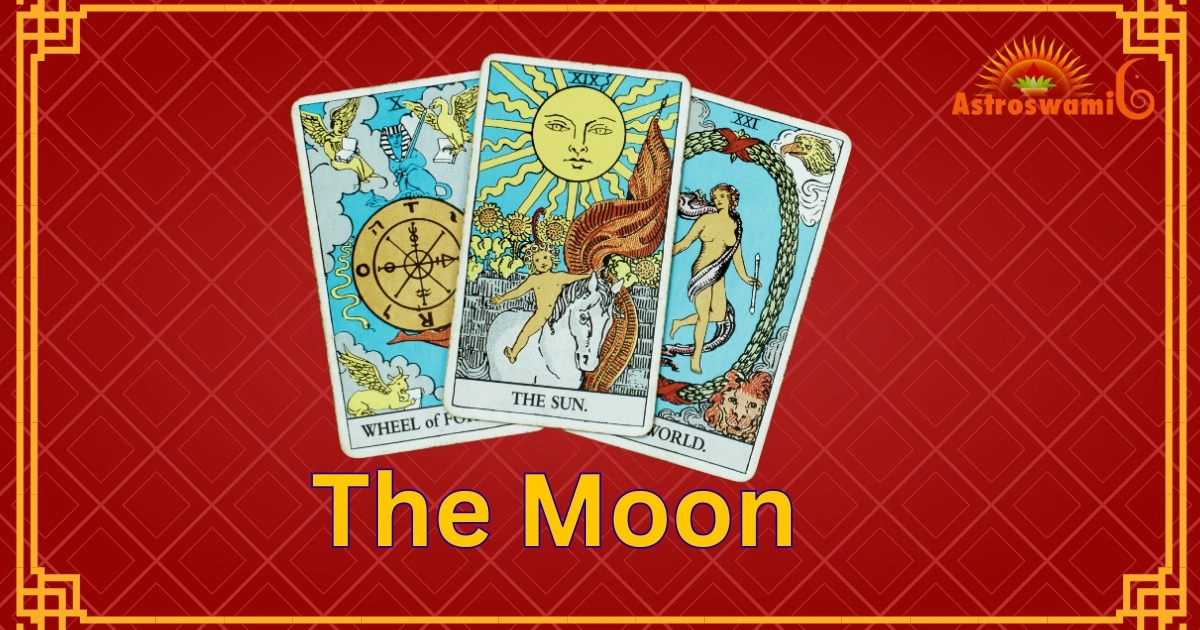
The Moon Tarot card is one of the most enigmatic and complex cards in the deck, symbolizing intuition, illusion, and the hidden realms of the subconscious mind. Positioned in the later stages of the Major Arcana (as the 18th card), The Moon invites us to delve deeper into our inner landscape, confronting fears, exploring dreams, and navigating the world of mystery and hidden truths.

Astrologically associated with the Moon, this card reflects the lunar qualities of introspection, emotional depth, and intuition. Just as the moon’s light is a reflection of the sun’s, The Moon Tarot card symbolizes the parts of ourselves that are not fully seen in the daylight—our subconscious desires, instincts, and fears. Let’s dive into the symbols, interpretations, and wisdom The Moon offers in readings.

1. Symbolism of The Moon Tarot Card

In most Tarot decks, The Moon card presents a hauntingly beautiful night scene featuring a large, glowing moon suspended in the sky. The imagery on this card speaks to the mystery and allure of the unknown, the subconscious, and the shadow self.

Key Symbols in The Moon Card:

  • The Moon Itself: The central figure of the card is the moon, which is often depicted as both a full and crescent shape to highlight its dual nature of illumination and shadow. The moon symbolizes emotions, intuition, and the subconscious mind. It is a source of light in darkness, guiding us through the unknown.
  • The Dog and the Wolf: Often seen howling beneath the moon, the dog and the wolf represent our tame and wild sides, respectively. Together, they highlight the contrast between the domesticated, familiar parts of ourselves and the wild, instinctual aspects that lie beneath the surface.
  • The Crawling Lobster: Emerging from the water, the lobster (or crab in some decks) represents primal instincts and the journey from the depths of the subconscious toward the conscious mind. It’s a symbol of evolution, urging us to explore the hidden depths of our psyche.
  • The Path: The winding path that leads from the water into the mountains signifies a journey of spiritual awakening. It suggests that navigating the unknown may be challenging but ultimately leads to higher consciousness and self-discovery.
  • The Towers: The two towers on either side of the path act as guardians or thresholds, marking the transition from one realm to another. They represent the boundaries between the conscious and subconscious worlds, encouraging us to venture into the unknown while providing a structure for our journey.

2. Numerology and Astrological Associations of The Moon

Numerology: The Moon is the 18th card in the Major Arcana. When reduced (1 + 8), it yields the number 9, a number often associated with spiritual fulfillment, wisdom, and the end of a journey. In the context of The Moon, this connection to the number 9 signifies the culmination of emotional cycles and the quest for deeper understanding. It encourages us to reach a stage of self-awareness and to trust our intuition.

Astrological Association: The Moon card is associated with the astrological Moon itself, which rules over Cancer. The Moon in astrology governs our emotional responses, instincts, and the inner world. Like Cancer, The Moon card emphasizes intuition, sensitivity, and the impact of the past. It embodies the qualities of mystery, fluctuation, and the powerful pull of emotions, much like the moon’s effect on tides and cycles.

3. The Moon Tarot Card in Readings: Upright Meaning

When The Moon appears upright in a Tarot reading, it often signifies a time of introspection, heightened intuition, and exploration of the unknown. This card encourages us to pay attention to our dreams, subconscious messages, and the aspects of our lives that may be shrouded in uncertainty or illusion.

Key Upright Meanings:

  • Intuition and Psychic Abilities: The Moon card can indicate an increase in intuitive insights or psychic experiences. It’s a reminder to trust our inner voice, as it may reveal insights that aren’t visible on the surface.
  • Illusions and Deception: The Moon warns that not everything is as it seems. There may be elements of deception, hidden motives, or confusion at play. It encourages one to look beyond appearances and question what’s true and what may be an illusion.
  • Emotional Complexity: The Moon is deeply connected to the emotional realm and often indicates a time of intense feelings. It suggests exploring these emotions rather than ignoring them, as they hold valuable insights about our true desires and fears.
  • Exploration of the Subconscious: The Moon card is an invitation to delve into the subconscious mind, exploring dreams, fears, and instincts. It encourages understanding oneself on a deeper level, particularly by confronting unresolved issues.
  • The Call to Follow Intuition: When The Moon appears, it’s an encouragement to trust intuition over logic. There may be hidden information or insights that can only be accessed by tuning into one’s intuitive side.

The Moon card sometimes works through hidden anxieties or subtle bodily signals. In astrology, a similar phenomenon is associated with left eye blinking for men, which people interpret as a sign of emotions, fears, and upcoming events

4. The Moon Tarot Card in Readings: Reversed Meaning

When The Moon appears reversed, it can suggest the clearing away of confusion, hidden truths coming to light, or the need to confront subconscious fears more directly. While the reversed Moon may indicate a step toward clarity, it can also serve as a warning to remain cautious and grounded.

Key Reversed Meanings:

  • Clarity and Realization: The reversed Moon may signify the end of a period of confusion, with clarity beginning to emerge. Hidden truths or feelings might be revealed, allowing for better understanding and resolution.
  • Denial or Avoidance of Emotions: Sometimes, the reversed Moon indicates an unwillingness to face certain emotions or aspects of the subconscious. It may be a call to confront these issues rather than suppress them.
  • Illusions Dissolving: This card can mean that illusions or deceptions are breaking down, revealing what is real versus what has been a product of fantasy or misinterpretation. It signals a move towards reality and away from self-deception.
  • Heightened Anxiety or Fear: The Moon reversed can also indicate heightened fear or anxiety, possibly related to subconscious material that’s surfacing. It’s an invitation to work through these fears with awareness and compassion.

5. The Moon in Relationships

In relationship readings, The Moon card is a complex symbol that can indicate emotional depth, mystery, and sometimes confusion within a partnership. It encourages open communication, honesty, and trust in each other’s intuition to understand the deeper layers of the relationship.

  • Emotional Intensity: The Moon brings heightened emotional sensitivity to relationships, urging both partners to be mindful of their own and each other’s feelings. It can signal a period of emotional exploration within the partnership, delving into the underlying currents that may have gone unspoken.
  • Mystery and Intrigue: The Moon suggests that there may be elements within the relationship that aren’t fully revealed. It could indicate that one or both partners are holding back or that there are deeper layers to discover.
  • Illusion or Miscommunication: Sometimes, The Moon appears when there’s confusion or misunderstanding. It’s a reminder to clarify intentions and avoid jumping to conclusions, as things may not be as they appear.
  • Trust in Intuition: The Moon encourages both partners to trust their instincts about the relationship. Paying attention to intuitive feelings can reveal truths that may not be obvious on the surface.

6. The Moon in Career and Finances

In career and finance readings, The Moon often brings a message of caution, urging one to look carefully before making decisions. There may be hidden factors or uncertainties, and the card suggests relying on intuition to navigate the situation.

  • Uncertainty or Ambiguity: The Moon may indicate a situation where clarity is lacking. It could be a time to gather more information, avoid impulsive decisions, and trust one’s gut instincts.
  • Hidden Motives or Deception: In some cases, The Moon suggests that there might be hidden motives or deception in the workplace. It advises caution, encouraging a careful examination of offers or deals that seem too good to be true.
  • Creative or Intuitive Work: The Moon card can signify careers that require intuition, creativity, or working with the subconscious mind, such as roles in counseling, art, or spiritual practices. It encourages trusting one’s unique approach rather than conventional methods.
  • Financial Caution: When it comes to finances, The Moon advises vigilance. There may be hidden expenses or risks that haven’t surfaced yet, and the card suggests being conservative with spending.

7. The Moon and Personal Growth

For personal development, The Moon encourages introspection, dream exploration, and working with the subconscious mind. It is a time to face fears, explore inner mysteries, and awaken intuitive abilities.

  • Shadow Work: The Moon is an invitation to delve into shadow work—examining fears, insecurities, and unresolved aspects of the psyche. This exploration can be transformative, leading to greater self-awareness and healing.
  • Dream Analysis: The Moon urges one to pay attention to dreams, as they may reveal insights from the subconscious mind. Keeping a dream journal can help in understanding recurring themes and hidden messages.
  • Developing Intuition: This card emphasizes the importance of cultivating intuition. Practices like meditation, journaling, or divination can strengthen one’s connection to inner wisdom.
  • Acceptance of Uncertainty: The Moon teaches us to accept life’s mysteries and uncertainties, recognizing that not everything can or should be fully understood. Embracing the unknown can lead to growth and new perspectives.

The Moon Tarot card is a powerful guide to the mysteries of the subconscious, encouraging us to explore our dreams, confront hidden fears, and trust in our intuition. In times of uncertainty, The Moon offers a light in the darkness, urging us to embrace the journey of self-discovery with curiosity and courage.

Maa Mahagauri

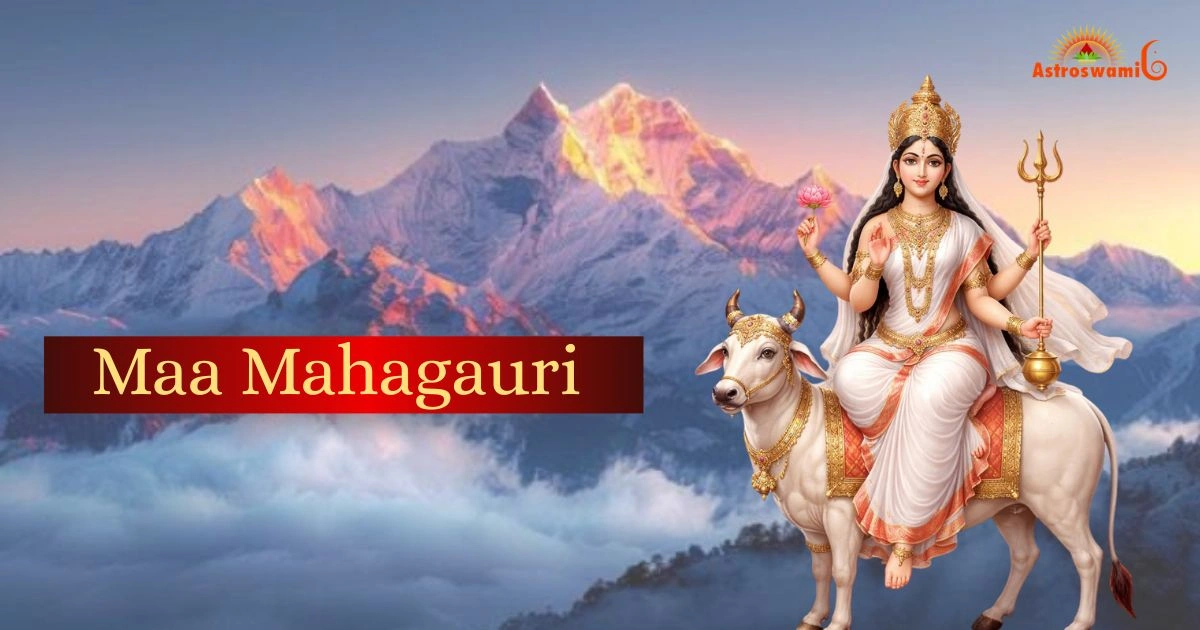
Mother Mahagauri is worshipped on the eighth day of Navratri. By worshipping Maha Gauri as the eighth form of Goddess Durga, the mind of the seeker becomes pure and all his wishes are fulfilled. On Navratri Day 8, Shodashopachara (Sixteen fold worship) poojan is also performed, thereby receiving the Mother’s grace. The form of Mahagauri Devi is very attractive with 4 arms. She is extremely fair looking. She is adorned in white garments and ornaments.

The vehicle of the  Maa Mahagauri is the bull.  On the upper right arm of the mother, she is holding the Abhaya mudra and the lower arm has a Trishul or Trance. On the left upper arm, there is the Damru or Drum and the low hand has the Var Mudra. Let’s tell you about the method of worship and mantras of Maha Gauri with their source. 

Navratri is a time of devotion, fasting, and worship of Maa Durga. For understanding the right muhurat, kundli-based remedies, or to resolve your life challenges, you may Talk to Astrologers and get expert spiritual advice.

Goddess Maha Gauri Puja Method

Firstly it is important to cleanse the house with Ganga Jal and after this, install Goddess Mahagauri’s picture on a low stool. After this, jal in a silver, copper or clay pot and place a coconut on it and create a Kalash. Bind it with a Kalwa, so that the coconut is hinged with the jar. After this, also establish on the stool, Shree Ganesh, Varun, Navagrahas, 16 Devis and a bindi of seven sindoors. After this, worship all the established deities and promise fasting, puja and take a vow with Maa Mahagauri. Offer the Gods sandalwood, roli, turmeric, vermilion(Sindoor), druva, bilvapatra(bael leaves), ornaments, flowers, incense-lamps, fruits, paan leaves, dakshana. On this day, offer or devote the coconut to Mother Durga and donate the coconut.

Understanding the Mahagauri significance helps devotees perform the rituals properly and receive the blessings of purity, wisdom, and prosperity from the Goddess.

With the help of an online kundali maker, Navratri becomes more meaningful by aligning devotion with astrological wisdom.

Mother Mahagauri story

Mother Maha Gauri had done harsh struggle and penance to get Lord Shiva as her husband, with this her body had turned black. Mahadev was pleased with her penance and accepted her prayer. Because her body has turned black by penance, Mahadev washed it with gangajal, it became fair again. That’s why she is called Gauri. For this reason, it is said that fasting on the Ashtami day, gives devotees their desired life partner. This divine tale is popularly known as the Mahagauri story, inspiring devotees with devotion, patience, and the power of penance.

The divine energy of Maa Durga during Navratri blesses couples with love and strength. Performing kundli matching ensures that both partners are aligned spiritually and astrologically.

Apart from this, another story of Maa Mahagauri is also prevalent. According to this, when Mother Uma was doing penance in the forest, then a hungry lion was roaming in the forest. Searching for food, he reached near the spot where the Mother was deeply absorbed in meditation. Seeing the Goddess, the appetite of the lion increased and the lion waited for her to complete her meditation. Due to the waiting, he became very weak. When the goddess woke from her penance, seeing the lion’s condition, she had great pity on him. Mother took the lion her ride and in a way, the lion had also practised penance with Mother.

Therefore, Goddess Mahagauri’s vehicles are both bull and lion. Devotees who chant the Mahagauri Mantra with devotion on Navratri Day 8 are believed to receive her divine blessings, courage, and purity.

Maa Durga’s blessings are said to be strongest when matched with the right cosmic stone. Head over to the Gemstone section of our store for items that are astrologically blessed and genuine.

Mata Mahagauri Mantras

Shweta Vrishe Samruda Shwethambradara  Shuchi,

Mahagauri Shubham Dadanamahadevpromodda .

Goddess Saravabhutheshu Mata Gauri Rupens Sanstha,

Namastasye Naamshasye Namastasye Naamo Namah.

Meditation of Mother Mahagauri

Vande Vanchita Kamarthe Chandraghrakrut Shekaram,

Sinhruda chaturbhuja mahagauri yashasvaneem. 

Purnendu Nibhan Gauri Somachakstitham Ashtam Maha Gauri Trinetram,

Varabhitaran Trishul Damurudharan Mahagauri Bhajem.

Patambar Paridhana  Mruduhasya Nandalakar Bhushtham,

Manjeer, haar, Kinkini, Kinkini Ratnakundal Dharineem. 

Praful Vandana Pallavandhara Kant Kapola Peen Pyodharam,

Kamniya lavanya Mrunal chandangandhaliptam.

Psalms of Mahagauri Lesson(Stotra Mantra)

Sarvasankant Hantri Tumhi Dhan Aishwarya Pardayanim,

Gyanada Chaturvedmyi Maha Gauri Pranmabhyam.

Sukha Shantidatri Dhan Dhanya Pradiyanim,

Damruvadya Priya Adiya Maha Gauri Pranmabhyam.

Trilokyamangal Tumhi Taptraya Harineem,

Vedad Chaitanyamayi Mahagauri Pranamamyaham.

Mother Mahagauri’s Armor

Omkarpatu  Patru Shirsho  Ma en beej hridayo,

Karli beej sadapatunabho, gruhocha padyo.     

Lalat Karno Hun Bejapatu Mahagauri Ma Netra Ghraon, 

Kapot Chibuko Phatu Patu Swaha Ma Sarv Vadno.

Mata Mahagauri Ki Aarti

Jai MahaGauri Jagat ki Maiya,

Jay Uma Bhavani Jay Mahamaya.

Haridwar Kankhal ke pasa,

Mahagauri tera wahan nivas.

Chandarkali aur Mamta Ambe,

Jai Shakti Jai Jai Ma Jagadambe.

Bhima Devi Vimala Mata,

Kosaki Devi Jag Vikhyata. 

Himachal ke ghar gauri roop tera,

Mahakali Durga hai swaroop Tera.

Sati ‘Sat’ huv kunda main tha jalaya,

Usi dhunye ne roop kaali banaya. 

Bana Dharma Sinh, jo savari mein aaya,

To Shankar Ne Trishul apna dikhaya.

Tabhi Ma ne Gauri naam paya,

Sharan aane wale ka sankat mitaya. 

Shanivar ko teri puja jo karta, 

Ma bigda hua kam uska sudharta. 

‘Bhakta’, bolo to soch tum kya rahe ho?

Mahagauri Ma teri hardam hi jaye ho. 

Other Forms of Goddess Durga Worshipped During Navratri

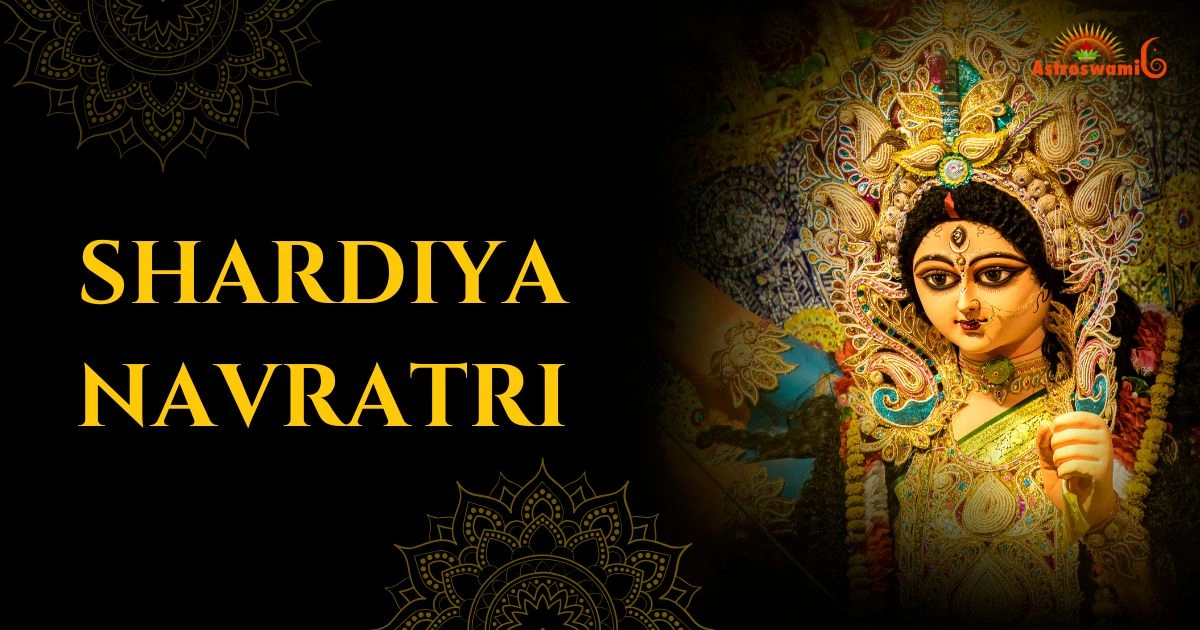
Navratri is celebrated by worshipping nine forms of Goddess Durga over nine days. Maa Shailputri is worshipped on the first day, followed by Maa Brahmacharini on the second day. On the third day, devotees worship Maa Chandraghanta, followed by Maa Kushmanda on the fourth day and Maa Skandamata on the fifth day. Maa Katyayani is worshipped on the sixth day, Maa Kalaratri on the seventh, Maa Mahagauri on the eighth and Maa Siddhidatri on the ninth day.

Navratri concludes with the celebration of victory over evil, which is followed by Dussehra, an important Hindu festival associated with the triumph of good over evil.

Durga Asthami 2026

All you need to know about Durga Ashtami 2026

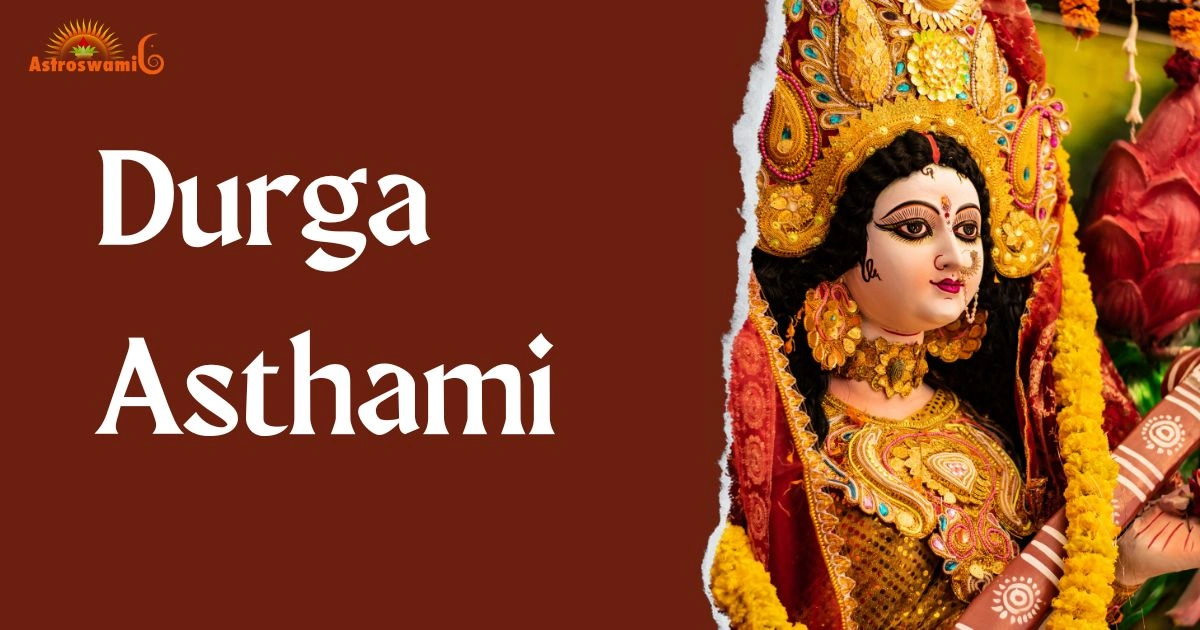
Durga Ashtami is the eighth day of Navratri, celebrated across different parts of India. On this day, Goddess Mahagauri is worshipped – an idol of Goddess Durga who stands as a symbol of energy, power, and the victory of goodness over evil. Let’s talk about Durga Ashtami in detail – when it’s celebrated every year, why it’s celebrated, and how it’s observed with customs, rituals, and shopping for the festival.

When does Durga Ashtami get celebrated

Durga Ashtami is celebrated on the 8th day of Navratri, which begins in the Indian month of Ashwin as Mahalaya. It comes in Shukla Paksha and, according to the Gregorian Calendar, is celebrated in the month of September-October every year. In 2026, Durga Ashtami will be observed on Monday, 19th October.

Story of Durga Ashtami

According to mythological stories, it is said that Goddess Kali emerged from the forehead of Goddess Durga and killed the demon kings Chanda and Munda, along with Mahishasur. Since then, every year Durga Ashtami is celebrated and Goddess Durga is worshipped for 9 days continuously.

It is also said that on this day, Goddess Durga killed a Tantrik named Bhaironath in the form of Vaishno Devi. This incident is linked to the establishment of Vaishno Devi’s history, and the famous Bhairavnath Mandir is said to be situated at the very place where Goddess Durga cut down Bhairavnath.

Click to Get Personalized astrology prediction from our best astrologers in India!

Another name of Durga Ashtami

Durga Ashtami, also known as Mahashtami, is celebrated across India, but is more famous in a few regions – especially West Bengal.

Rituals of Durga Ashtami

  1. Devotees of Goddess Durga observe a fast on this auspicious day.
  2. All the weapons used by Devi Durga to kill Mahishasur are worshipped with full rituals and recitation of mantras – this ritual is known as Astra Pooja.
  3. This day is also called Veera Ashtami, as various martial artists showcase their weapons and skills.
  4. During worship, 8 idols of the Devi forms known as Ashta Nayika are also worshipped – including Brahmani, Indrani, Vaishnavi, Varahi, Narsingh, Kameshwari, Maheshwari, and Chamunda.
  5. Worship of Devi Durga is done by offering sandalwood, flowers, fruits, sweets, supari, cardamom, and coins, which are then distributed among family members.
  6. Deep Daan is performed for the goddess, and the Durga Saptashati Mantra is recited multiple times.
  7. Alongside this, the 64 Yoginis associated with the goddess are also worshipped.
  8. On this day, other gods and protector deities are worshipped as well.
  9. Durga Ashtami also honours Gauri Devi, where nine young girls are worshipped – their feet are washed, and they’re offered halwa made of suji, milk, ghee, and dry fruits, along with puri and chana.

Small and big temples hold special recitations. Durga Ashtami concludes with Sandhi Pooja, and the next day, Maha Navami begins. Devotees who observe a fast on this day are believed to receive the blessings of Maa Durga.

Auspicious dates of Durga Ashtami 2026

Sunrise 19 October 2026 at approx. 6:16 AM
Sunset 19 October 2026 at approx. 5:51 PM
Ashtami Starts – 18 October 2026 at 08:27 AM
Ashtami Ends – 19 October 2026 at 10:51 AM
Sandhi Pooja – 19 October 2026, from 10:27 AM to 11:15 AM

Prepare for Navratri fasting and daily goddess worship with proper rituals – read more here: – Maa Shailaputri | Maa Brahmacharini | Maa Chandraghanta | Maa Kushmanda | Maa Skandamata | Maa Katyayani | Maa Kalaratri | Maa Mahagauri | Maa Siddhidatri | Shardiya Navratri 2026 Date  |Shardiya Navratri 2026

Maa Siddhidatri

Mother Siddhidatri is worshipped on the ninth and final day of Navaratri. The worship of Siddhidatri, the ninth form of the mother Durga, brings great siddhi (spiritual powers) to her devotees.On Navratri Day 9, devotees perform special puja and chant mantras to seek wisdom, knowledge, and spiritual blessings. Maa Siddhidatri is also considered another form of Mother Saraswati. The festival of Dusshera is celebrated on the next day after worshipping Maa Siddhidatri.

Seek divine guidance this Navratri Talk to Astrologers today and receive clarity, blessings, and the right direction for a prosperous life.

Puja Method

On this day, Mother Siddhidatri should be offered nine types of flowers, fruits, Navan prasad, and food with Navas(9 tastes). First of all, you must worship the Kalash (holy urn) by meditating about all the gods and goddesses in it. After this, you must chant the mantras of the Mother Siddhidatri and worship her. On this day, you must offer food to nine girls and only then food should be eaten. With this, Maa Siddhidatri is pleased and with her blessings, all your deteriorating work will begin to prosper. 

Mother Siddhidatri’s Form 

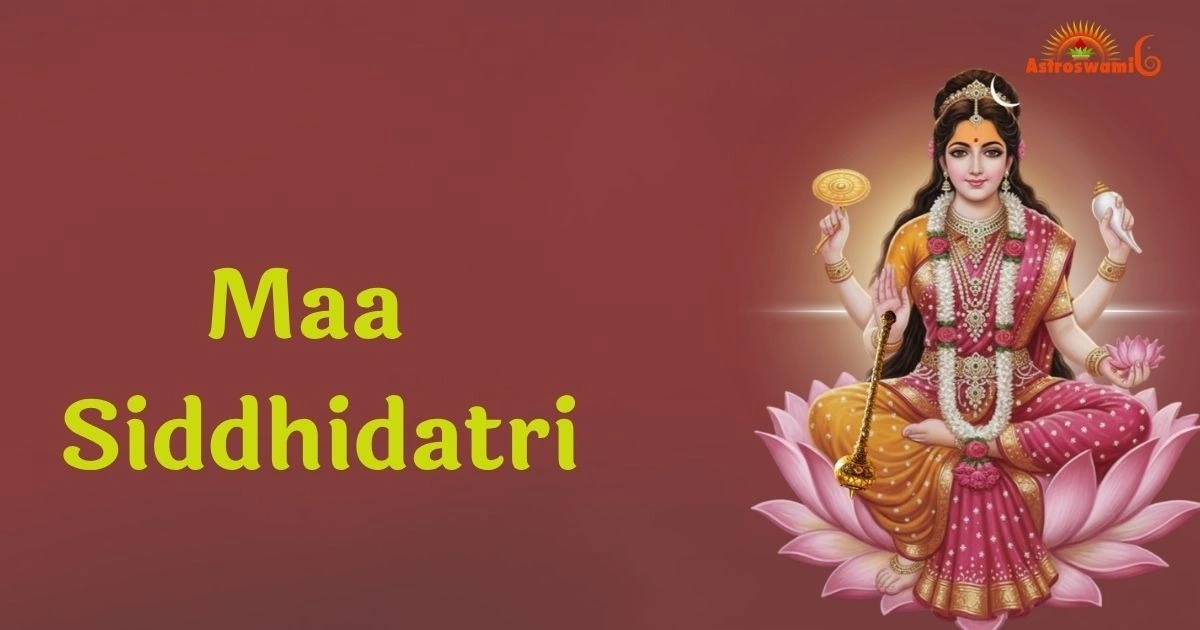
The form of Goddess Siddhidathri is very gentle, she has four arms. In the right arm, the mother has taken chakra and (Gada) mace and in the left arm there is a conch and lotus flower. There is also a Lotus flower on the seat of Siddhidatri mata. Mother’s vehicle is the lion. This day is also called Ramanavami. The next day of the Shardhi Navaratri, that is, the tenth day is celebrated as the victory of Rama over Ravana.

Navratri brings new beginnings make them auspicious with kundli matching to ensure love, harmony, and lifelong compatibility.

Story of Mother Siddhidatri

Lord Shiva also received many spiritual powers or achievements with the help of Mother Siddhidatri. It was with the grace of the Mother that Mahadev’s half-body transformed into a Goddess and he became famous as Shiva Ardhanareshwar(half-woman). According to Siddhidatri Mata story mentioned in Shiva Purana, Lord Brahma, the creator of the Universe, noticed that the number of animals, birds and humans was not growing. According to Akashwani, then Brahmaji vowed to create a maithuni (reproduction)of the Universe. When Brahma asked Lord Vishnu about this, he asked Brahama to worship Lord Mahadev.

After this Brahmaji practiced penance to satisfy Shiva with Shakti. Parmatma Shiva was satisfied with the penance of Brahmaji, who came to  him by assuming the form of Ardhanareshvar(halfman and half woman). After this, he separated the part of the goddess power from his body. Then Brahmaji praised and honoured that supreme Shakti. Being pleased with the praise of Brahma, Shakti created another power like her own, who, was born as Himalaya’s daughter Parvati, and met Mahadev. During this time, chanting the Maa Siddhidatri mantra invokes her divine blessings, granting wisdom, spiritual growth, and fulfillment of desires to the devotees.

This Navratri, strengthen your planetary balance with Gemstones chosen by expert astrologers for health, wealth, and harmony.

Maa siddhidatri mantra

Ya Goddess Sarvabhuteshu Mother Siddhidithri Rupen Sanstia,

Namastasye Namastasye Namastasye Namo Namah.

Stotra Path

Kanchanabha Shakhachkragadapadyadhara Mukutojvalo,

Smeramukhi Shivpatni Siddhidathri Namostuthe.

Vishvakarta, Vishvabhati, Vishvaharti, Vishvapreeta,

Shiv VarshitaVishvatitha  Siddhidathri Namostuthe.

Bhati Mukti karini Bhatikashtanivarini,

BhavSagar tarini  Siddhidathri Namostuthe.

Dharmashrarakam  Pradayini Manmoh Vinashini,

Moksha dayini Siddhidayini Siddhidatri Namostuthe.

Meditation of Goddess Siddhidatri

Vande Vaichittha Manorthrath Chandradrishakhekhram,

Kamalasthita Chaturbhuja Siddhidatri Yeshavneem.

Swarna Varna Nirvanchachakrastitha Navam Durga Trinetraam,

Shankh, Chakra, Gada, Padam, Dharan, Siddhidatri Bhajem.

Patambar Paridhana  Mruduhasya Nandalakar Bhushtham,

Manjeer, haar, Kinkini, Kinkini Ratnakundal Dharineem. 

Praful Vandana Pallavandhara Kant Kapola Peen Pyodharam,

Kamniya lavanya charu trivali nitamabneem.

Devi Siddhidatri’s Kavach (Armour)

Omkarpatu  Shirsho  Ma en beej hridayo,

He beej sadapatunabho, guhocha padyo. 

Other Forms of Goddess Durga Worshipped During Navratri

Navratri is celebrated by worshipping nine forms of Goddess Durga over nine days. Maa Shailputri is worshipped on the first day, followed by Maa Brahmacharini on the second day. On the third day, devotees worship Maa Chandraghanta, followed by Maa Kushmanda on the fourth day and Maa Skandamata on the fifth day. Maa Katyayani is worshipped on the sixth day, Maa Kalaratri on the seventh, Maa Mahagauri on the eighth and Maa Siddhidatri on the ninth day.

Navratri concludes with the celebration of victory over evil, which is followed by Dussehra, an important Hindu festival associated with the triumph of good over evil.

Shardiya Navratri 2026 Date

The story behind Shardiya Navratri

In the Lanka war, Brahmaji asked Shri Ram to worship Chandi Devi for slaughtering Ravana and to make the Goddess happy, and according to tradition, there was also a provision of 108 rare lotus flowers for Chandi Poojan and Havan. On the other hand, Ravan started his own Chandi worship to achieve immortality. Indra Dev conveyed this to Shri Ram through Pawan Dev and advised that the Chandi worship should be completed as thoroughly as possible. This divine worship during Sharad Navratri became a symbolic moment of devotion and power.

During the puja, a rare blue lotus (Nilkamal) from the place of worship mysteriously vanished due to Ravan’s elusive power, threatening to disrupt Shri Ram’s worship. Shri Ram’s resolve was shaken, and there was a fear that the mother goddess would become angry.

Since arranging another Nilkamal was impossible, Shri Ram remembered that he was also known as Kamal-Nayan – the lotus-eyed one. So he decided to offer one of his own eyes to the mother’s worship instead. Just as Lord Rama was about to remove his eye with an arrow, the Goddess appeared, held his hand, and blessed him with victory – “I am delighted, and you shall be granted Vijayashree.”

Meanwhile, during Ravana’s own worship, Hanuman Ji took the form of a Brahmin child and joined the ritual. A verse recited by the Brahmins – “Jaya Devi, Bharati Harinani, Harini” – carries the meaning that the devotee’s suffering and pain (Karani) would be removed. With this, Durga grew angry with Ravana’s deceit and cursed him, leading to his eventual destruction.

The second story behind Navratri

According to another legend, Goddess Durga was destined to slay the buffalo demon, Mahishasura. Pleased by Mahishasura’s penance, the gods had granted him a boon of invincibility. Misusing this power, he wreaked havoc across the heavens – seizing the domains of the Sun, Moon, Indra, Fire, Air, Yama, Varuna, and other deities, and declaring himself ruler of the heavens. The gods, tormented by his tyranny, combined their divine energies to create Goddess Durga. Each god offered her their most powerful weapon, strengthening her for the battle ahead. For nine days and nights, she fought Mahishasura, ultimately slaying him and earning the name Mahishasurmardini. This victory of Goddess Durga is celebrated with devotion during Shardiya Navratri 2026, when devotees remember her as Mahishasurmardini and honour the triumph of good over evil.

How to do Shardiya Navratri Puja 2026

Correct timing is extremely important for planning rituals and fasting schedules. This year, the festival will be celebrated with great devotion across the country. For nine days, different avatars of Maa Durga will be worshipped. The transition between the seasons – spring and autumn – along with the shifting effects of the sun, is considered a sacred confluence, and these periods are seen as ideal opportunities for the worship of Goddess Durga. The nine days are divided into three sets of three, each dedicated to worshipping a different attribute of the Goddess. People across India eagerly search for Shardiya Navratri 2026 date and time so they can align their puja, vrat, and cultural celebrations with the most auspicious timings.

Make this Shardiya Navratri more auspicious by seeking the blessings of Goddess Durga and finding your perfect life partner. Ensure harmony, compatibility, and lifelong happiness through accurate Kundli Matching online at AstroSwamiG.

Shardiya Navratri 2026 Day 1 to 3

The first three days of Navratri are devoted to worshipping Goddess Durga for her energy and strength. Each day honours a different form of Durga – the first day represents a young girl, the second a woman, and the third a woman who has reached maturity. The Goddess is worshipped as Durga or Kali, depicted as a warrior goddess dressed in red and riding a lion.

Shardiya Navratri 2026 Day 4 to 6

Devotees worship Goddess Lakshmi during these days to seek material comfort, spiritual wealth, and prosperity. She is depicted dressed in gold as the goddess of wealth and peace. The fourth, fifth, and sixth days of Navratri are devoted to her worship.

Shardiya Navratri 2026 Day 7 to 9

In the final three days, the seventh day is devoted to the worship of Goddess Saraswati, the goddess of art and wisdom, with a special Yagya performed.

9th Day of Shardiya Navratri 2026

The ninth day, Maha Navami, is the concluding day of the Navratri festival. On this day, young girls (Kanya Pujan) are worshipped as forms of the Goddess.

Shardiya Navratri 2026 Pooja Method and Kalash Establishment Shubh Muhurat

Shardiya Navratri 2026 begins on 11th October 2026 (Sunday) and concludes with Vijayadashami on 20th October 2026 (Tuesday). Nine days are dedicated to the worship of Goddess Durga, and performing her puja during Navratri is believed to remove every difficulty from a devotee’s life.

The auspicious Ghatasthapana (Kalash Sthapana) muhurat for Delhi falls on 11th October 2026, from approximately 06:19 AM to 10:12 AM. Those who miss this window can perform the Kalash Sthapana during the Abhijit Muhurat, from 11:44 AM to 12:31 PM. Many devotees search for the exact Shardiya Navratri 2026 date to align their puja and fasting rituals with the most auspicious timings.

Before any worship in Hindu scriptures, the tradition of worshipping Lord Ganesha first is prescribed. According to belief, the Kalash used in the mother’s worship represents Lord Shiva himself, and so it is worshipped first. Before setting up the Kalash, the place of worship should be purified with Ganga water, and all the gods are invited to be part of the ritual.

The Kalash is decorated using turmeric, betel nut, paddy, and five types of leaves, and is placed on a bed prepared with sand where barley seeds are sown for Annapurna Devi’s worship. The idol of Mother Durga is adorned with roli, rice, vermillion, garlands, flowers, chunari, sari, jewellery, and suhag items.

Devotees offer fruits and sweets to the mother in the morning, milk at night, and halwa-puri on the ninth day. From this day onward, recitation of ‘Durga Saptashati’ or ‘Durga Chalisa’ begins, and an unbroken (akhand) lamp is lit, which should remain burning throughout the fasting period.

After the Kalash Sthapana, the Aarti of Ganesh Ji and Mother Durga is performed, marking the start of the nine-day fast. On the day of Kalash establishment, the first form of Navratri – Goddess Shailputri – is worshipped. Devotees fast on this day and, in the evening, break their vow by reciting devotional prayers to the mother.

Since the entire Navratri period is considered auspicious from the outset, a devotee who is unable to perform Kalash Sthapana during an inauspicious window can still do so at any point during the day without concern – Navratri Puja is believed to bring happiness and prosperity to every household.

2026 Shardiya Navratri dates in India

DayDateGoddess Avatar
Navratri Day 1 – Pratipada11th October 2026 (Sunday)Shailputri Pooja
Navratri Day 2 – Dwitiya12th October 2026 (Monday)Brahmacharini Pooja
Navratri Day 3 – Tritiya13th October 2026 (Tuesday)Chandraghanta
Navratri Day 4 – Chaturthi14th October 2026 (Wednesday)Kushmanda
Navratri Day 5 – Panchami15th October 2026 (Thursday)Skandamata
Navratri Day 6 – Shashthi16th October 2026 (Friday)Katyayani
Navratri Day 7 – Saptami17th October 2026 (Saturday)Kalratri
Navratri Day 8 – Ashtami18th October 2026 (Sunday)Mahagauri
Navratri Day 9 – Navami19th October 2026 (Monday)Siddhidatri
Vijay Dashami (Dussehra)20th October 2026 (Tuesday)Durga Visarjan

To bring balance and harmony in personal as well as professional life, explore authentic and energized Gemstones from the AstroSwamiG Store and experience the power of Vedic astrology remedies.

Before Sharadiya Navratri, it is important to know the importance of Pitru Paksha and the method of Shraddha – so that the blessings of the ancestors can be obtained before worshipping the Goddess. –    2026 Pitru Paksha – Shradh 2026 Significance and Importance | 10 Ways To Remove Pitra Dosh Effects and Remedies | Pitru Paksha in Hindi | 2026 पितृ पक्ष श्राद्ध – 2026 श्राद्ध में क्या करे और क्या नहीं | Pitra Dosh – पितृदोष लगने के कारण और निवारण

Maa Shailputri

On the first day of Navratri, you should worship Goddess Maa Shailputri with this method. With this worship, she will bless you with abundant wealth. Special festival of Hindus, Navratri, this year Shailputri Mata, on the first day of Navratri, you should worship Goddess Maa Shailputri with this method. With this worship, she will bless you with abundant wealth. Special festival of Hindus, Navratri, this year starting from 22 September 2025 to 01 October 2025, this festival is very special for Durga devotees. Those who keep fast these days get happiness, prosperity and lots of happiness.

This Navratri, remove obstacles from your life with divine guidance Talk to Astrologers and know the right path for success and happiness.

Worship method and mantra of Mata Shailputri

Today we are going to tell you about the worship method of Maa Shailputri Mantra, who is worshiped on the first day of Navratri. Whoever does this worship never remains unhappy. Maa Shailputri is worshiped on the first day of Navratri.

First form of Durga Mata Shailputri

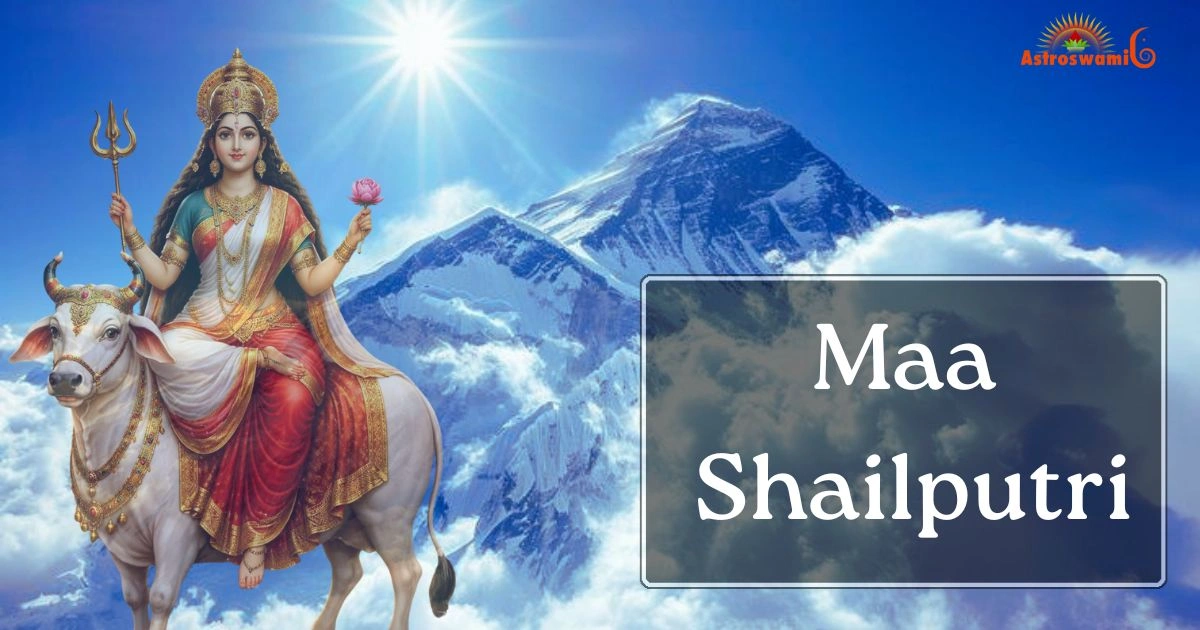
She is the first form of Mother Durga. Shailputri Mata Story tells us that Maa Shailputri is considered very gentle and provides salvation to her devotees. Due to being born in the house of Himalayas, she is known as ‘Shailputri’. On the Navratri day 1, devotees pray to please Mother Shailputri.

Shailputri Mata has a trident in one hand and a lotus flower in the other hand. In her previous birth, her name was Sati and later she also became famous as Parvati and Hamevati. Hamevati was the pride of the gods. On Navratri Day 1, devotees worship Maa Shailputri because there is no obstacle in the path of those who worship her; even if any obstacle comes, she removes it.  Make sure to include fruits and flowers in the worship of the mother. After the fast, offer her Prasad, which does not contain onion and is pure and satvik. If you also want to please Mother Shailputri, then definitely chant these mantras. By chanting them, you will never have to face any problem. Offer a rose flower and a wish fulfilling tablet on the picture of Mata Shailputri with the mantra “Om Aim Hreem Khalin Chamundaya Vicchay Om Shailputri Devayai Namah”. Then repeat this chant 108 times. After this, take the prasad or offer it to the prasad and then take the prasad.

Navratri is the perfect time to understand your life path by checking your kundali by date of birth and aligning yourself with divine energies.

The mantra “Om Sham Shailputri Deyai Namah” is also chanted to please the mother. Chanting this will calm the mind and all the sorrows of your life will go away. This mantra of the mother will bring immense happiness in your life: “Pratham Durga Tumhi Bhavsagar Tarneem. Dhan Aishwarya Dayini Shailputri Pranamabhyam Trilochani Tumhi Paramanand Pradiyaman Saubhagya Dayini Shailputri Pramaabhyam Charatreshvari Tumhi Mahamoha Vinaashini Mukti Bhukti Dayani Shailputri Pramaabhyam” –

Spread a red cloth on a wooden stool and do not forget to keep a picture of Shailputri Mata on it. Write “Sh” on it with saffron and keep a plaque with wishes fulfilled. After this, meditate on Shailputri Devi with a red rose in your hand. By doing this, all your troubles will go away. The mother will be pleased with you and will fulfill all your wishes. If you want to get abundant wealth this Navratri, then definitely perform Shailputri Puja with full devotion. This festival is very special for Durga devotees. Those who keep fasts these days get happiness, prosperity and lots of joy.

This Navratri, strengthen your marital bond with the blessings of Maa Durga – check compatibility through Kundli Matching for a prosperous future.

Today we are going to tell you about the worship method and mantra of Mata Shailputri, who is worshipped on the first day of Navratri. Whoever performs this worship never remains unhappy. Mata Shailputri is worshipped on the first day of Navratri. She is the first form of Maa Durga. Maa Shailputri is considered very gentle and provides salvation to her devotees. Due to being born in the house of Himalaya, she is known as ‘Shailputri’. On the first day, devotees pray to please Mother Shailputri. Shailputri Mata has a trident in one hand and a lotus flower in the other hand. In her previous birth, her name was Sati, and later she also became famous as Parvati and Hamevati. Hamevati was the pride of the gods. There is no obstacle in the path of those who worship Shailputri Mata, even if any obstacle comes, she removes it. Make sure to include fruits and flowers in the worship of the mother. After the fast, offer her Prasad, which does not contain onion and is pure and satvik. If you also want to please Mata Shailputri, then definitely chant these mantras. By chanting them, you will never have to face any trouble. Offer a rose flower and a wish-fulfilling pellet on the picture of Mata Shailputri with the mantra “Om Aim Hreem Khalim Chamundaya Vicche Om Shailputri Devayai Namah”. Then repeat this chant 108 times.

How to take the Prasad of Mata Shailputri

After this, take the Prasad or offer the Prasad and then take the Prasad. The mantra “Om Sham Shailputri Deyai Namah” is also chanted to please the mother. Chanting it will calm the mind, and all the sorrows of your life will go away. This mantra of the Maa Shailputri will bring immense happiness in your life too: “Pratham Durga, you are the ocean of life. Wealth, prosperity, dayani, Shailputri, pranmaabhyam. Trilochani, you are blissful pradayaman saubhagya dayani Shailputri prambhayam. Charhatareswari, you are the destroyer of great attachment, mukti bhukti dayani Shailputri prambhayam.” – Spread a red coloured cloth on a wooden plank.

Nine Forms of Goddess Durga During Navratri

Navratri is dedicated to the worship of the nine forms of Goddess Durga. After worshipping Maa Shailaputri on the first day, devotees worship Maa Brahmacharini on the second day and Maa Chandraghanta on the third. The fourth day is dedicated to Maa Kushmanda, followed by the worship of Maa Skandamata on the fifth day and Maa Katyayani on the sixth. Maa Kalaratri is worshipped on the seventh day; similarly, the eighth day is dedicated to Maa Mahagauri, while Maa Siddhidatri is worshipped on the ninth day

Navratri is considered the most auspicious time to seek blessings of Maa Durga and invite prosperity into your life. Wearing the right Gemstone during this sacred period can enhance positivity, remove planetary doshas, and bring harmony, wealth, and success in every sphere of life.

Frequently Asked Questions (FAQs)

Q. 1: Who is Shailputri Mata?

Ans: Shailputri Mata is the first form of Goddess Durga. “Shail” means mountain, and “putri” means daughter — hence, she is the daughter of Parvataraja Himalaya. She is also called by the names Parvati and Sati.

Q. 2: When is Shailputri Mata worshipped?

(Date in 2025) In India, Chaitra Navratri is being observed from 22 September 2025 to 01 October 2025 in successive years. Shailputri Mata is worshipped on this date.

Q. 3: What is the vehicle of Shailputri Mata?

Ans: Shailputri Mata’s vehicle is Nandi bull. She is also believed to be seated on a white lotus.

Q. 4: What is in the hands of Shailputri Mata?

Answer: Trishul in the right hand and lotus flower in the left hand.

Q. 5: What is the mantra of Mata Shailputri?

Answer: Om Devi Shailputryai Namah. This mantra is chanted 108 times.

Karana Astrology – 11 Karana in Panchang

What is Karana 

The Hindu Panchang has five different limbs.  First is a date,  second is the day, 3rd nakshatra, 4th is a yoga and 5th Karana. An auspicious or Mangal work is started only after calculating these five punching organs. Let’s tell you about Karana. How many are there, what are the names, what is the importance of Karana in good deeds, in which Karana is fulfilled or not?

Get Personalized Horoscope Reading and Remedies with Talk to Astrologers for Accurate Guidance and Transform Your Life.

Half of the tithi is called Karana. It is based on lunar day or tithi. When the moon completes 6 degrees, then one Karana is completed. That is, there are two Karanas in one tithi. One Karana also ends with the end of the tithi. One Karana in the first half and the other is in the second half. Astrology describes a total of 11 types of Karanas. They all repeat in a certain order throughout the lunar month of 30. Seven Karana comes eight times in two Pakshas, which is 56 in total. 

The rest of the four Karanas come in a certain process. Thus, one lunar month has a total of 60 Karana. Karana has 11 types of names: Bav, Balav, Kaulav, Taytil, Gar, Vanij, Vishti, Shakuni, Chaturshpad, Nag and Kistughan. In the second half of the Krishna paksha, the Chaturdashi, the 14th day, Shakuni in Uthardhar (in the first half), Chatushpad in Purvadhra or second half of Amavasya, the Uttardha of the name in Amavasya, and Pratipadha of Shuklapaksha, are Kistughan Karanas. Visti Karana is called Bhadra when it is considered to be restricted to do any auspicious work. All these 11 Karanas have an impact on the birth of man, which can be clearly understood by studying his  Free janam kundli , as it reveals how different Karanas influence personality and destiny.

free-astrology-predictions

Type, temperament and effect of Karana

1. Bav Karana

According to astrology, the natives born in Bav Karana are spiritually inclined. They are interested in the work of dharma-karma. In any work, the natives of Bavkarana try to make 100 per cent effort. The lion is considered to be the symbol of Karana. The properties of the Bav Karana are homogeneous and its state is childhood.

2. Balav Karana

Balav Karana is also spiritually nature. People born in this Karana are very much into worship and spend their time visiting pilgrimage places. Balav Karana is also variable like Bav Karana. Its symbol is Cheetah. Balav Karana is considered to be youth and is considered to be sitting in the state.

Ensure a Successful Married Life with Kundli Matching Get Personalized Guidance, Dosha Remedies, and Horoscope Predictions.

3. Kaulava Karana

Kuala Karana, human beings are sociable. They easily make friends with anyone. The natives of Kaulava Karana have a love for others and are also adept at caring for others. Kaulav is also a variable Karana. It is considered to be a bristle symbol. Kaulava Karana is considered to be the higher level of Karna giving the best results.

4. Taitila Karana

If you are born in Taytil Karana, you are considered lucky. A man with a Taytil Karna does not lack wealth. They spend a wealthy life and also own a lot of wealth. Love plays an important role in the lives of such people. Taitil is also variable. Its symbol is a donkey. It is considered to be a Karana of ominous fruitful dormant state.

If you are born in Taytil Karana, you are considered lucky. A man with a titillate does not lack wealth. They spend a wealthy life and wealth that also contain. Love plays an important role in the lives of such people. Taitil is also variable. Its symbol is a donkey. It is considered to be an ominous fruitful dormant state.

5. Gar Karana

The human beings of Gar Karana are very punctual. They like to have a disciplined life. Gar Karana natives always have a destiny that favours them. In fulfilling any work that they are determined to do, the natives of Gar Karana work hard to accomplish it. It’s also variable. Its symbol is considered to be an elephant. It is considered to be mature and is also considered to be sitting in its state.

6. Vanij Karana

The human beings of the Vanij are intelligent and smart. They are interested in business. They use their intelligence in the field of making money. It’s also variable. Its symbol is considered to be a cow. The stage of the Vanij is also considered to be sitting.

7. Vishti or Bhadra Karana

It is not considered to be fortunate. Human beings born in this Karana indulge in bad deeds and their image also remains negative because of this. The Karana is considered to be ominous and is avoided in any auspicious work. It’s also variable. Its symbol is a hen. It brings medium results. The state of the Karna is considered to be sitting.

Get Astrological Gemstones for Prosperity, Success, Health, and Happiness Buy Original Certified Gemstones Online from Astroswamig Store for Wealth, Career Growth, and Positive Energy.

4 Fixed Karanas in Panchang

1. Shakuni

The human beings born in Shakuni Karana are law-abiding and jurist. They are most interested in solving any problems. The natives of Shakuni Karana easily dispose of any quarrel with their own cleverness. This is fixed, Karna. Its symbol is considered to be a bird. Its state is higher but is considered to be an ordinary result-giving Karana.

2. Chaturshpad

Chaturshpad Karana transmits spirituality among family and relatives. They respect the learned saints/educated people. They are also at the forefront in helping animals. These natives are animal-loving and that is why people born in this Karana become successful animal veterinarians. This is also a fixed Karana. It is symbolized as a four-legged animal. Its result is normal. The state of this Karna is considered dormant.

3. Nag

The human beings born in Nag Karana have extraordinary knowledge in a particular field. These people are likely to be faced with unpleasant events. With hard work and determination, they can achieve success in everything they do. This karana also has a fixed status. Its symbol is considered to be a snake or a serpent. Its fruit is normal. Its state is considered dormant.

4. Kistughan

The human beings of Kistughan Karana are very fortunate. They are interested in the work of charity-virtue. People born in this Karana receive all kinds of satisfaction in their lives. They have a good education and lead a good, rich life. This is a fixed Karna. Its symbols are considered to be insect-moths. It bears normal fruits. The state of this Karana is upward facing.

Just as the tithi and karana in the Hindu Panchang hold significant importance in determining auspicious and inauspicious timings, the upcoming major festivals also bring positive energy into life. During Mauni Amavasya 2026, people practice silence and spiritual discipline to attain purity, which aligns with the spiritual nature of Karana. Similarly, Basant Panchami 2026 is considered highly auspicious for the beginning of knowledge, fortune, and new ventures, where the positive influence of Karana motivates fresh beginnings. The South Indian festival Pongal 2026 symbolizes karma, prosperity, and abundance much like the Taitila and Vanij Karanas, which represent wealth and success. The major North Indian festival Makar Sankranti 2026 marks the transition of the Sun and the arrival of new energy, making it as significant as the transformative nature of the Karanas. Meanwhile, Lohri 2026 symbolizes social harmony, enthusiasm, and family togetherness, reflecting the friendly and community-oriented qualities of Kaulava and Balava Karanas.
Understanding these festivals and the influence of Karanas helps individuals interpret their birth chart, choose auspicious timings, and make life decisions with greater clarity and accuracy.

Guru Gobind Singh Jayanti 2026 Date

Guru Gobind Singh Jayanti: Remembering the Great Sikh Warrior Saint

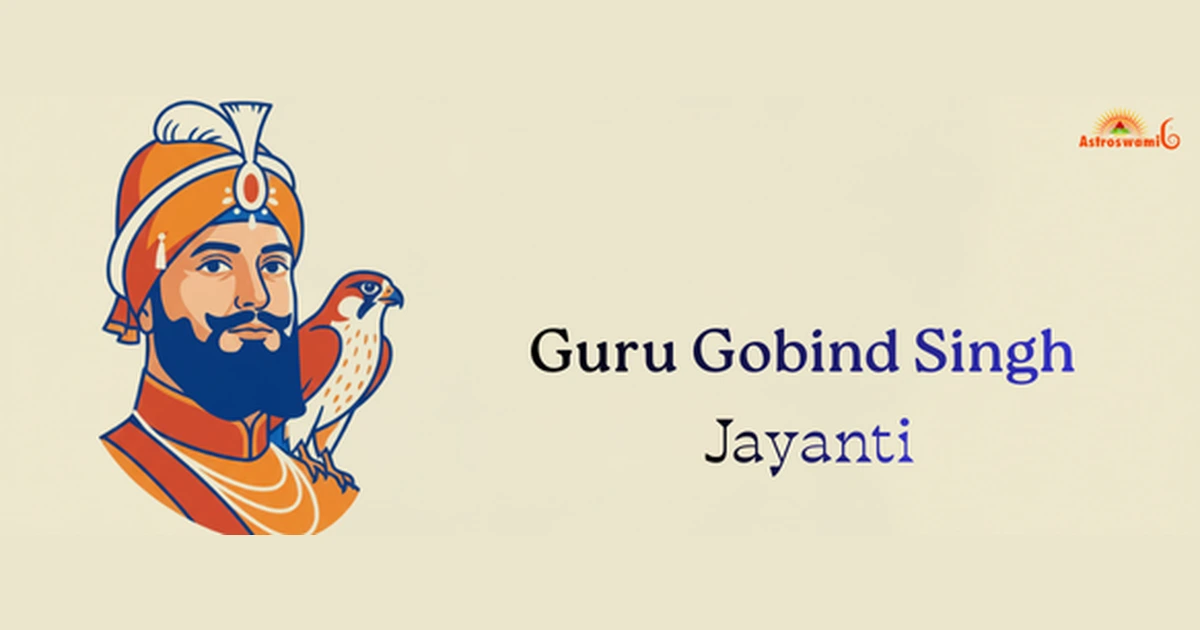
Guru Gobind Singh Jayanti is a religious festival observed by millions of Sikh devotees around the globe. This sacred festival marks the birth anniversary of the tenth Sikh Guru, Sri Guru Gobind Singh Ji. According to religious customs of Sikhism, the date of guru gobind singh jayanti 2026 date holds immense value for the devotees.

Guru Gobind Singh Ji was born on December 22, 1666, in Patna Sahib, Bihar. The day of guru gobind singh jayanti 2026 date in the year marks the commemoration of the day when the world was blessed with the presence of Guru Gobind Singh Ji.

Early Life of Guru Gobind Singh Ji

Gurdayal Singh, who later

Guru Gobind Singh Ji was born as Gobind Rai, and he was the son of Guru Tegh Bahadur Ji, who was known as the Ninth Sikh Guru, along with his wife, Mata Gujri Ji. Like how free online Kundli tools for reading can help a person identify their nature, his period too showed a soul for righteousness.

He was only nine years old when he saw the martyrdom of his father, who in order to protect the cause of religious freedom, s against tyranny and protect the dignity of man. The guru gobind singh history is acrificed his life. This incident influenced the mission of Guru Gobind Singh ji to fightfull of sacrifice and resistance against tyranny.

Establishment of Khalsa Panth

One of the biggest turning points in Sikhism came with the formation of the Khalsa Panth in 1699 on the occasion of Vaisakhi. This greatly defines the importance of guru gobind singh jayanti 2026 date, as this day resulted in the development of a discipline and brave Sikh community. The guru gobind singh jayanti 2026 date will mark another occasion when this important history will be remembered by Sikhs.

Guru Gobind Singh Ji brought forward the concept of the Panj Pyare and incorporated principles of guruji’s teachings such as courage, purity, and devotion. Just as horoscope matching leads people towards proper decision-making through Kundali matching, the creation of the Khalsa has resulted in leading Sikhs on the path of honesty and taking up the charge of being fearless.

Visit our store page: Astro Store

The Five Ks of the Khalsa: 

         Kesh – Untouched hair, representing spirituality

         Kanga – Wooden comb, symbolizing cleanliness

         Kara – Iron bracelet, signifying eternal righteousness

         Kachera – Cotton Undergarment, symbol of Discipline

         Kirpan – Sword, symbolizing protection of the oppressed

Guru Gobind Singh Ji: The Warrior-Saint

Guru Gobind Singh Ji was a spiritual guru and a brave warrior too. He had to fight many battles, not for any sort of power or throne, but for freedom and for justice in matters of his religion. His divine power is described in many symbolic ways, for example, in ‘Guru Gobind Singh Horoscope’ or ‘Guru Gobind Singh Birth Chart.’

Guru Sahibs wrote remarkable spiritual scriptures such as Jaap Sahib, Tav Prasad Savaiye, and Zafarnama, which help guide mankind to date. His writings promote qualities of strength, modesty, and unrelenting faith in God.

Sacrifices made by Guru Gobind Singh Ji

The example of great sacrifices is that of Guru Gobind Singh Ji. His four sons, called Chaar Sahibzade, gave their lives in support of righteousness. The two elder ones died in the battle of Chamkaur, while the two younger ones were walled alive at the behest of Wazir Khan. Even in such a huge tragedy, Gatugranth Sri Guru Ji never faltered but inspired others by his words of hope and faith.

His strength is spiritually interpreted in terms of guru gobind singh ji kundli, meaning unmatchable might along with divine will.

Guru Gobind Singh Teachings

The teachings of guru gobind singh ji are not limited to a particular era or people but can also be applied in today’s current scenario. The importance of guru gobind singh jayanti 2026 dates, which include the year, should thus help us remember the teachings of guru gobind singh ji.

Equality and Brotherhood

Satguru Gobind Singh Ji always believed in the fact that every human being is equal to each other. He never supported or permitted any sort of discrimination amongst people because of their caste, religion, sex, or status in society. According to him, nobody is superior or inferior to anyone; being a human is the greatest identity that each person owns.

Fearlessness and Positive Spirit

One of the most important teachings of Guru Gobind Singh Ji is “Chardi Kala,” which translates to “maintaining positivity and fearlessness even in adversity.” This teaching encourages people to meet their difficulties with courage and confidence so that they never lose hope and keep moving ahead no matter what.

Selfless Service (Seva)

Seva, or selfless service to humanity, was of utmost importance to Guru Gobind Singh Ji. He strongly advocated that service to humanity is the greatest form of worship. Helping the poor, feeding the hungry, and being a source of strength to those in need are ways of following his teachings. Even now, this is reflected in the traditions of Seva of the Sikh sects, just like the offerings an astro store makes to denote devotion, harmony, and accountability towards society.

Faith in One God

As mentioned in

Guru Gobind Singh Ji preached a belief in Ik Onkar in which Guru Ji said that “ Ik” stands for “One” and “Onkar” stands for “God” and “Ik” “Onkar” translates to “One God only.” This belief states that only God exists and God exists everywhere. This belief in Ik onkar promotes reliance on God and living a truthful and humble life. 

Events on Guru Gobind Singh Jayanti 

The celebration of “guru gobind singh jayanti 2026 date” will be observed with devotion and fervor all around the world. The main events for its observation are:

        Prayers & Kirtans at Gurdwar

        Akhand Path, reciting Guru Granth Sahib continuously

        Langar: Free Community Meal Reflecting Equality

In Sikhism,

Nagar Kirtans, large processions to spread teachings of Guru Ji Significance of Guru Gobind Singh Jayanti in Modern Times In a world racing to be divided and not tolerant, the lessons of Guru Gobind Singh Ji are more radiant and shining than ever. Remembering guru gobind singh jayanti 2026 date in the year is not only about remembering the past; it is also about the spirit of being brave, just, and unconquerably selfless in life.